


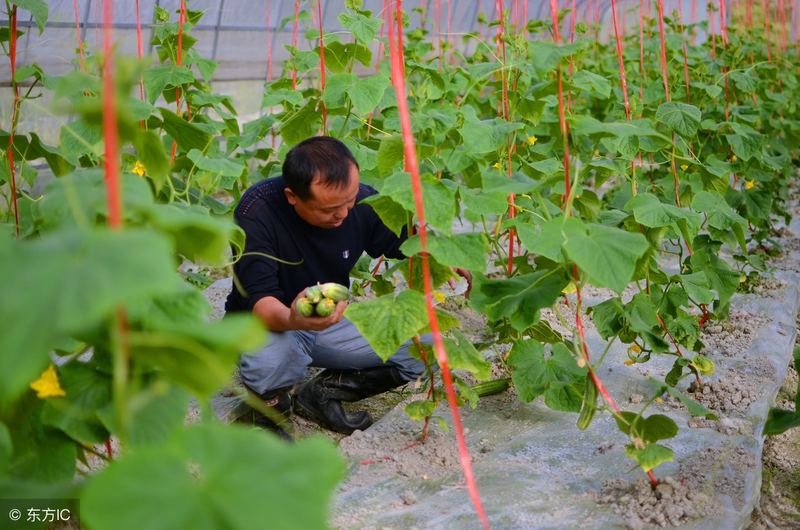
The cucumber is a better known and more common vegetable. They can be eaten rawly or cooked, their tastes are cleaner, and they have the effect of inflammation, guacamole, convulsion, skin cream, heat, gas, etc. Many people use cucumber juice for beauty and even planting cucumbers for economic gain. The area under cultivation is expanding, but there are still a number of practical problems that require particular attention in the actual production of cucumbers, which can be effectively improved in terms of both production and quality by effectively combating pests and pests, drainage and ventilation in the field, in strict accordance with specific planting procedures, planting and scientific field management. I've been growing cucumbers for many years, and i've accumulated some experience and technology to grow cucumbers, so let's see what the environmental conditions are。
I. Soil
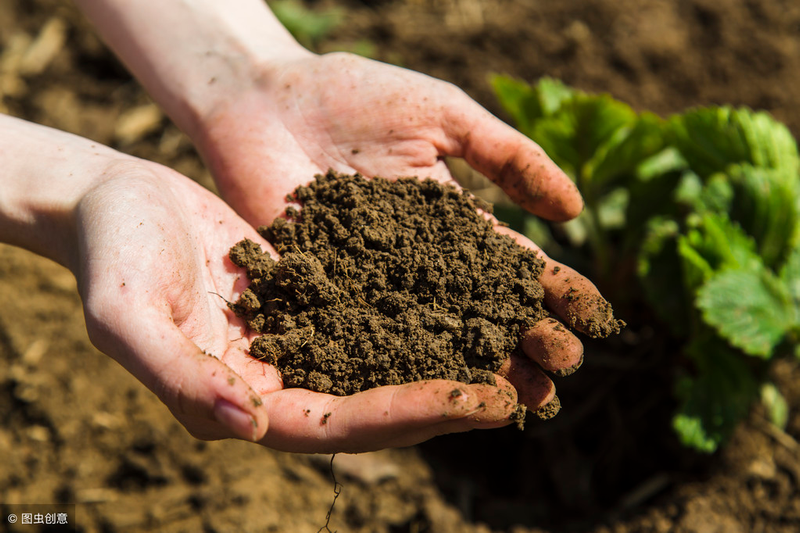
Soils require good photo-temperature properties, the choice of thick, soft, permeable soils for planting, the reuse of waste such as straw, the application of fertilizers into the soil, the avoidance of environmental pollution from combustion, and the resulting reduction of soil carbon stocks. Studies have shown that bioorganic fertilizers based on waste, such as straw, can promote cucumber growth, increase the resilience of cucumber plantations and reduce inorganic fertilizer use. The most appropriate range for cucumbers is around 6. 5 ph。
Ii. Valuation
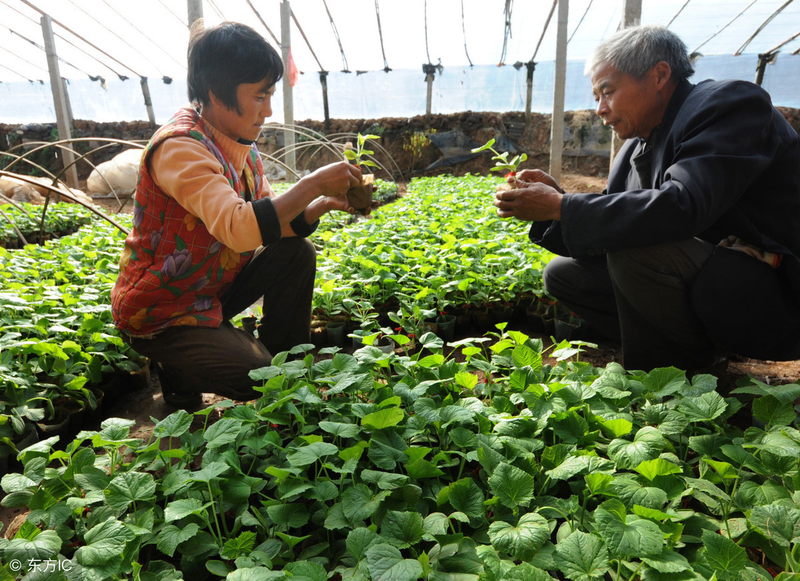
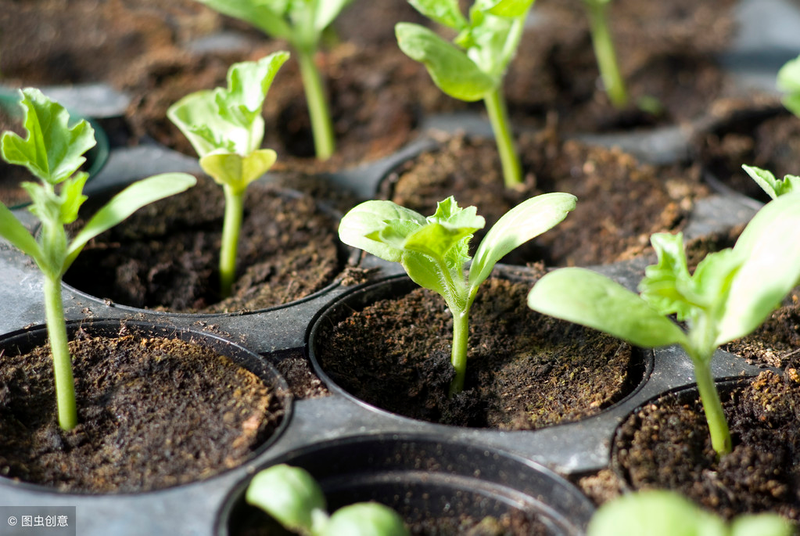
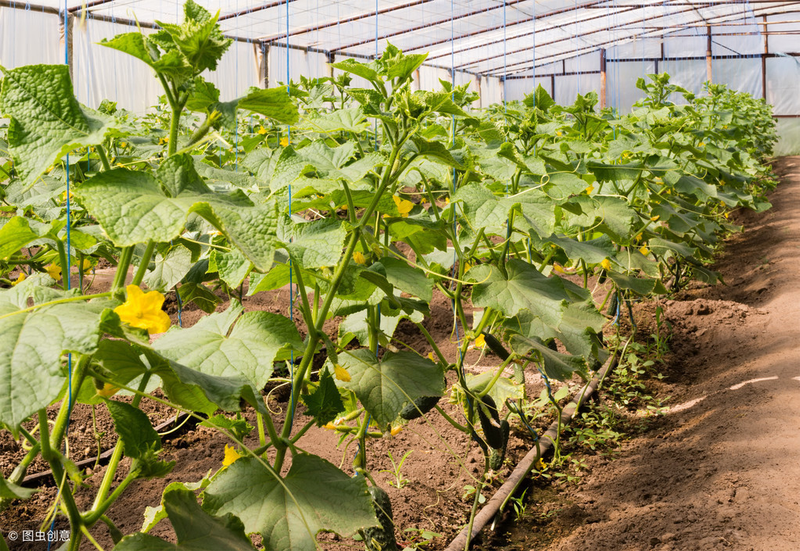
Plantation is an important component of cucumber seedling growth and cucumber production. Before planting, soil pine soil and fertilizers are prepared in advance. Cucumber planting can take place when soil temperature, softness and fertility meet the requirements for planting. When the temperature on the ground is gradually rising, 30 d of pine soil, fertilisation, etc. Can be applied at appropriate levels of manure and ammonium phosphate. When the soil temperature at the depth of 15 cm is kept at 12 °c and the soil is soft enough to plant it. At the time of planting, the distance of the seedlings was 60 cm and the distance of the strains was 33 cm and 667 m 2 m in 3,500 to 4,000. Once the planting has been completed, three membranes will be covered with the membranes, with grass covers around the shed。
Iii. Temperature
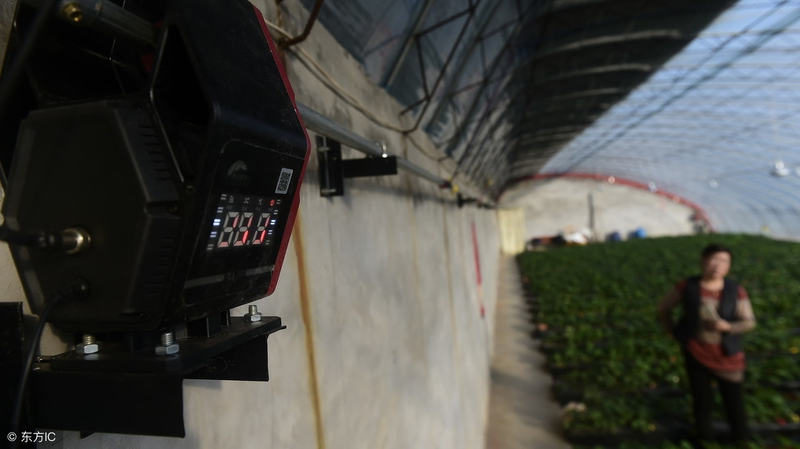
During cucumber breeding, constant attention is paid to changes in temperature within the shed, which is kept at 28 to 32°c, and which is too high or too low, which affects the growth of cucumber seedlings. Temperatures are generally high at noon and when temperatures exceed 35°c, timely cooling is required to ensure the growth of seedlings. The temperature of cucumbers during childbirth can be contained at 25-30°c during the day, and at night at 13-18°c, which is conducive to inhibiting the growth of plants and preventing the fall of flowers. The temperature is strictly controlled after the seeding, suitable for slightly less than 30 °c during the day and 1 to 18 °c at night. Before planting, 7 d night temperature will be controlled at 7-8°c for seedling。
Water
The cucumber roots are shallow, the absorptive capacity is weak, and the cucumber plant is evaporated rapidly, especially at high temperatures and with high light intensity, and the cucumber plant is particularly vulnerable to atrophy of leaves, which requires rapid assurance of soil water content and improved quality and production of cucumbers. The soil is required to have an absolute water content of about 20 per cent. The soil moisture is too much to influence the roots to breathe, or even suffocation to death. When saturated, the leaves evaporate very little, thus affecting the uptake of nutrients in the roots. If the water is overdone, it can easily lead to the decomposition of cucumber root and cause pests and diseases that affect the growth of cucumbers. Episode seed sprouts require sufficient moisture to facilitate the conversion of the material in the seed, which is conducive to rapid seeding, but not excessive moisture during seeding, so as to avoid saplings, seedlings, proper water supply, non-wetting, promotion of combinations in order to prevent the occurrence of cold roots, tremors and diseases. After the cucumber results, the plant does not need too much moisture, and if too much water is poured to lower the temperature on the ground, it can also induce pests and diseases. While the weather is normal, water is watered once a week and the interval between autumn and winter is slowly extended to half a month。
V. Fertilizer
The fertilizer frequently used in cucumbers consists mainly of cow dung, horse dung, chicken dung and more shredded straw. Through the use of decomposed rice shells or non-used edible fung culture, approximately 18 m2 is required, around 200 kg of calcium phosphate, around 100 kg of standard nitrogen fertilizer, or about 75 kg of ammonium phosphate, plus about 250 kg of cotton seed cake. The production of cucumbers in winter is likely to last up to four months, requiring sufficient fertilizer, but not too much per application. After the first pick, each 667 m2 of land applied ammonium nitrate around 25 kg, and at lower temperatures, each 667 m2 of land applied ammonium nitrate around 15 kg. In addition, the cucumbers should be followed up with the necessary fat to meet their nutritional needs, and in july, the soil was thrown deep into the soil, applying decomposed soil fertilizers and increasing soil fertility。
Upon completion of the deep roll, the high-quality composite fertilizer was applied evenly, and the ditch was then razed, the walkway was set between the two chutes, and a certain cold-proof ditch was set aside. Once the site is complete, fermented, decomposition soil fat is required. After planting, at the beginning of the siège and during the guacamole, the results of which are followed up with appropriate amounts of fertilizers, the application of water soluble composite fertilizers, the guarantee of a one-time recovery of fatting, particularly in protected areas, the severe salinization of the soil and its impact on the normal growth of cucumbers as a result of the growing of vegetables such as cucumbers over the years and the excessive application of fertilizers, the higher levels of salt are protected with the greatest possible increase in organic fertilizer, which not only supplies cucumber nutrients, but also improves the soil structure and promotes the growth of cucumbers. For every 5,000 kg of cucumber produced, approximately 14 kg of nitrogen, 4. 5 kg of phosphorus and 19. 5 kg of potassium are required, along with some trace elements。
Vi. Prevention of disease
For cucumbers, high-quality seeds with strong resistance to disease are usually selected to effectively control cucumber disease; pesticide spraying is used to combat the disease, which requires control of pesticide usage and overdose of the assembly to cause pollution while damaging the seedlings. Controlling the use of highly toxic pesticides, using a combination of biological, physical and agricultural approaches based on the principle of low use of pharmaceutical agents, and using low-toxic pesticides to ensure that vegetable cultivation is not harmful. For the control of white lice, yellowboard can be used to trap them into insects, and biological control can be used to introduce lice bees, to achieve control of white lice, to reduce the pollution of the environment by drugs and to save costs. Control of aphids can be done at an early stage with severe damage to the leaves while ensuring cucumber ventilation. If aphid pests are severe, pharmaceutical control is required. In recent years, cucumber plantations have become more and more serious in terms of target-spectrum disease. Targeted diseases, mainly due to fungi and bacterial mixing, are very difficult to combat. Moreover, there is some resistance to the disease, which is more difficult to control and must be combated with medication. For example, fine, green and so on, in general, it is possible to control the condition effectively about three times。
All right, that's it for today. I hope you grow lots of delicious, nice cucumbers



