


The cucumber-free cucumbers, commonly known as fruit cucumbers, cucumbers and mini-cucumbers, are of a nordic greenhouse ecological type and are suitable for greenhouse cultivation. This type of species is generally less resistant to cold temperatures, and therefore facilities and plant management techniques differ from those of common cucumbers in greenhouse production. In normal circumstances, the temperature required for its growth and development is above 2 °c above the normal species. Cultivation should be based on local climatic characteristics, facility performance, market demand and the characteristics of the selected species, and not be blindly planted to avoid loss。
1 temperature protection requirements for greenhouses
The winter night temperature requirement is 15°c or more, with a minimum of 12°c。
2. Varieties selection
Foreign varieties include: sariga (ha⁃454), daidostar, radit, winter light 22⁃36, kandeh, caster, mk160, mk161, etc. The country's diversity is 2186, kyouta 2, kyouta 4, green show 1, jinmi 3, china, 15 and china, 19. Cultivation should be based on the choice of suitable varieties according to different market needs and access。
3 nurseries
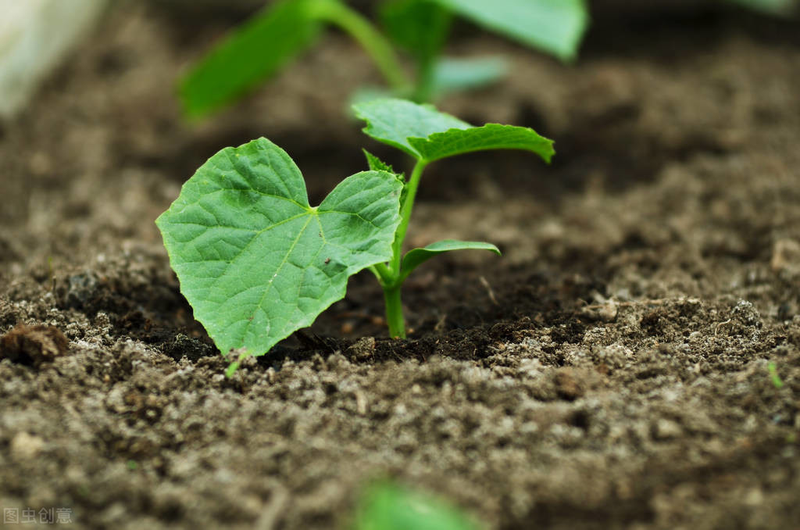
(i) cultivation in winter runs from mid-september to mid-october and from late december to mid-january. (2) seed treatment and seeding, most of the good seeds commonly used in current production are wrapping seeds, which can be planted directly from dry seeds without seed treatment. (c) cultivation and management inheritance is optional either by attachment or plugging. Upon marriage, the seedlings are moved into the small archer and the shade is kept wet. On the first three days, the relative humidity of the air was maintained at around 90 per cent, and the temperature remained at 28°c ~ 30°c during the day and 18°c at night ~ 20°c. After three days, the relative humidity of the air remained at around 80 per cent, at 25°c during the day ~ 28°c, at 15°c at night ~ 18°c. No ventilation within three days of the marriage and gradual ventilation when the strong light of the seedling does not abate, then goes to the normal management phase. It's over in 10 days. When the cucumber grows to three to four real leaves, it can be planted. Pre-plant cryogenic seedlings。
4 plantation
When the seedlings are three-leaved, they begin planting in their 35-day age. For the first half of the month, organic fat for every 667 m2 was fully decomposed, ranging from 8 to 10 m3, with 5 m or more of decomposed chicken dung and 60 kg of high-quality compound fat. It's 140 centimetres wide, 95 centimetres wide, 110 centimetres wide, 25-30 centimetres wide and 25 centimetres tall. The sides must be flat and the sides must be flat. It's 15 centimetres wide and 8 ~ 10 centimetres deep in a back triangle. The plant and gutter are set at a low north and south, with a difference of 10 centimetres. 2 lines per plant, 30 to 35 centimeters. The depth of seedlings during planting cannot be higher than the marriage interface。
5 temperature management
After planting, the temperature of the shed should be increased as much as possible to promote the growth of new roots for the benefit of slow seedlings. When external temperature drops to 14 °c – 16 °c – grazes are added. The temperature in the shed is 28°c ~ 32°c during the day and above, the temperature in the shed is no more than 35°c during the day and the temperature in the shed is no more than 35°c without ventilation within one week after the winter cucumber has been planted; the temperature in the day is 25°c after the cold seedlings ~ 28°c, the temperature in the evening is 15°c ~ 20°c, the temperature in excess of 30°c begins ventilation and around 24°c begins to be closed; the temperature in the shed is 23°c ~ 25°c at night and 15°c ~ 18°c at night during the winter season; after entering the spring, the temperature in the day is 28°c ~ 30°c, the temperature in the evening is 18°c ~ 21°c。
6 fertilizer water management
The little cucumbers are characterized by shallow roots, water fattening, early, continuous cumbering, and productive. Water should be poured and cultivated in a timely manner to promote root growth. Since most of them are female systems, with their earlier and larger sizes, they do not easily form seedlings, the management of water fertilizers should be managed in such a way as to avoid heavy flooding, so that they may be watered and promoted. (c) properly control water and fertilizers after the cold season to improve the temperature. The water interval can be extended appropriately to 10 to 12 days and once every 4 to 5 days after the spring temperature rises. After the harvest period, water was distributed with a compound fertilizer of 20-30 kg or 20 kg of urea per 667 m2. During the guacamole period, 0. 3 per cent of the potassium phosphate solution was sprayed on the leaves and followed by fertilizer with water for 8-10 days。
7. Light management
In order for cucumber plants to become fully visible, it is necessary to have a proper early morning and evening. In order to enhance the light inside the shed, the rear wall can be retrofitted with a plating of aluminium polyester, and the dust, grasscrums, etc., will be cleaned up in a timely manner after a weak light period. When the temperature in the shed is not reduced in general rain and snow, the light is lifted in short periods; if the temperature in the shed is not reduced in consecutive days, the grass is still lifted, and there is short ventilation at noon; when the snow is heavy, the grass is covered and then a snow-resistant film is covered outside the grass, and the snow is cut off and the grass is removed. But when the weather suddenly clears in the middle of the day or after the snow, the flowers should be exposed and the grass must not be removed in full so that the plant does not suffer from acute atrophy or even death. Remedial measures may be implemented in a period of continuous snow。
8 plant adjustment
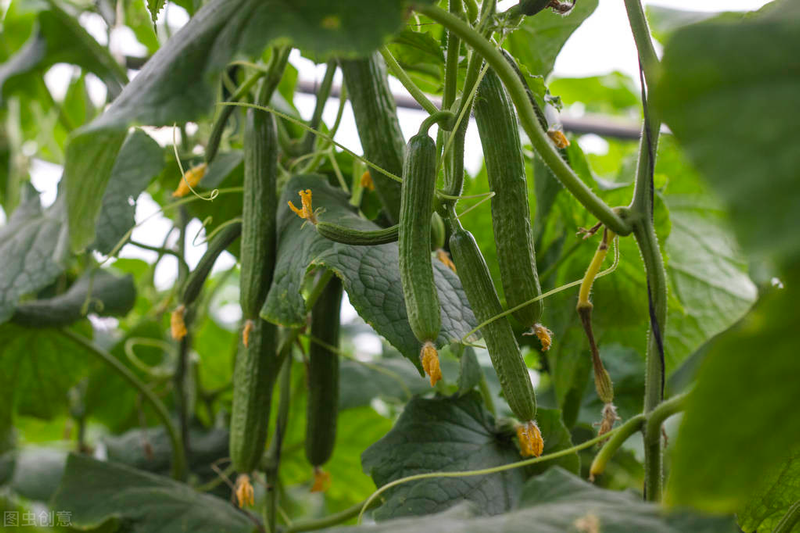
When the cucumber seed is around seven leaves, the chicken is timely, the side branch is removed, the curl is removed, and the side branch of the cucumber is timely removed. Females who are overflowered or have a bouquet on their tops must be removed from part of the female, and separated female and larvae must be removed in time, leaving between one and two melons per section. In the middle of the pickle, the chicken falls in time and leaves 15 to 16 green leaves in each. When the chicken falls, the swabs and fertilized melons are removed and some female flowers are removed. Small cucumbers grow for long periods of time, grow without heart, and when the heart breaks are missing, one or two side branches can be selected from the bottom. Care is taken in management for the timely removal of old, yellow and sick leaves。
9 collection
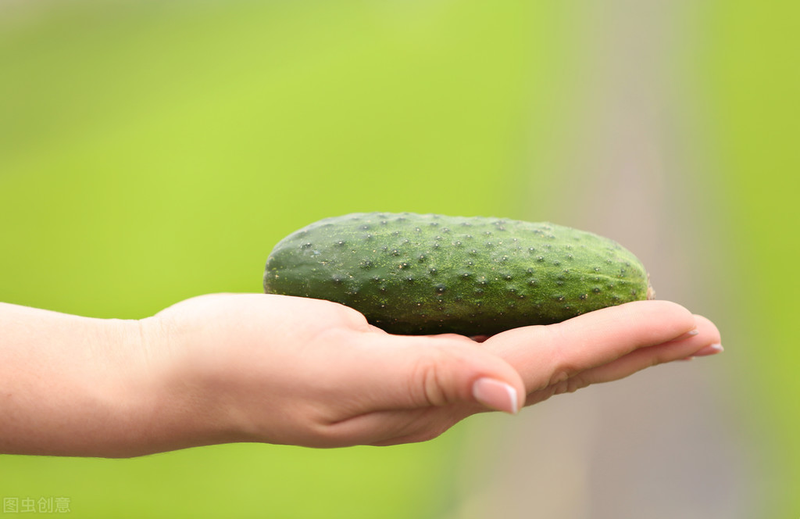
A normal growing plant can be harvested for 10 to 15 centimetres and 2. 5 centimetres across, 6 to 10 days after its opening. Cut the handles with scissors at the time of harvest, take them lightly and sort them out. The head spasms in the base of the melons must be removed early and clean at the appropriate time in order to prevent them from falling at the end of the day, to consume nutrients and to affect the upper melons. The early harvest of cucumbers should occur early in autumn and winter, with appropriate late harvests when strong and light harvests when temperatures are reduced and can be delayed. The cucumbers should be harvested early in the winter due to the low temperatures and short daylight periods during the growing season and should be fertilized appropriately。
10 prevention of pests and physiological diseases
The diseases of cucumbers include, inter alia, frost, ash, powder, bacterial horn spots, brown spots, atrophy, etc. Insects such as leaf flies, aphids, aphids, leaf mites, white powder lice, etc. Physiological diseases include flower-tops, deformations, heat disorders, hypothermia and calcium and boron shortages。



