


011. Joewood cultivation
In the design of the garden, the cultivation of wood is essential, not only for designers to have a good sense of space to build the skeletons of the entire site, but also for flexibility in the application of different planting techniques in response to specific needs. These techniques include v fonts, reverse v fonts, w fonts, m fonts, c fonts and five-cakes, each having its own aesthetic effects. At the same time, for selected seedlings, isolated, symmetrical or array farming can be used to highlight their characteristics and beauty。
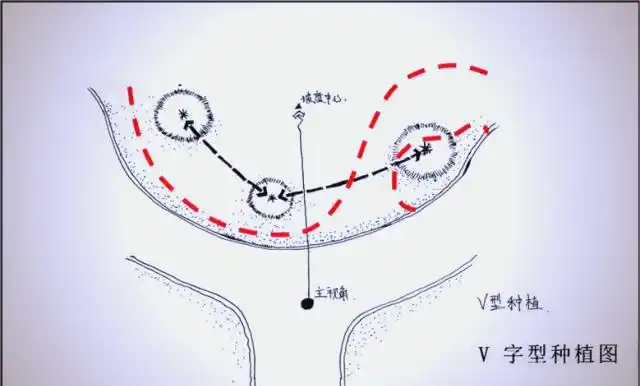
When locating the wood, certain techniques are followed. First, the first piece of wood on the main angle is selected, then the second at the near end of the main angle is determined and the third at the far end. In determining the angle, appropriate adjustments should be made to the slope type to avoid the formation of a straight or equal angle. In front of the main perspective, it would be useful to select a chubby plant to create a rich sense of hierarchy. At the same time, a reasonable layout may be made by reference to the loglines indicated by the red dotted line. Next, we will learn more intuitively about the positioning techniques of wood cultivation through the c-type planting map。
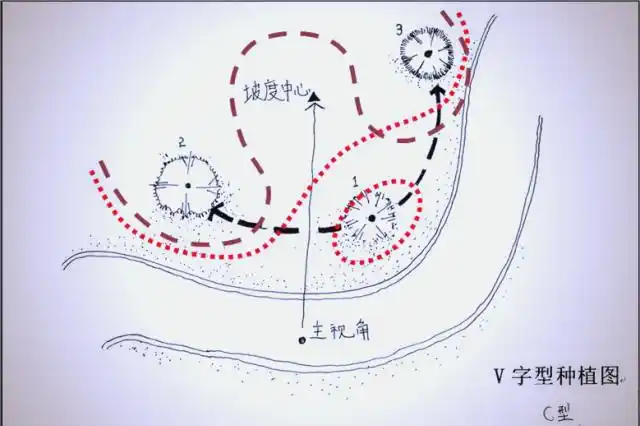
Positioning techniques: select the first wood on the main angle, with the top point of the slope as its centre. Then, a radius of the distance from the centre to the wood draws a circle that is essentially parallel to the arc of the terrain. In this arc, we can select the right location for the second and third wood (the red dotted line is a reference line). In this way, we can understand in a more intuitive way how to locate the wood plantations. Now, let's take a look at the example of a single skeleton mixed with two joes。
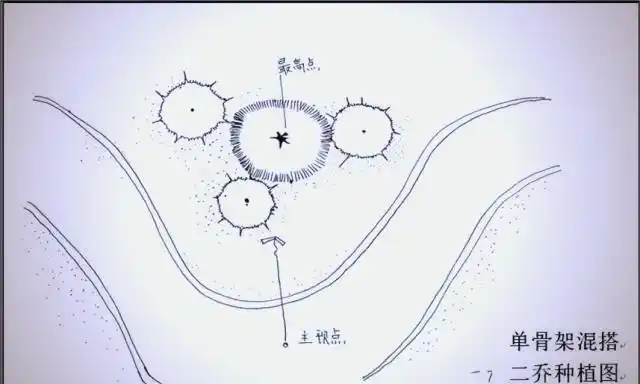
Positioning techniques: planting a single bone frame with a significant amount of wood at the height of the slope, with its outer edges finely fitted with two joes with a v or c font. This combination not only makes the antenna full of visual weight, but also makes it more effective to reduce the number of big joe trees than simple v-c fonts, thereby reducing overall prices and more consistent with the current design concept, which is based on small and medium-sized wood. However, this pattern of cultivation is somewhat lower in volume, strength and age than in group v and c。
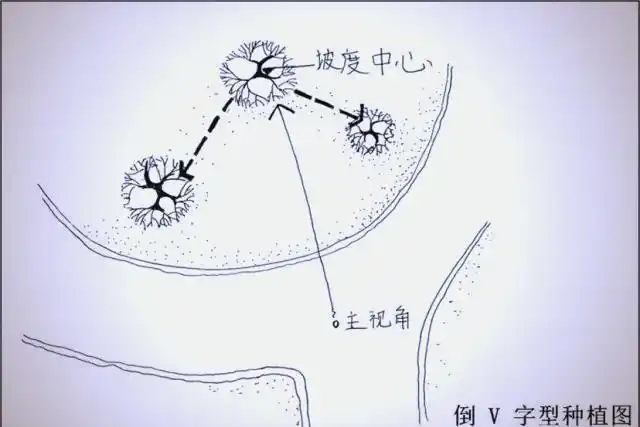
And then we're going to look at a special kind of planting -- the reverse v type。
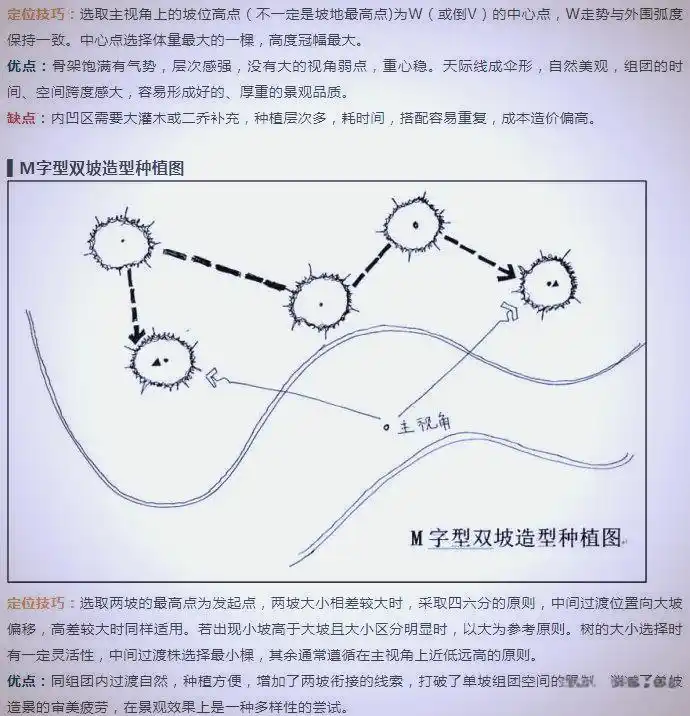
More information on the practical application of single-slop m cultivation was provided through specific cases。
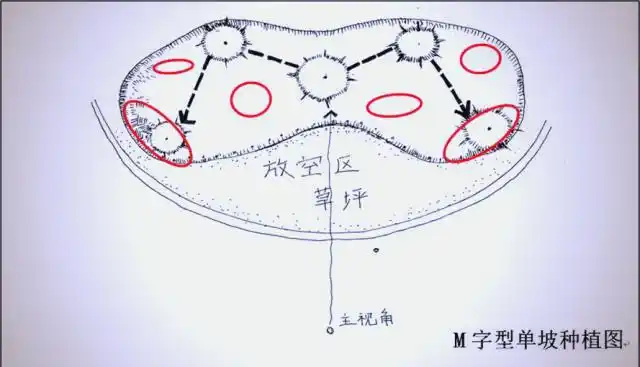
Element of bush cultivation
Through specific cases, we can gain a clearer idea of how to put into practice the main points of these bush cultivations. Next, through a practical case study, we will explore in depth the main points and techniques of bush cultivation。
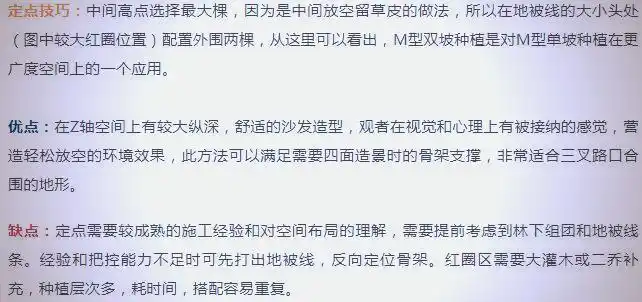
Case presentation
It is essential to follow certain points when planting bushes. Through concrete case examples, we can learn more about how to put these points into practice. Next, through a practical case study, we will explore in depth the main points and techniques of bush cultivation。
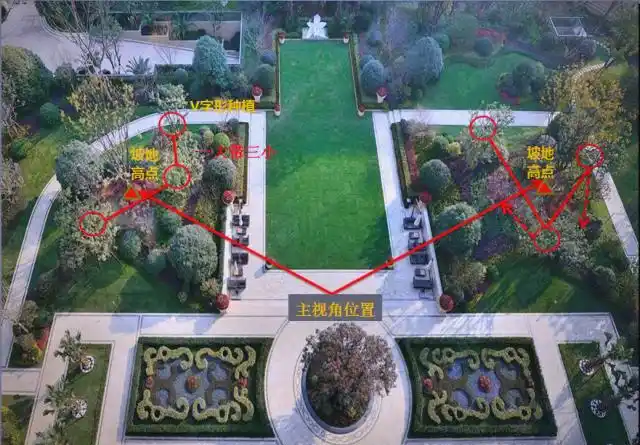
Error case profile
Problems can be encountered in planting bushes, including inappropriate operations and inappropriate environments. By analysing these cases of error, we can learn lessons and avoid repeating the same pattern in the planting process. Next, we will explore, through a specific case of error, possible problems and solutions to bush cultivation。
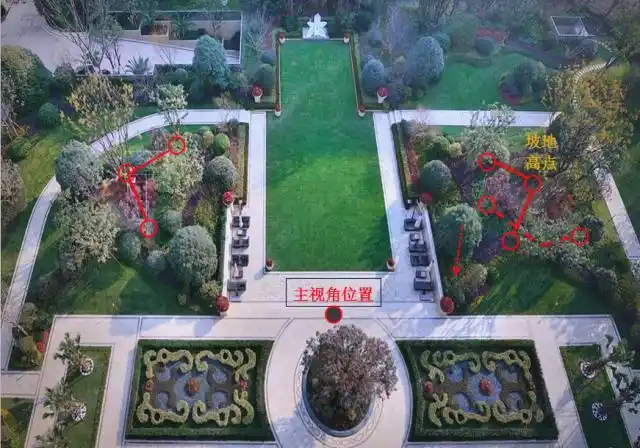
Space greening configuration
The greening of space is a vital link in the cultivation of the bush. A reasonable spatial configuration is not only about the growth of plants, but also about the beauty of the environment as a whole. We therefore need to explore in depth the methods and techniques of greening the configuration of space in order to ensure that the bush can grow healthy, while creating an attractive green space for people。
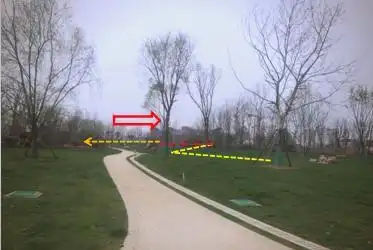
In a space greening configuration, clever selection of certain nodes and the separate application of very high-visibility plants can effectively break the grips of clusters and frameworks and bring about a new visual experience. However, in order to ensure consistency and beauty of overall results, the separation between groups and orphanhood should be clearer and clearer. At the same time, we also need to consider the relationship between the location of isolated or scattered trees and large groups, and to further optimize the greening of space through a rational layout and matching。
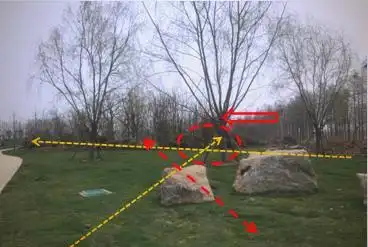
Topographic design and greening
The diversity and natural beauty of green groups can be further enhanced through topographic design。
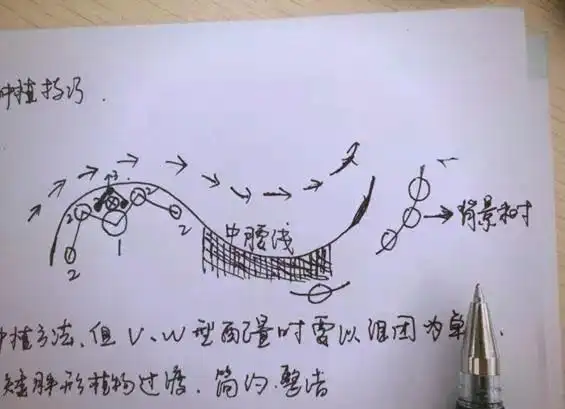
In space greening configurations, the diversity of shapes, sizes, heights and sizes should emerge among different groups to highlight their respective characteristics and priorities. At the same time, the combination of terrain design and the application of the principle of “continuation-oriented”, such as the configuration of “extreme and high-terrestrial groups”, can give a more vivid sense of mountain rises and swings。
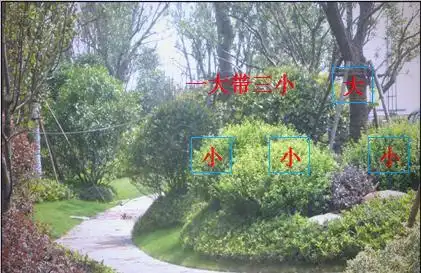
Land-growing techniques
Also in the overall planning, plant-planting techniques should not be overlooked. Through careful selection and placement, plants not only beautify the environment, but also respond to elements such as parks, groups, etc. To create a harmonious and hierarchical landscape。
Common arc design
In the whole or non-disconnected terrain, the commonly used plant arcs include 8 characters, half 8, c, butterfly and plume. Most of these arc lines are suitable for medium- and large-scale terrain and can be crafted to create unique landscape effects。
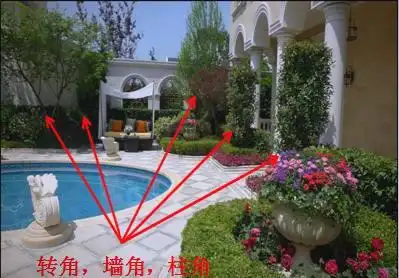
055. Colour mass design
The plattering of colours is a clever technique that creates a rich and colourful vision through a combination of different colours. Not only does it beautify the environment, but more spatially it adds dynamism and inspiration, and it is a rare design element。
Design techniques and principles
Special attention is given to colour matching and interface processing techniques in the design of the varnish。
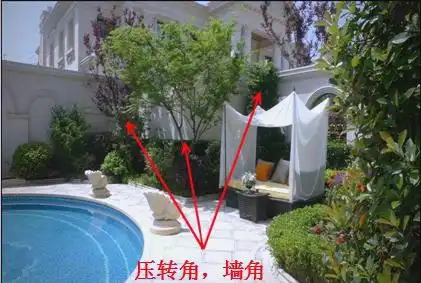
Special attention needs to be paid to the processing of interfaces between tectonic blocks in the tectonic block design to avoid the formation of sharp angles, and to the choice of sharp angles or parallel interfaces to ensure smooth and harmonious design。
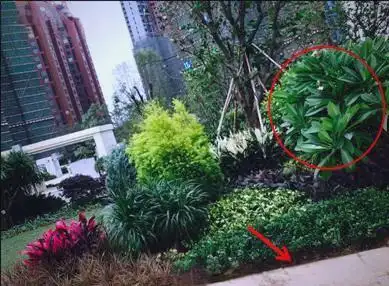
666. Grass and bridges
The fluidity of the transition and the choice of the appropriate interface are to be emphasized in the design of the grass and the interface。
Connect design elements
The treatment of corsets is equally important in the varnish design. In order to avoid a rigid angle, the design should give preference to sharp angles or parallel connections to keep the overall design fluid and coordinated。
Transitional design of lawn and floor
When considering the interface between the lawn and the floor, it is equally necessary to focus on the fluidity of the design. In order to ensure that the transition is natural and does not produce a bumping angle, designers should carefully select the interface approach, such as the use of sharp angles or parallel transitions, so as to maintain harmony and beauty in the overall design。



