


Importance of the 01 oil tea tree
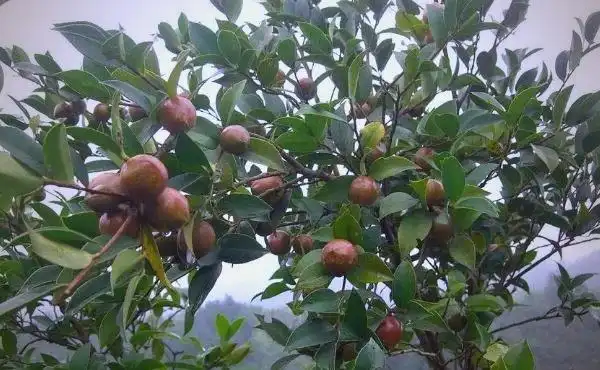
The oil tea tree, a high-economic plant, is highly visible by virtue of the quality tea oil that its seeds can extract. Tea oils, rich in unsaturated fatty acids, vitamin e and numerous antioxidation components, are recognized as natural oils of great benefit to human health. Its excellent health performance has led to its growing position in the global market as “oriental olive oil”. At the same time, oil and tea trees play a vital role in the conservation of ecosystems, such as wind and sand protection and soil conservation. Therefore, an in-depth understanding and mastery of the techniques and scientific management of oil and tea plantations is essential not only for raising the economic incomes of farmers, but also for protecting the ecological environment。
621. Cultivation and growth conditions
Climate conditions
The oil and tea tree prefers a warm and wet climate with the most appropriate annual average temperature range of 16-20°c. Although it is somewhat cold-resistant, the development of buds and fruits may be affected by extreme temperatures. Therefore, in colder winter areas, appropriate anti-frozen measures must be taken to ensure their normal growth. In addition, the growth of oil and tea trees is closely related to precipitation, usually in an area where annual precipitation is between 1000 and 1800 mm, and where growth is most desirable。
Soil selection
The oil and tea tree does not have stringent soil requirements, but it is most suitable to grow in an environment that is acidic, well drained and sandy or adhesive. Soil ph should be maintained in the range 4. 5 to 6. 5. At the same time, the fertility of the soil has a significant impact on the production of oil and tea trees, and fertile and organically rich soils can increase production and improve the quality of tea and oil。
Technology for the cultivation of oily tea trees
Feeding
In a suitable soil environment, attention is next to the seed chain of the oiled tea tree. This step is essential for subsequent growth and production. The breeding of oil and tea trees takes place mainly in the form of seed breeding and grafting. In the field of seed reproduction, priority should be given to the selection of strong and full-grown seeds and to low-temperature treatment before planting in order to break the sleep of the seeds and stimulate their growth potential. The best time to sow is usually in the spring, but the timing is determined by local climatic conditions. Inheritance, on the other hand, focuses on the selection of high-quality logs and beaks, which are designed to allow trees to grow rapidly within a short period of time and to effectively retain good variety characteristics。
Plantation density
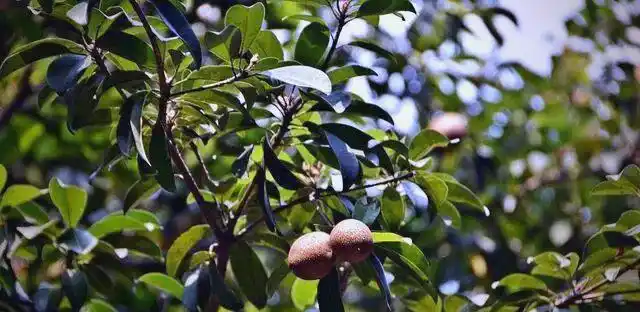
Cultivation density of oil and tea trees is a key factor influencing production. In flat and fertile soil areas, planting density can be reduced modestly, with approximately 40-50 plants per acre; however, in mountains or slopes, cultivation density should be increased appropriately to 80-100 plants per acre to ensure sufficient light and growth space for each tree。
Zhang
The planting of oil and tea seedlings should take place in the early spring or late autumn to avoid high summer temperatures and low winter temperatures. During planting, it is important to ensure that the roots of seedlings are sufficiently stretched and that the roots are compacted with the soil in order to promote close integration between the seedlings and the soil. Once the planting is completed, sufficient moisture is required to ensure that the seedlings are able to function successfully。
Management of oiled tea trees
Fertilizing
There is a high demand for nutrients in the growing of oil tea trees, especially during their flowering and fruit development. Fertilizers are required two to three times a year, in spring, summer and autumn. In the spring, nitrogen fertilizer is used primarily to stimulate the rapid growth of branches; in the summer and autumn, the input of potassium phosphorus fertilizer should be increased in order to enhance the resistance of trees and to improve the yield and quality of fruit. At the same time, rational use of organic fertilizers can further optimize soil structures and enhance the adaptive capacity of oil and tea trees to the environment。
Water management
The growth of oil and tea trees is inseparable from water. During cultivation, adequate and stable water supplies must be ensured to meet their growth needs. Especially during periods of strong growth, such as spring and summer, there is a greater need to pay close attention to soil moisture and to avoid over-drying or water accumulation to sustain healthy growth of oil and tea trees. At the same time, sound irrigation systems can promote the separation of buds, thereby improving the yield and quality of fruit. Under arid conditions, especially during the critical stages of their flowering and fruit growth, the provision of adequate irrigation will significantly improve the quality of production and fruit. On the other hand, during the rainy season, attention must be paid to drainage in order to prevent the root causes of disease caused by water accumulation. Through rational water management, we can ensure high production and quality of tea oil。
Cut
Cutting of oiled tea trees is essential for adjusting their shape and increasing yields. Usually, the trim will take place before the winter or spring buds. In the process of trimping, emphasis should be placed on removing excessively dense branches, pathological branches and weak branches to ensure that the canopy is well ventilated and luminous。
Pest control
Oil and tea trees may be exposed to a variety of pests and diseases during their growth, including, most commonly, oil and anthrax, tea seeds and tea sprouts. Effective prevention and treatment measures are needed to ensure healthy growth and high productivity of oil and tea trees. We should be guided by the principle of “preventive, integrated prevention” and strengthen the resilience of tree bodies through rational rotation, timely removal of sick leaves and scientific fertilization. At the same time, we should also use biological or chemical pesticides for timely control at high levels of disease and pests。
054. Harvesting and processing of fruit
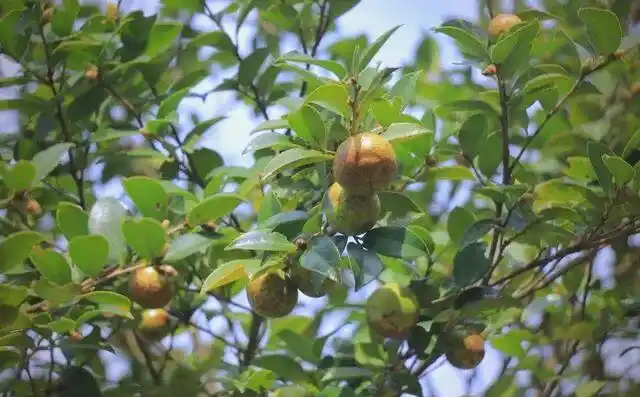
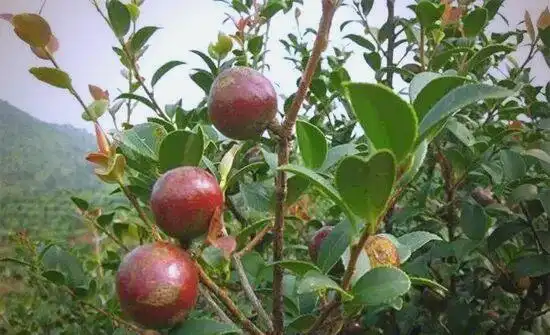
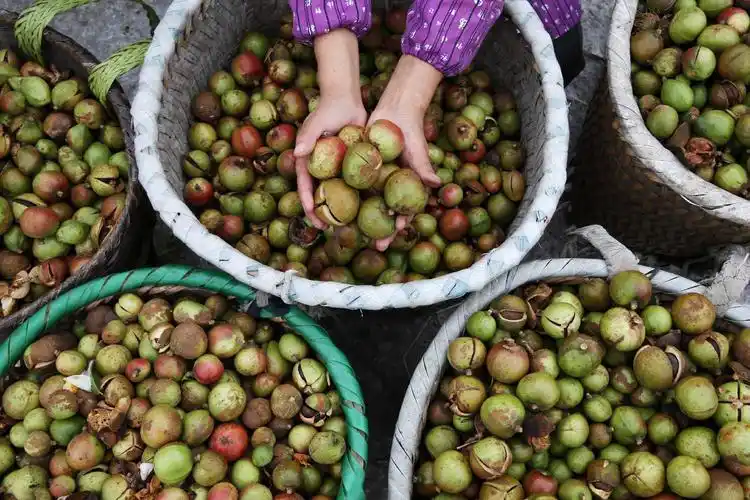
The ripeness of the oily tea fruit is marked by the gradual transformation of the colour of the fruit skin from green to dark brown or black, and by the sound of the seed in the fruit when it shakes. Each fall, when the fruits reach this maturity, they are harvested. The harvested fruit is initially dryed in the shade and seeds are then extracted mechanically or manually from the fruit。
Strategies to improve economic efficiency
To further improve the economic benefits of oil tea, a series of modern management and processing measures could be introduced. For example, the introduction of high-quality varieties and the application of precision agricultural techniques have been effective in increasing production per unit area. At the tea and oil processing stage, the application of cold-squeeze technologies maximizes the retention of nutrients, thereby increasing product value added. In addition, the development of by-products of tea oil, such as the use of forage for oil cakes, could be explored to maximize the combined benefits of the oil and tea industry。
Conclusion
The scientific nature of the planting and management of oil and tea trees as a good species with both economic and ecological benefits is crucial. Through continuous learning, flexible application of planting techniques, rational field management and a combination of modern processing processes, the oil and tea industry is bound to lead to broader development prospects。



