



It's 90 originals of the farmer wood
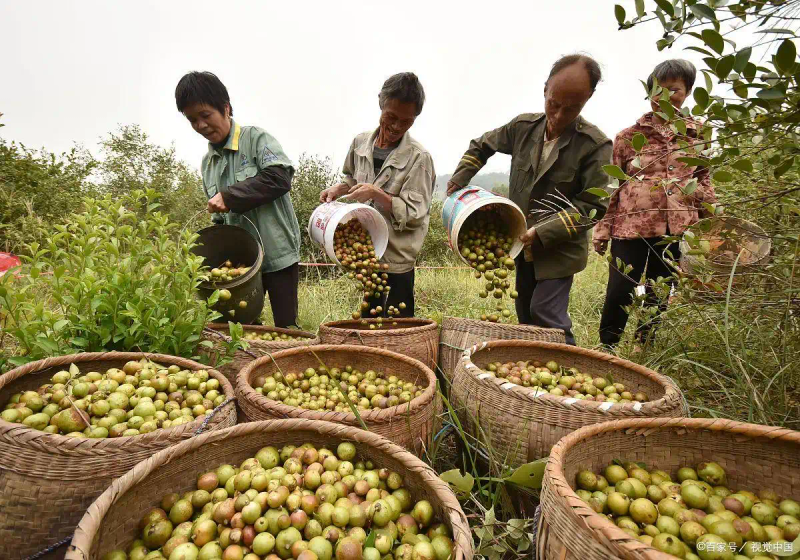
Oil tea, which is used as a multi-year woody oily plant, can be collected for decades, and can't be properly managed in the form of light trees. In conjunction with central i document 2026, “enlarge the production space for oilseeds, peanuts, oil tea, etc., and diversify the supply of oil”. The production of oil and tea provides an additional source of income, as well as support for the family's mountains。
Today i'm going to tell you the three main points of "crop, pipe, guard" that are at the core of oil and tea cultivation, whether you're a newcomer or an old farmer who has been growing for several years。
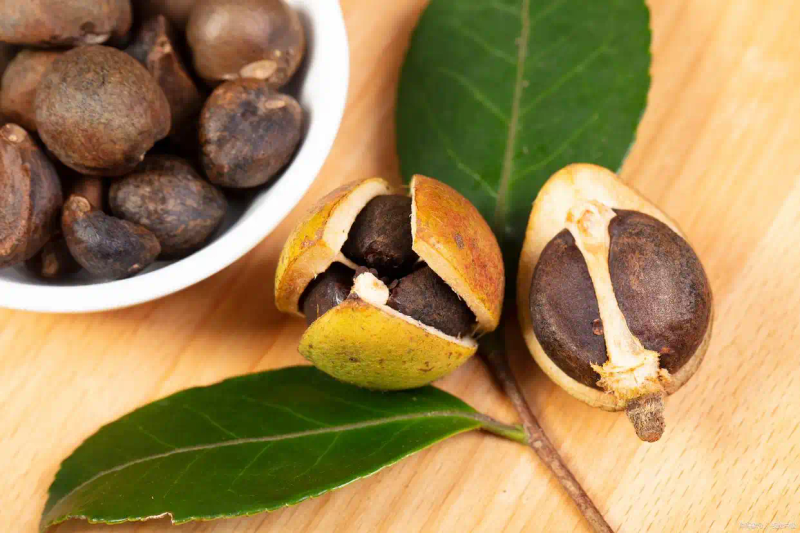
I. Elements of puting: enhancing the ground, testing the responsibilities, testing the responsibility based at a time
1. Land selection: deep ground on the slopes of the sun is the key, with large dens of base fat
The choice of land for sun slopes and the sun for oil tea to grow and grow much stronger is key to high productivity; the roots of oil tea can grow deep and flourish only if the soil above one metre is lax and fertile. In the field as a whole, it is necessary to dig large holes, to be 50 x 50 centimetres, not to decomposition, but to apply base weights, evenly fertilized organic and phosphorous fertilizers, and fill them in. This is a good step to help follow-up tea seedlings take root。
2. Scientific planting: rational and well-established planting
The density is not too dense, otherwise the trees grow up with poor ventilation and are vulnerable to disease. It is usually grown at a distance of 2. 5 m x 3 m, with an acre area of approximately 110, which is the most appropriate density to make full use of the land and to ensure that each tree is tanned and ventilated. When planting a seed, remember the old man, "twice and step on a seedling" and spread the roots of the oil and tea seedlings away from each other. There is also a key detail. The marriage interface must be exposed to the ground, not buried too deep, and buried too deep to corrupt the interface to affect tree growth。
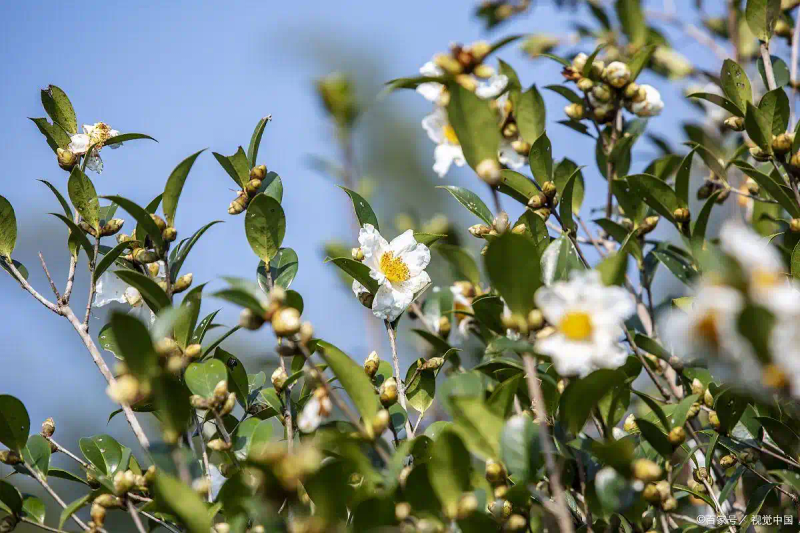
Precision fertilisation: remembering the six words “spring, summer and autumn”
One of the characteristics of oil tea is that it blooms at the same time and consumes a particularly high level of nutrients, so it is important to be precise in the application of fertilizers, and to remember the words “spring, summer and autumn” is enough. In the spring, we put on some nitrogen fattening, helping the trees grow branches, and the leaves thrive; in the summer, the focus is on phosphorus fattening, mainly to keep the fruit from growing; and in the autumn we apply decomposed organic fats that help the trees accumulate nutrients and survive the winter safely, laying the groundwork for more than one year。
4. Decoration: cut to produce more results
The timing of the cut is the most appropriate before the fruit can be harvested, so let's not cut it, it can't grow a good tree, it can't get air, and the result is naturally less. When they are trimmed, they cut out the dead branches, the sick branches, the entangled branches, the long branches that grow in disarray, and make the trees a “happy” shape or a “natural round head”, so that the sun reaches the heart of the trees, and every branch tans the sun, in order to produce more results and produce better results。
Ii. Pest and pest control: early detection, early detection and prevention
With regard to the pest control of oil and tea, the core is one sentence: early detection, early detection, and other diseases and pests, which will be costly and costly, and will affect the harvest. The focus will be on three main areas: anthrax, molluscs, oil and tea elephants. With integrated treatment, our oil and tea forests grow healthy and productive every year。
1. Anthrax: high temperature, high humidity and prone to outbreaks, clean-up + both sprays down
Anthrax mostly erupted in july-september, during which time it was hot and humid and most susceptible to disease. The key to prevention is winter clean-up, cutting down the branches and fruits, picking them clean, burning them together and reducing the bacteria from the roots; if the disease is found in the field, without delay, the multibacterium or methamine is sprayed in a timely manner, and every 10 days, two or three times in a row, it can be effectively controlled and the disease prevented from spreading。
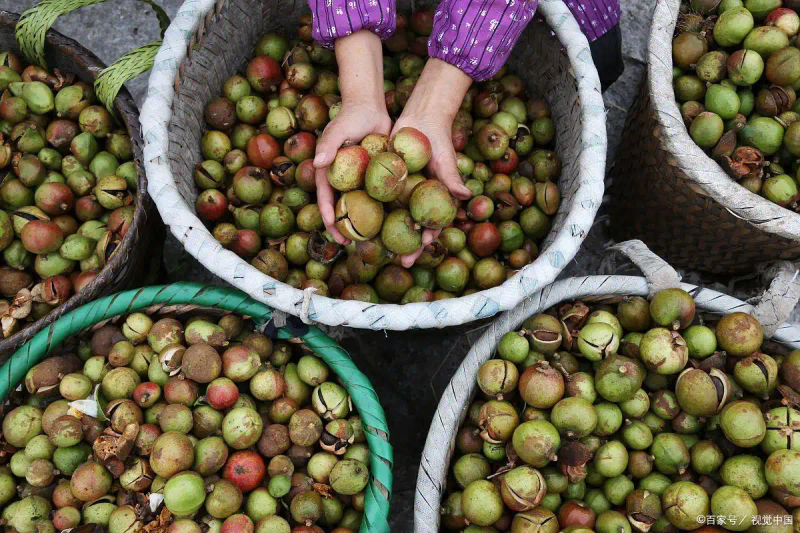
2. Soft decomposition: the rainfall is high and drainage + protection is key
Soft decomposition occurs mainly in the months of april and june, during which time it is characterized by heavy rainfall and humidity and is particularly prone to morbidity. The focus of prevention is to improve ventilation in forests, to remove weeds in time, to purge drains, not to accumulate water in forests, and to reduce the amount of moisture in the forest. In the event of an outbreak, bordeaux or polybacterials are sprayed, with a focus on leaf blades, to prevent further spread of the disease。
3. Oil, tea and ale: priority protection against spawning insects, physical + chemical combination
The oiled tea and beetles were used mainly in may-june when the insects laid their eggs, and the control could take two steps, combining physical and chemical control. Physical control is the use of adult insects to fake death by shaking their trunks in the morning and falling into their trunks; chemical control is directed at newly excavated adult insects, bromocythylene or dichlorvos, with precision, to reduce pest damage to oil tea。
Finally, let me remind you that when pesticides are sprayed, different kinds of drugs must be rotated and not always the same. Otherwise, pests and pests will be resistant and the spray won't work. In fact, oil and tea cultivation is easy, so long as we hold on to the three core lines of “plant, pipe, and guard” and stick to “preventive, comprehensive” treatment, it will make it productive for decades, and it will actually increase the incomes of our growers。



