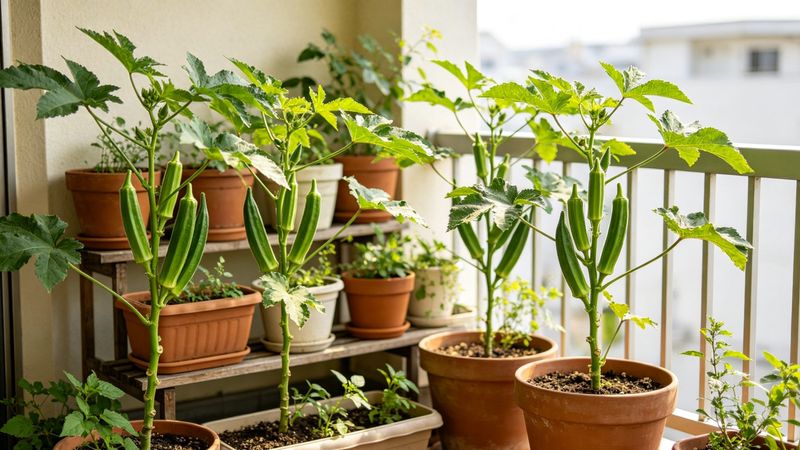
Gold and silver blossoms are the shrubs of long-lived, semi-green entanglements and shrubs for winter and are known as the names of winter, silver and silver vines, second colour flowers, veal and right transvestites. Gold and silver can climb the edges, fences, walls. The fragrance of the flowers, especially the four seasons of gold and silver, from spring to autumn, is staggered and staggered. If planted in the garden, they can be adorned and smelled, and the summer and summer is a cooler shade under a gold and silver shelf. Gold and silver flowers are warm and wet, adaptable, cold, drought-resistant, flood-resistant and less demanding for soil, but are best grown with wet, fertile, deep sandy borders, with spring and summer hairs rising twice a year. The roots are rich, sturdy, and the roots are grown on the ground. Sunshine and warm, wet environments are strong, adaptable, cold, drought-resistant, in the shades and poorly grown。
1. The methods of reproduction, which involve the reproduction of gold and silver flowers, are interpolation, seed breeding, roots breeding and corrosive reproduction。
Plug-in methods: four seasons of the year can be inserted, and before the spring gust, until mid-october, the pip-plugs are suitable for selecting a healthy branch for 1-2 years, with a minimum of three centimetres each, removing the next leaf, leaving the next two to four leaves, cutting down the lower edges into a smooth slope, placing a small bundle of every 50, impregnating in the root agent solution, and poaching immediately after drying。
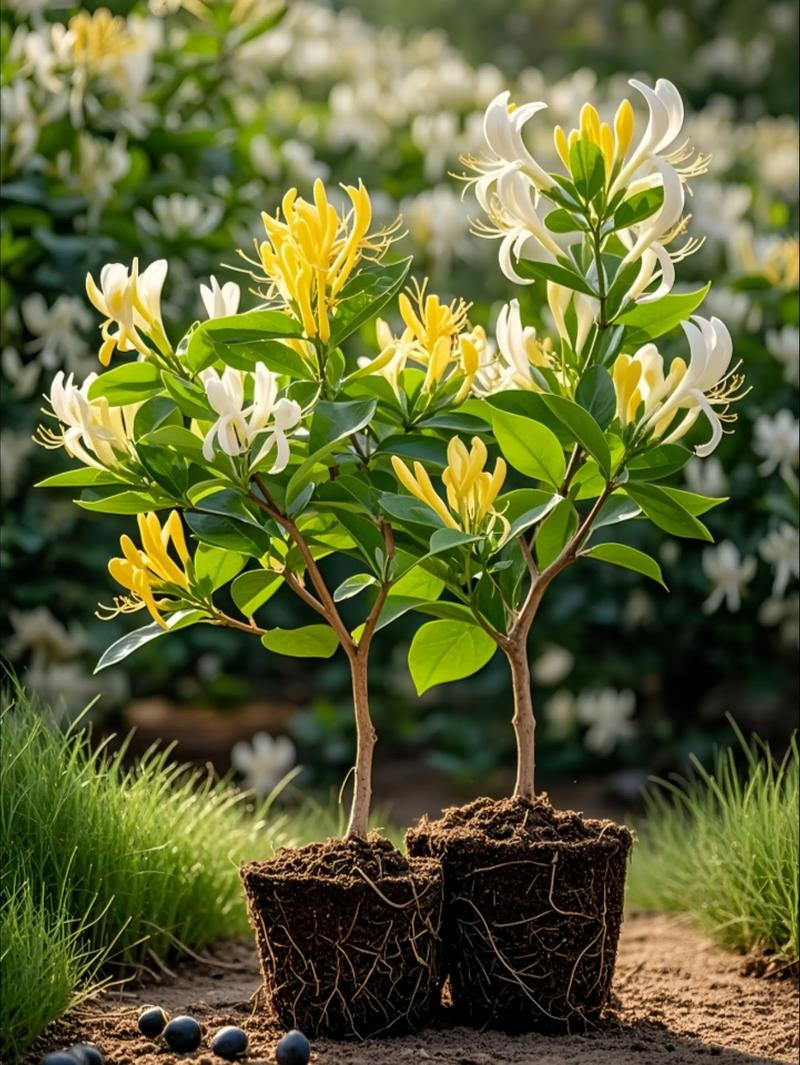
(b) directly poached, with a distance of 1. 5 m or 1. 1 m by row and a distance of 1. 5 m or 1. 7 m to dig the den, each with a diameter of 40 cm and a depth of the den, and a pine ground, each of which is applied to the fattening of the consumable farmers. Inserts three to five plugs per cave. One-half to two-thirds of the holes in the ground, and the foot-stamping of the ground, once-in-a-kind water and soil humidity, will give rise to roots within a month or so。
The luminous seedlings are placed in the nursery bed, lined at a distance of 15 to 20 centimetres, with a little wooden stick per 3-5 cent centimeter to tap the face of the lumber. It then inserts one half to two thirds of the slash into the hole, presses the pressure and water once. The spring plugs were planted during the winter or spring of the second year. Summer incubation moves in the spring of next year。
Seed breeding methods: before and after the fall of the frost, when the berries of gold and silver become dark, the mature berries collected are collected in the water, full of seeds deposited into the water floor are extracted and dryed for storage. It is also possible to sow with seed. If seed is sowed in the spring of next year, the seeds are immersed with 40°c warm water for 24 hours before planting, and a three-fold mix of wet sand is extracted for seeding, which can be sowed when half of the seed cracks are white。
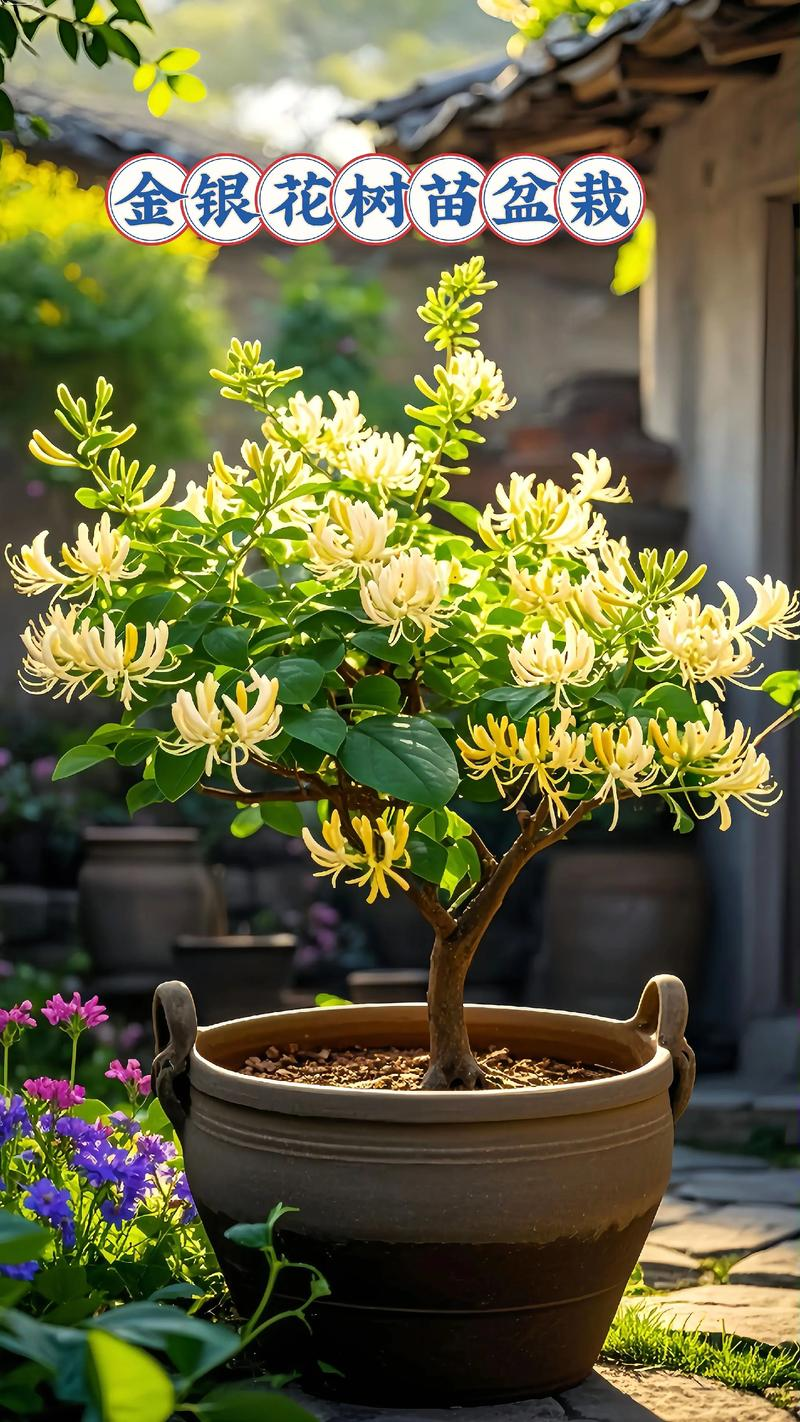
Opens a ditch at a 20-cm line on the platinum, at a depth of 3-5 cm, with a thin band of 10 cm wide, so that the seed that drives the buds is spread evenly into the gutter, the earth is compact, the grass is kept warm and humid, and seedlings are available for about 10 days. The seedlings are then removed and the regular management of seedbeds is enhanced。
The method of reproduction is divided: the mother's strain is extracted during the winter sanctuaries, the roots of which are duly trimmed, and the top of the ground are divided into one or two plants per lavender, which can bloom in the second year of cultivation。
Staple reproduction: before the fall and winter periods of hibernation or early spring, opting for three to four years of life to grow a strong mother. A year's bend close to the ground is buried in the soil, and it is cut in the part of the earth, covering 10 to 15 centimetres of fertilizer, then holding it tight, so that the branches come out of the ground. The pressure is often followed by water fertilization. In the spring of the next year, we can move。
Ii. Cultivation of gold and silver flowers: gold and silver flowers are usually grown in the open field, with very few basins. The seedlings are usually fixed before the onset of early spring gold and silver blossoms or during fall hibernation. For gold and silver flowers to grow well and flourish, it is necessary to choose, based on the ecological habits of the gold and silver flowers, a place where the sun is full, the soil is fertile, the earth is thick and permeable, digging holes at a distance of 1. 5 metres and a distance of 1. 2 metres by row, 30 to 40 centimetres wide and 30 to 40 centimetres deep, with five kilograms of fertilized soil per den. Each cave plant shall be planted with a minimum of damage to its roots, with a good pit dug and fertilizer applied evenly with the soil, and shall be placed in the centre of the planting pit, with its roots stretched, and shall be filled to the pits with a small amount of it, with a small amount of twitching of the gold and the silver flower, with no need to be too deep for planting, and with the root and ground leveling. The shallow effects are active, and they affect the growth of the gold and silver flower transplant, which is then planted and watered once。
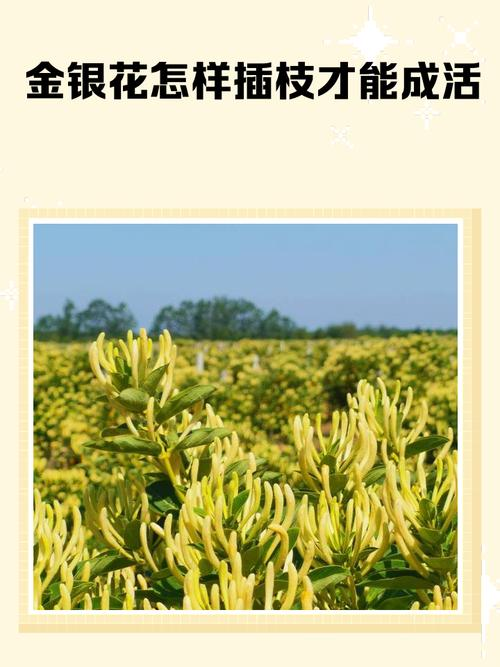
3. Fertilizer management: every year after the onset and after the poaching of flowers, the soil is then covered by shallow ditches alongside the plant, using manure or nitrogen fertilizer such as ammonium phosphate or urea for spring and summer festivals. During the winter, 5-10 kg of composting, 100 g of ammonium sulphate and 200 g of calcium per phosphate were applied in shallow ditches around the plant, then the soil was covered and cultivated. In the event of a drought, water should be extended in a timely manner, and the lack of water can lead to falling buds。
Management: 3-4 times a year, first at the onset of spring, second in june, third in august and fourth at the beginning of autumn and winter. Insects and insects that endanger gold and silver flowers are mainly white powder, coffee tigers, sprouts, etc., which are treated in accordance with the usual methods, and are then placed in a timely fashion。
Prosthetic shears: in the period between 1 and 2 years after cultivation, the main stem is grown up to be strong. When the backbone is 30 to 40 centimetres high, the sprouts are cut to the top, causing the side buds to grow into branches. After the spring of the following year, four or five large branches were selected for the upper part of the backbone, in two layers. In the winter, 5-6 pairs of sprouts were kept from the first branch of the main branch and cut off the upper part. Later on, 6-7 pairs of sprouts were retained from the second branch growing from the first branch, cutting the upper part. And the bouquets that grow from the subdivisions of the secondary branch are removed from the plume. By intracting, gold and silver flowers are transformed from entangled growth to branches, evenly distributed and ventilated. Watch out for the fat once after every trim。