


Gold and silver flowers are a medium medicine with short planting cycles that, if planted in the spring, can bloom in that year. If it's planted in the fall, then the second year can bloom. Varieties vary, as do flowering, for example, with four flowers per year for large flowers, the first flower from mid-april to the end of may, and one for about 30 days thereafter. Today i'm going to talk to you about the technology of planting gold and silver flowers。
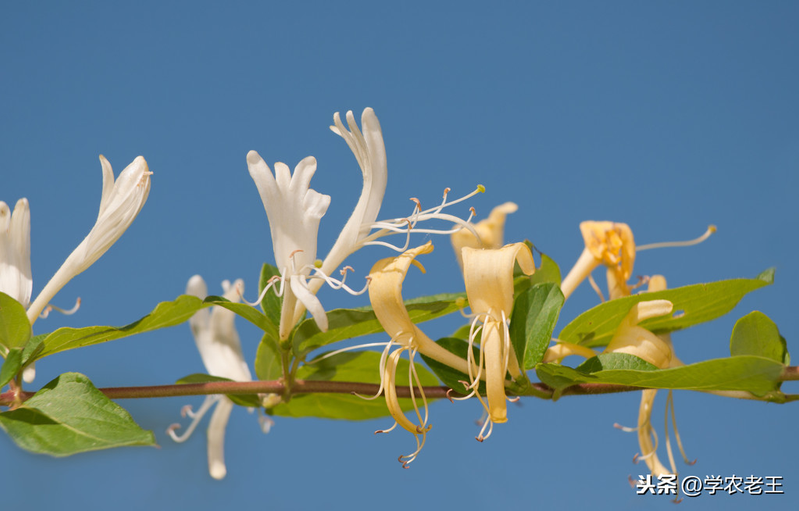
I. Gold and silver flowers can reproduce with seeds or without sex
The fruit of the gold and silver flower matures in the autumn, extracting it into the water, drifting out of the bark and impurities, and extracting seeds for drying. By spring, the seeds will be immersed in warm water for one day in favour of buds, and then they will be sowed into seedbeds in a strip, 25 centimetres apart, 1 centimetres of soil, then covered with straw, straw, etc., and then water will humid the soil and then seed in half a month。
The non-sexual reproduction of gold and silver flowers consists mainly of adhesive and bar-coated reproduction. Gold and silver incubation can take place in the spring or in the autumn. The spring was pre-emergenced and the autumn was late in august and mid-october. The general general chose a healthy branch of between one and two years as an inch, about 20 centimeters long. A direct seeding method can be used, with 5 to 6 inches per den and two thirds of the incision depth. It may also be possible to plant seedlings, but it is to be high, with a surface wide of 1 to 1. 5 metres. If the temperature is higher after the injection, it can be properly shaded。
In may-september, they can grow in a healthy year, burying the branches in 10 cm of soil, and then cut off the mother's plant after the flower of the next spring。
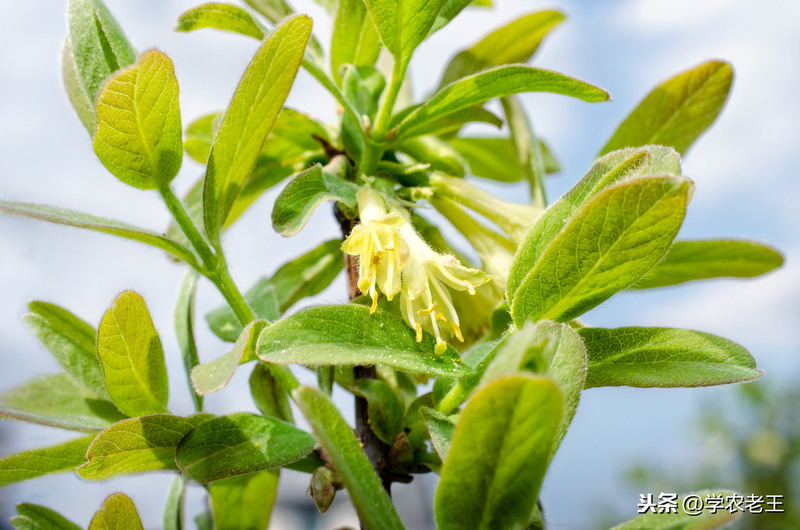
Ii. The method of planting gold and silver flowers
Gold and silver flowers are less demanding to the soil, with sandy soils being the best option, and they are grown to the sun, the soil is thick and well drained. Pre-planting is done with 30 centimetres of deep tillage, which can increase the level of cultivation and contribute to the growth of the roots of the gold and silver flowers, thus increasing their resilience to drought. In deep tillage, grass and stones are removed and 2,500 kg of organic fertilizer per acre, with a distance of 1 metre and a distance of 1. 5 metres. The width of the cave is set at about 40 cm. It is chosen to take place before or after the rain of the valley, and then to plant a layer of earth around the den, then to step on the ground and water the roots. Because gold and silver flowers are drought-resistant, they are usually not watered when they are planted. But if there is a continuous sunny day, water will have to be poured in time。
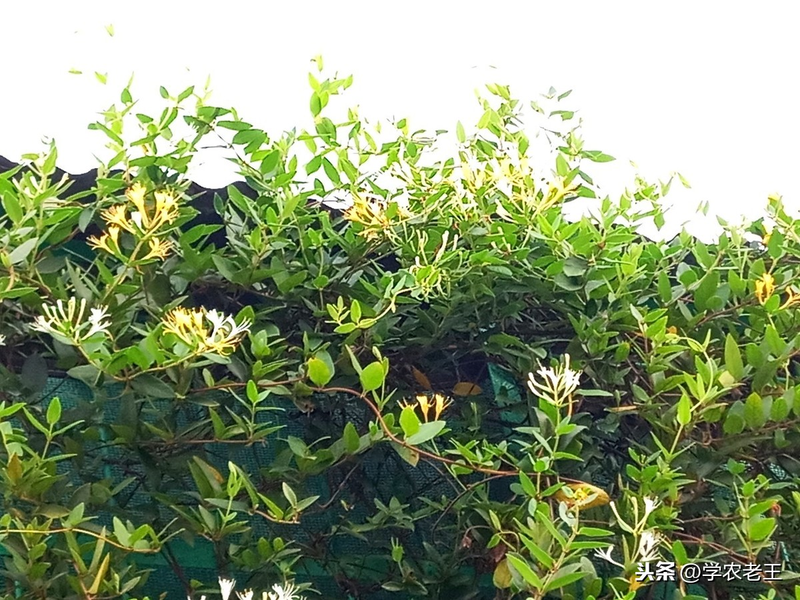
Iii. Management of gold and silver flowers
Once the gold and silver flower is brought to life, it is cultivated three times a year. Every spring and fall, weeding is combined to fatten, and urea can be applied to 15 kg per acre。
Plasmism endangers the leaves and buds of gold and silver, and in order to avoid contagion, the strains are removed. Aphids were at the peak of the damage to gold and silver in the summer, and it was recommended that 80 per cent of the diarrhea be sprayed with 3,000 times more fluid in light-light and rain. At the summer fall festival, gold and silver flowers are prone to brown spots and can be treated with 50% more than 800 to 1,000 times more liquid。
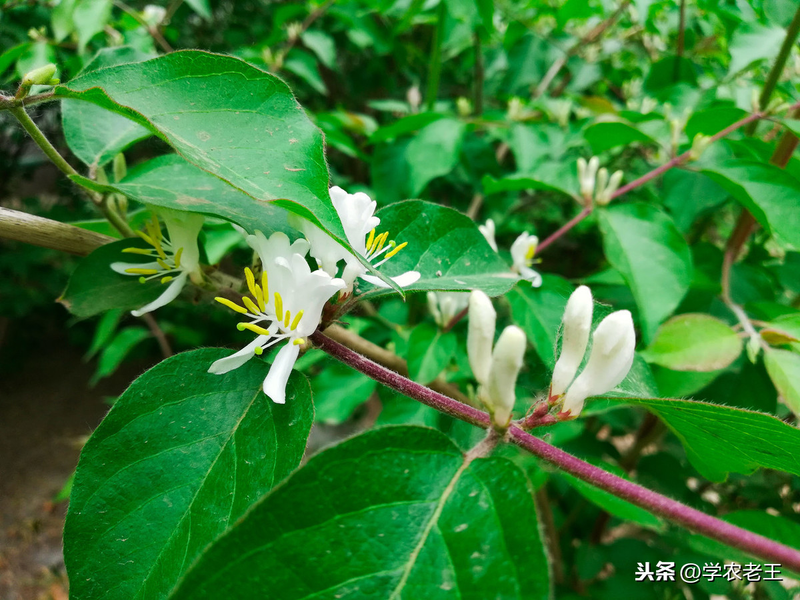
Cutting of gold and silver — cutting of branches
The trim of gold and silver cannot be ignored, since it is a plant grown by vines and vines, and it is unorganized. A reasonable trim could transform the original entanglement into evenly distributed growth, which would facilitate the formation of flower branches and increase production by more than 50 per cent。
The time of cutting is usually before winter and spring. In the 1 to 2 years following planting, shearing is intended to nurture the backbone, and the gold and silver flower is to be trimmed into an umbrella and a straight little bush. When the backbone reaches a 30-centimeter high, it is cut to the top, thereby promoting the growth of the side branches。
In the early spring of the following year, four to five large branches were kept in the upper part of the main business, in two layers. By winter, if the first branch grows from the main branch, it will keep 5-6 pairs of buds, cutting off the top. The second branch, which grows on the first branch, retains 6-7 sprouts. For the branches of the secondary branch, the twigs shall be removed. In particular, we remind you not to cut off the bouquet by mistake. Small, small and small branches, usually grown in the second-tier branches of spring or on old ones, are flowers。
In the third year, four to five strong branches were left behind, with the remaining branches growing at about 15 centimetres, making them a strong backbone, with trees forming small shrub-like plantations. The principles of winter shearing, light summer cutting, short-cut flowering and control of crowning are followed. The summer fall season was mainly trimmed to ease the tree position and improve ventilation. It is therefore necessary to cut cross branches, entanglement branches, overlapping branches, thin branches, long branches and dead branches in time for the flowers. Similarly, in the early springs of each year, the plants are cut from the bottom to the top, from the inside to the outside, and the old, weak and less upright branches are cut off。
The top-up measures for silver and gold flowers are described here. In order to promote new branches, reduce nutrient consumption and achieve a luxurious purpose, the “top-to-top” is the main focus of the growing season. The specific operations are: removal of the primary stem from the mother's plant for more than two knots; removal of the first branch from the backbone for more than three knots, leaving the second branch for 2 to 3 knots; and removal of the second branch from the first branch for more than 4 knots, leaving only the second branch for 3 to 4 knots. The flower branches that grow in the secondary branches do not have to hit the top。
Time and method of collecting gold and silver flowers
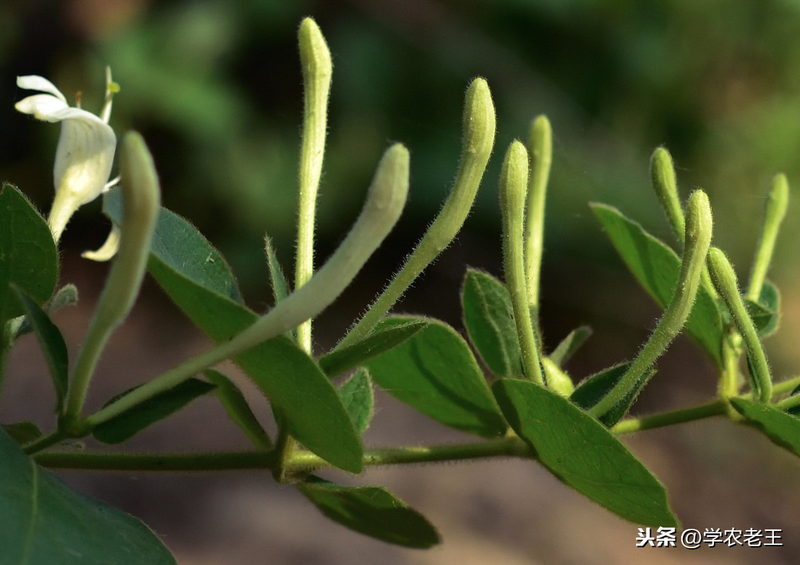
The most appropriate period for gold and silver flowers is the pre-breath and the pre-breath period, which is called white and white, and white and white. But it is easy to miss the pick-up time, so the best pick-up period is before. At this time, the production of dry substances and flowers, as well as their medicinal value, are high. Early drug collection is of low value and dry matter is low. The late harvest of dry substances was high, but the pharmaceutical component decreased。
The harvest usually begins in the morning and ends before sundown, so as not to affect the quality of the flowers. When harvesting, only ripe buds and mature buds are collected, with no leaves or buds. Then it's in the basket, not piles。
Summary
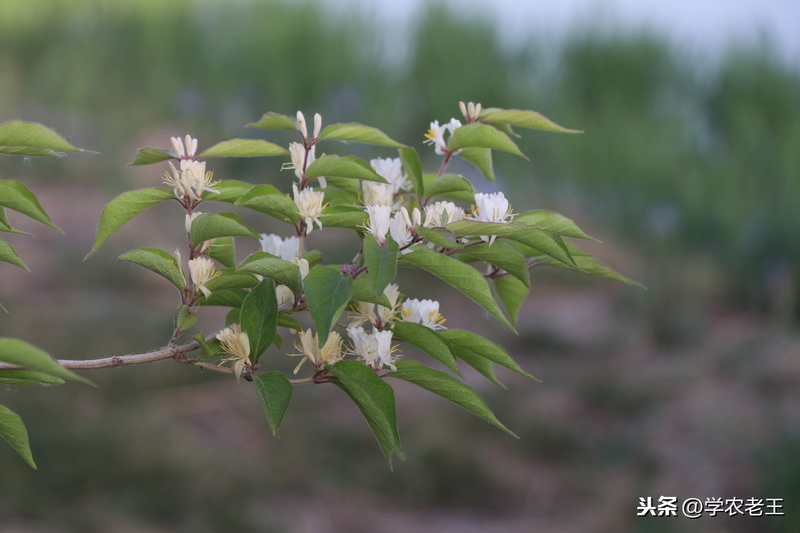
Gold and silver flowers can breed seed or have no sex. Non-sexual reproduction consists mainly of adhesive reproduction and corrosive reproduction. Deep tillage can increase the level of cultivation and contribute to the growth of the roots of the gold and silver flowers, thereby increasing their resilience to drought. In the case of pests, there is a need to combat pollinosis, lignoma and aphids. A reasonable trim could transform the original entanglement into evenly distributed growth, which would facilitate the formation of flower branches and increase production by more than 50 per cent. The time of cutting is usually before winter and spring. In the 1 to 2 years following planting, shearing is intended to nurture the backbone, and the gold and silver flower is to be trimmed into an umbrella and a straight little bush。

We're fighting the epidemic
The eight major crops, agrotechnologies, agribusiness courses are open 24 hours a day and are closed, and mobile phones are available online



