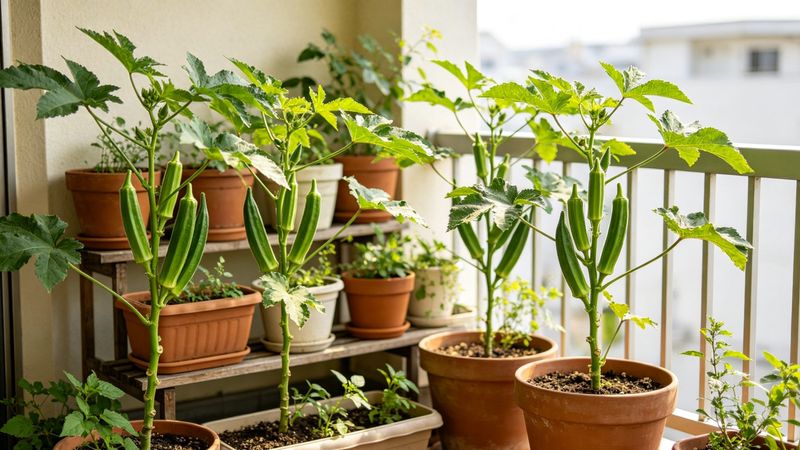
Last fall, i planted some garlic directly into the flower pot, and the gushing time was very different: in some seven days, it sprouts, in others more than twenty days, and a lot of garlic rotting in the earth. As a result of the sprawl, this year i finally mastered the method of fast-growing garlic through several test seeds and by inviting experienced farmers。
Critical first step: "activate" before planting, not just garlic
Most of the people who grow garlic grow it, and it's a piece of garlic that goes straight into the earth, and it's a slow, rotten petal. The right way to do this is to give the garlic a wake-up call。
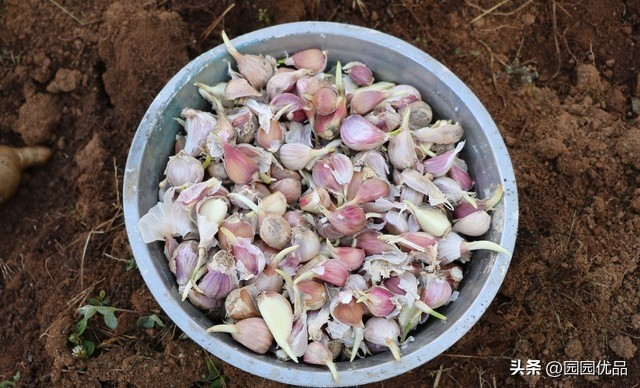
I then used warm water (about 30-40°c, warm and warm by hand) with a small spoon of white sugar, soaking garlic petals for two hours. This step has three effects: first, to give the garlic full intake, second, to provide the energy from the early gestation, and third, to reduce the probability of rotting petals. : activate and plant, not just garlic
By contrast, garlic petals, which have been bubbled with sugar, have been sprouts for an average of five to seven days, while the direct-plant control group has been held up for a dozen days。
Step 2: cultivate, so that the buds don't get crushed
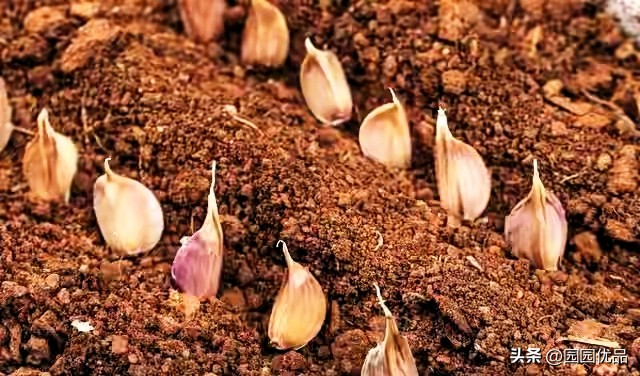
Did you ever push garlic in the ground? I used to do the same, and many of the buds were deformed and yellowed before it came out. The correct method should be to tilt a hole in the earth with a finger or a wooden stick at a depth of about two to three centimetres (equivalent to two fingers), and then to put the garlic petals in it, with the tip of the garlic stick facing up and down. Finally, the earth is light, so don't push it。
The method is a simulation of the “slash-scrolling” in daejeon's cultivation, which allows the sprouts of garlic petals to grow up naturally, easily break the ground and grow。
Step three: sequester the soil, then water, and avoid the "suspension" of garlic
Once buried in the garlic, many people immediately pour water in large quantities, which in fact tends to lead to false exposure to the soil and excessive water suffocation. In the correct order, the soil on the surface should be compacted with hands, the garlic petals and the soil should be attached to each other, and then the water should be slowly watered with fine water until the soil is wet. Then, before it is sprouts, all that is necessary is to keep the earth humid, and not heaven。
Remember: grow garlic, so the soil is free to breathe, not with the easy ground. I usually use rotting leaves, garden land, a small amount of river sand, well drained and fertile. Experimental results: 80% on the seventh day and 100% on the tenth day
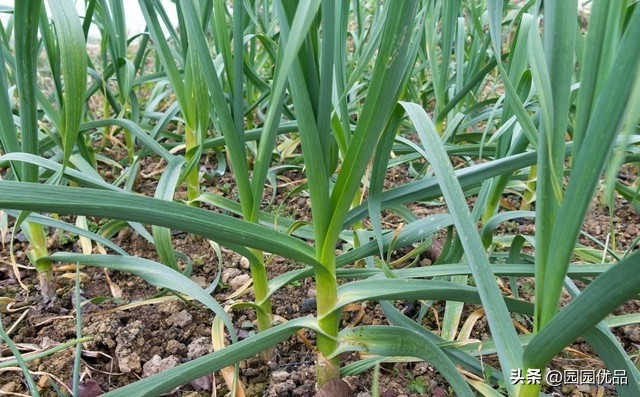
I replanted it this way. The fifth day began with the sprouting, the seventh day 80% of the garlic petals have come out green, the tenth day is full, and none of them rot. And it was clearly thicker and more organized, and then the garlic leaves were thick, dark green, and two sprouts were picked and the scent was particularly strong。
Why is this method more scientific
I later found out that warm water immersion can effectively break the hibernation of garlic, while white sugar provides carbohydrates as embryonic energy. Tilting corresponds to the upward growth character of garlic buds and avoids stifling. Sequestered soil is used to prevent the suspension of garlic petals from drying up or excessive water decay. Every step has its meaning。
A few practical suggestions
1. Seasonal selection: the two seasons of spring and autumn are the most suitable, with temperatures rising at 15-20°c. The summer can be grown but it needs to be covered, and the winter indoors can be planted but at a slow pace。
2. The selection of garlic is to be right: buy local garlic as much as possible, or make specialized garlic. Some of the imported garlic has been sprung, with very low growth rates。
3. Light management: place it in a dispersive light position before the sprouts and gradually add sunlight after sprouts. The day after day, the garlic seed grows stronger。
4. Adjudication of the timing of the watering: it can be used before the sprouts point to one centimetre into the soil and feel dry and watering. The soil is “dry and wet” after seeding。
5. Covering micro-wetting techniques: laying a layer of dry grass, rice shells or coconuts on the top of the earth, which can effectively protect the water from the grass, reduce the number of water pourings and produce better seedlings。
Now, the garlic on my balcony has grown into a little green forest, and it can be picked for the taste. Self-planted garlic is fragrance, green is safe, and the process of planting is more stress-relief and interesting。
If you also want to grow garlic -- don't put garlic in the ground! Remember this saying, "one twig, three presses," you can easily grow a big garlic. Sometimes a little change of approach makes the harvest very different。
I hope you'll grow some good garlic too. If there's a problem, we'd like to talk in the comment section