I. Standing
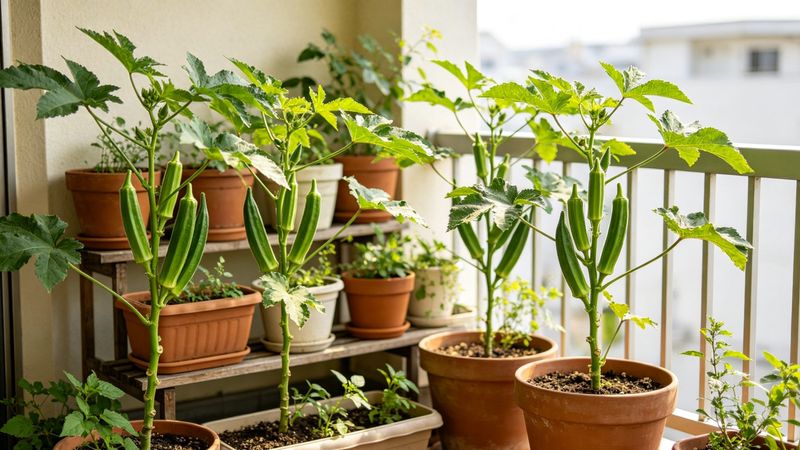
In order to take advantage of a single acre production advantage, planting density cannot be over-integral. The soil is of good quality and thickness, with a distance of not less than 3 m x 4 m, and no more than 60 acres, with two to three pollinators per 100 plumes. Cultivation of saplings, laying of dens, pre-positioning of 10 to 15 kg of corticulture fattening and 5 to 10 kg of coke as base fat. A deep plant is used, the soil is covered to 5 cm above the seeder interface, which is then watered one to two times. In the course of the year, covered shades such as wood and grass were planted。
Ii. Fertilizers in the field
Fertilizers are predominantly organic, followed by potassium fat and control of phosphorus fertilizer. Organic fertilizers are dominated by adjoining, compost and ash, and fertilizing in larvae is dominated by quick-effect fertilizers, and nitrogen, phosphorus and potassium are applied in conjunction, with constant fertilization 2-3 times. Adult trees aim to achieve high-yield quality, and fertilization increases appropriately each year as output increases. Fertilizers were applied twice throughout the year, first in spring, between february and march, usually with potassium sulphate 1. 0 kg plus urea 0. 2kg, or urea 0. 25kg plus caramel ash 15-20kg. In addition, long-term folic fertilisation in fruit production, with an option of 0. 2% to 0. 3% of potassium phosphate or 600 times more liquid eugenic fertilizer, typically sprayed 1-2 times; the second is fertilizer, which accounts for 50 to 55 per cent of the total annual use, and which is applied to charred ash 25 to 30 kg by tree production of 50 kg, or to fertilizer 2 to 3 kg plus fertilized ash 15 kg (or potassium sulfate 0. 5 to 1. 0 kg)。
Iii. Rational trimping, coronal control

The natural tree shape of yang mei is round head and, in order to achieve a high quality and easy management of rapid production, it is expected that it will be promoted to form tree crowns early and that when the canopy is formed, growth will be effectively controlled and budding will be promoted; the result will be to improve ventilation and light conditions, and to achieve high- and lower-stereotype results, which will be productive over the years, and the larvae will normally produce "three branches" of natural fun tree crowns. This is done by selecting three to four strong and evenly distributed branches to be the main branch after planting, which is 30 to 40 cm high, and by training two to three sub-powders on each branch, so that the distribution is reasonable, the hierarchy is clear and the tree coronary is basically formed within three to four years. The results should then be easily cut and spread, mainly with the aim of detaching, defusing the tree and opening the side branches. The upper part of the branch should be thin, the lower part should be dense and achieve a stereo result. The cut was mainly in spring february, supported by summer (after the harvest). Cutting the disease branches, the dead branches, the weak branches, removing the branches, and retrenching them to update the branches, the weak branches. In the case of bong trees, the following shall be used: (1) re-cut. In the spring, the principles of “controlled push, internal push, trim and small branches” are used to trim and to promote the ventilation of tree crowns. “opening the skylight” is a good way to re-cut and has a clear effect on the bouquet. (2) pull, support. When the autumn stops growing, the canopy may be stretched by rope or the branches of wood, so that the canopy may open up and the large branches may open up, so as to ease the tree's position and produce positive results. (3) circumcision. In september-october, circumcisions with knives on branches 1 - 1. 5 metres from the tree canopy were carried out in 1 - 2 circles, and the promotion of the bouquet was also significant. Circumcision should account for one to two thirds of the total tree. (4) deepening the roots. In spring, in february-march, or in autumn, in september-october, the roots of orchards will also be broken, which will facilitate the promotion of flowers。
Iv. Application of plant production regulators
Yang mei uses multi-plugs. This was done by spraying tree crowns with more than 300-700 ppm in july-september. Spray concentrations are determined on the basis of different varieties and tree patterns, such as thick leaves and strong trees. The spray is available the following year and has a 2-4 year effect. Use can continue when the efficacy of the drug disappears。
V. Recognized account
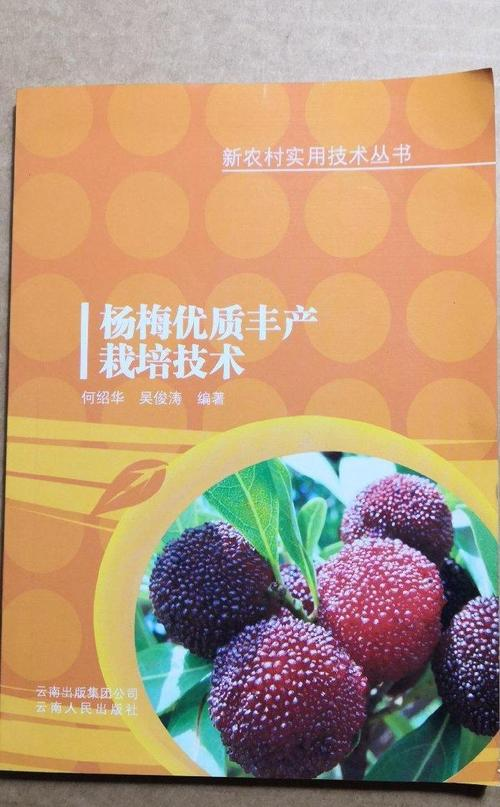
Young-mei has characteristics that are not easy to fall fruit and that change fruit and continue to grow, and has the potential to increase production during harvest. Thus, there should be a series of harvests, which should be light, light and light, without dumping。
Vi. Fields
The first is a combination of spring trim and the removal of extra bouquets, especially the tiny ones, and the second is a flowering tree that can be sprayed at the flower season with a yin plum sorbet -- "sort" 200 times. (b) zorie: some 20 days after the bouquet, a reasonable routing is performed, based on the volume of the tree's latches, and the wiring of the circulatory, deformative, insect and small fruit is usually carried out two to three times, which is completed in the period preceding the expansion of the fruit。
Vii. Results of the reduction of yang mei's size
Young mei's year-to-year results are widespread, leading to the phenomenon of yang mei's year-to-year outcomes mainly due to meteorological changes and poor management of production. Appropriate methods of production management can reduce yang mei's year-to-year outcomes。
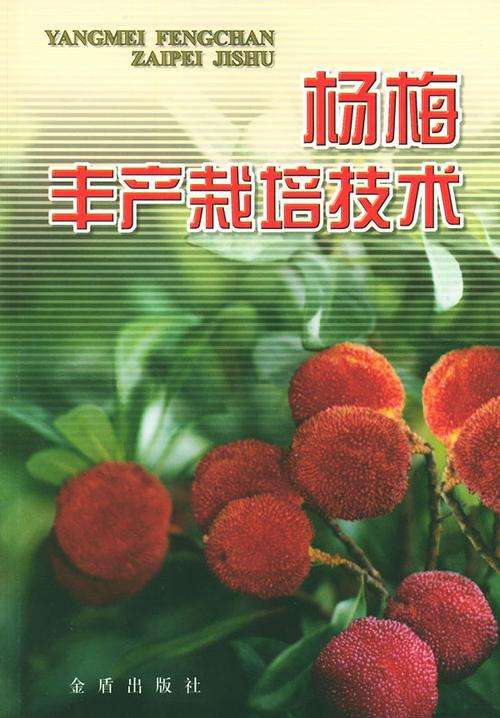
Age tree management: between december and mid-march, the whole tree evenly contracted the one-fifth-two-fifth result branch, while applying 0. 5-1 kg of fast nitrogen fertilizer to each plant, prompting early spring onset. In mid-24, the flower spray was 0. 25-0. 35 per cent and the growth promotion agent was “difficult 5” so that it was appropriate to absorb the flowers and contributed to the springing of the branches of the result. In mid-35, late late, and about 15 days before the harvest of the fruit, the leaf was sprayed with fruit-fruit fats, which contributed to the colouring and early maturity of the fruit; in late may, the compound fertilizer, with 0. 5 kg of nitrogen per soil, dominated by potassium, was used as fertilizer for the fruit. At the end of june and the beginning of july, 10-15 kg of grasswood ash and 0. 5 kg of urea per plant were harvested; in mid-august, leaves were sprayed with 500-1,000 ppm polysulfon。
Small-year tree management: (1) during spring trimmed from february to mid-march, the whole tree was evenly cut with two-fifths of growing branches, while 500 ppm of polyazole was sprayed once. (2) a bouquet of 10-20 ppm cactin. (3) from 20 june to early july, crown sprayed 50 ppm cactin. (4) 10 kg of grass-wood ash per plant after harvest. (5) cut and remove part of the summer so as to reduce the following year's outcome。
Disease control
The main pests are oysters, long whites, leaf moths, debt-sheltering worms, etc., and a few plots also detect cancers of termites, caterpillars and plums, brunettes, and ferns, which are treated in a timely manner depending on the occurrence of the disease. It is advisable to clear the garden with pine alkaline or pineapple in winter. In may-july, oxidizing fruit, hydromethyl parathion or rice-breeding sunbath were selected. Chemical pesticides should not be used during the first month before they are taken. Three degrees of thiomer sulfur slurry is then used for fruit extraction and has the effect of treating insects (polymers). Vegetable moths, caterpillars, etc., can be sprayed with agents such as dichlorvos, marathons or aquatic parathion。