Cherry requirements are relatively high and are seasonal in nature, and generally at the beginning of spring and summer, the benefits of cherries growing in cherries can be increased by using the hot edge of the shed and sufficient space. This paper is based on the technologies used to grow the cherries and the management methods used to grow the cherries, such as garden selection, choice of varieties for the construction of the cherries, tailoring, management of water fertilizers, etc., with a view to improving the benefits of cherries growing in the cherries。
With low input, high production and the use of hotware technology in the sheds, cherry can be marketed ahead of schedule with relatively high returns. However, in the cherries of the shed, attention is paid to the selection of the garden, the selection of varieties, planting, and the shacks, in order to ensure a healthy environment for the cherries. There is also a need for flexibility in the application of vegetable set-up techniques in order to increase the profitability of the cherries during their cultivation。
I. Strengthening technology for current cherries
1. Park selection. Since cherry fields require relatively high temperatures, light, humidity and soil fertility, with average annual temperatures ranging from 10 to 12 degrees, the cherries should choose the sandy patch of sandy land in the backwind of the sun, sufficient light, deep earth, flat ground level, easy watering and estrangement. Since cherries are fruit-rich trees, they are chosen in close proximity to the water source, and since cherries mature in a concentrated manner and are not easily stored, transportation around the cherries is sufficient to facilitate transport when cherries mature。
2. Construction of sheds. Following the selection of the cherry fields, a single-slanted hut was built between december and january on the north wall, 2 metres high in the east-west direction and 3 metres high in the east-west wall. Supported by plaster bars with steel bars. There are working doors and ventilation windows on the east-west wall, which are approximately 1. 5 metres from the ground. The inner walls of the huts are glued with mud to keep them warm. The plaster bars in the shed, which are the main pillar, are laid at a distance of 3. 5 metres and form a grid of 50 cm long, which is then covered with drip-free membranes and straw curtains。
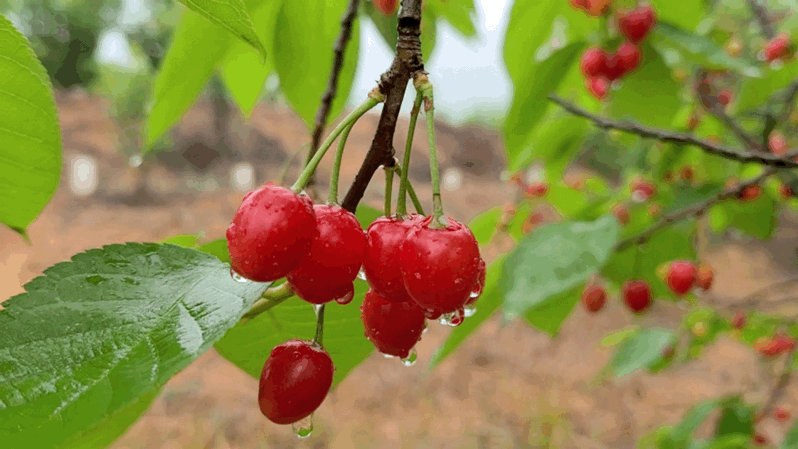
3. Choice of varieties. The choice of the cherries in the shed is based on the adaptation, quality and cost-effective cherries, such as red lamps, premature fruit, red fruit, scabs, etc., which have the advantage of being mature early, having a high rate of home-grown fruit, and meeting the requirements of the cherries in the morning, while avoiding low self-safflicting and low-quality conditions, planting pollination trees such as rabins or steiner at a rate of 4 and 1. In order to see the benefits as soon as possible, cherry seedlings are chosen either by a strong, multi-skinned, thick tree seedling or by a five- to eight-year early-out tree。
Cherry planting. It is generally chosen to plant in the spring, after the spring soil has been unfrozen and before cherry seedlings have sprouts, and generally best in early march. In the case of cherries, the density of cherries should be reasonably controlled, with a minimum distance of 4 metres on fertile soil and a north-south route to enhance cherries ' photogenic performance。
Ii. Methodology of the last management of the ground cherries
1. Cherry tree trim techniques
The main groups are larvae, primary fruit, and sprouts. When the trunk grows too strong, the branches of the main branch shall be cut off, and the branches of the branches of the main branch shall be cut off. The branches of the main branch and the branches of the branches of the main branch shall be sprung from the point of view of the pull, and they shall be sprouted, and they shall be drawn into a line which shall not form a bow. The sprouts are usually carried out in early march to promote the development of the side branches. In the case of the tree of the first fruit, the branch of the branch shall be gradually removed from it so as to ensure that the branch of the branch shall not affect one another, and the branch of the branch of the branch which is not divided shall be promoted. For fruit-bearing trees, the whole structure of the tree should be adjusted to ensure ventilation and light in the tree canopy, and the excess vertical branches, overtows and cross branches should be removed from the canopy so as not to disrupt the tree and waste the nutrients。
2. Flower fruit management
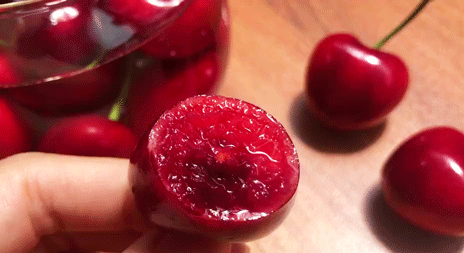
The cherries tree fruit management is divided into the cherries' first flower and the cherries' larvae boom. Spraying of plant growth regulators one to two times before and after the beginning and before the flowering of the cherry trees, following the flowering of the cherries, removes small and deformed flowers from the weak branches and ensures that between two and three buds are kept on each bouquet. After the physiological fallout of the cherry tree, the small fruit and the deformity fruit are removed, leaving between three and four fruits in a flowered branch. Plant growth regulators were also sprayed during the cherries ' larvae boom to promote cherries ' growth, but attention was paid to the amount of growth control agents sprayed to avoid fissures. In the early stages of chromosomalization, the colouring of chromosomal fruit is promoted through leaf extraction, retrospect, etc。
3. Fertilizer management of cherry trees
Since cherry trees are a fertile plant, it is important to do the basics of the orchard, the pursuit and the filling of the fat. At the latest, at the end of the month of november, fertilizers are applied in the fall, in the form of organic fertilizers in the form of 100 kg per tree in general and in the form of early fruit and 200 kg per organic fertilizer in the form of adult trees. Fertilization time is fast before flowering or the first time before fruit is produced, dominated by nitrogen fattening, which increases sitting rates, promotes the slight growth of branches and fattens the leaves, lays the foundation for buds, while at the same time sprays boron fat and 600 times the dihydrogen phosphate dihydrate diaphragm。
After the harvest, the fruit tree enters the nutrient accumulation stage, so that the supplement is dominated by organic, soybean and fertilizer, the application of which can be determined by the age of the tree。
4. Cherry tree water management
Before the cherries begin to bloom, water is to be poured to meet the demands of the leaves and flowers for water, which can reduce the temperature and prolong the flowering period. Watering occurs one to two weeks after the flower falls, at a time when cherries are growing and demand for moisture is high, and water shortages can cause stunting of cherries. Watering a week to two weeks before harvesting can cause cherries to expand rapidly, while producing more cherries and delaying harvests later, causing unnecessary economic loss。
5. Prevention of cherry worm disease
In the case of cherries, which are common diseases such as cancer, brunette perforation, pear larvae, etc., growers are required to visit the garden more often during planting and, if these pests are found, to take timely and appropriate measures to combat them, but care is taken in the course of the treatment to avoid secondary damage to cherries。
Iii. Strategy of cheers and products
Since the first three years of cherries growing in large sheds have been relatively small, since the cherries have a longer growth cycle and the cherries are still growing in the first three years, they usually do not produce any higher returns until the third year, amounting to about 200 kg per acre, so that they can be grown in order to take full advantage of their warmth and land resources in large huts. The planting of mushrooms and veggies during the period will not only have an impact on the growth of cherries, but will also benefit the fields of fatting and weed management。