We have been faced with low yields, poor quality, late maturity, low rates of pumping, high water consumption in arid areas of the north and safe winters of garlic north of 38° n。
In recent years, however, with the advent of membrane cover cultivation techniques, the problem of late-burning garlic has slowly begun to be addressed。
According to relevant data, membrane garlic cultivation has increased by about 30 per cent compared to common garlic cultivation, while the economic benefits of growers have increased to over 50 per cent。
Of course, the technology was widely disseminated throughout the country as soon as it emerged. Now let's get this technology straight
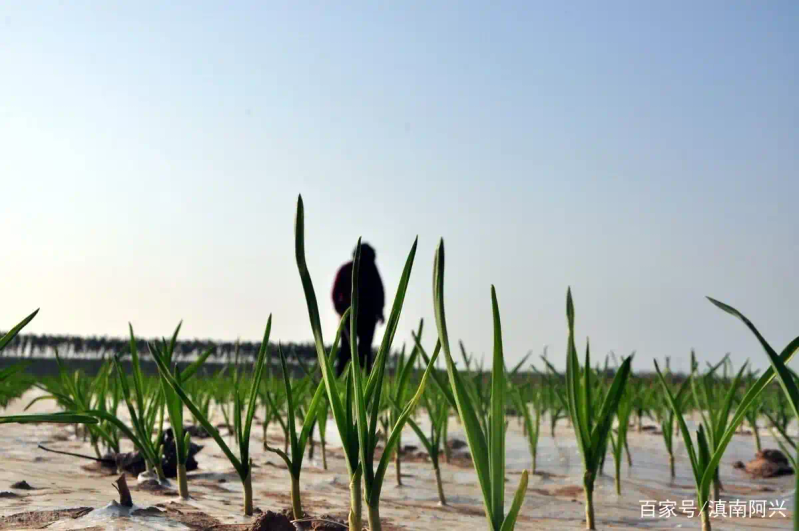
I. Selection of species of membrane garlic
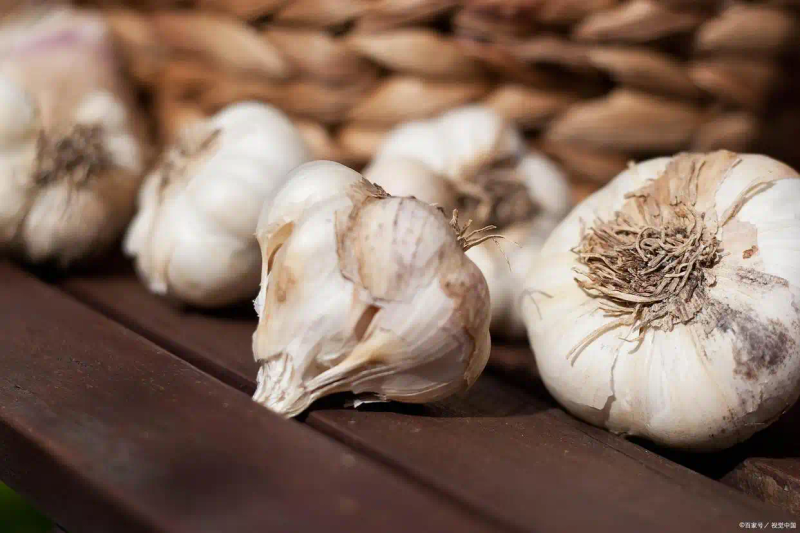
Garlic cultivation in the membrane is not an option for any kind of garlic. There must be light and cold tolerance for the garlic varieties used in its cultivation technology, which is the most basic
Therefore, in the choice of garlic varieties, we should choose to grow with a high adaptive capacity, a warm light, a high yield, good quality of garlic and garlic, and some good varieties that grow robustly。
Ii. Selection and landscape of membrane garlic
In addition to the selection requirements for garlic, the planting technique is also highly relevant for garlic plantations. In general, when we select plots, the chosen plots should be soil-rich and soil-depleted。
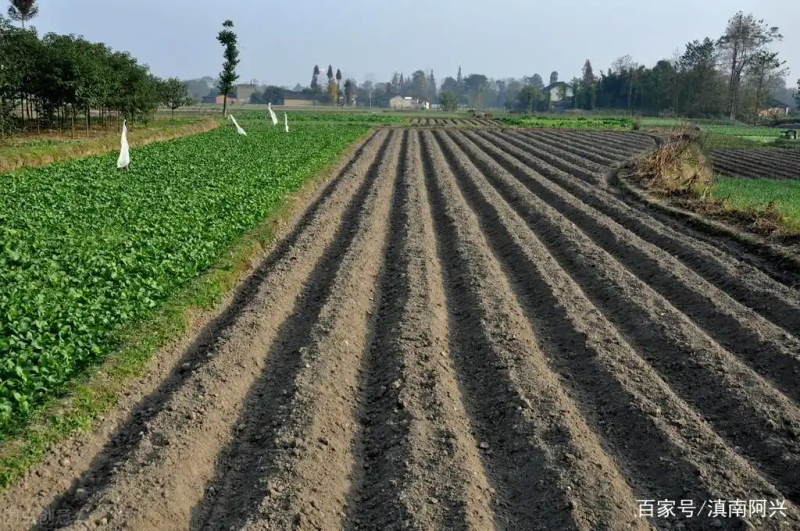
Especially for membrane cultivation, the requirements for soil should be more stringent. For example, the so-called six-word criteria of “early, flat, loose, broken, clean, clean” are required。
(a) early morning: meaning early morning, early tillage, and early tan
Flat: refers to the ground that needs to be levelled, not the pits
Powder: powdering and aerobics
(a) fragmentation: the point is that the soil is thin and there is no large mud or stones, etc.
Net: clean of the soil with no end-of-life membrane or front-blown residues
墒: points to the bottom foot of the soil and also to the three days prior to the tillage。
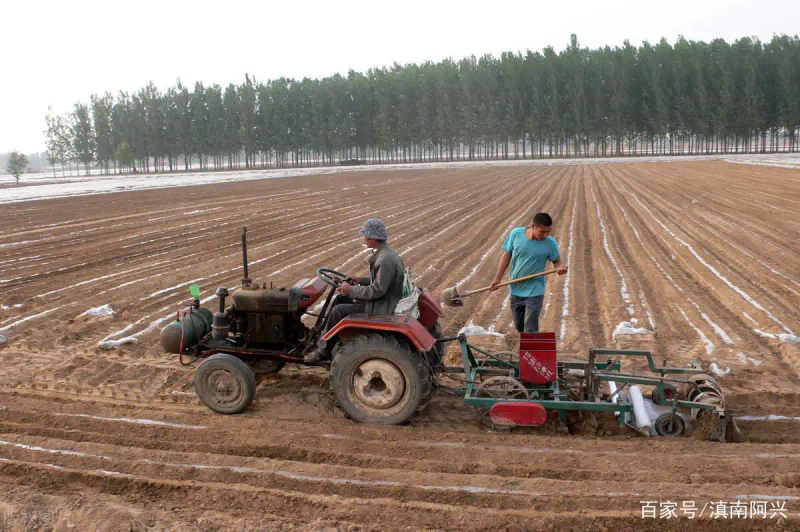
The “six words” criterion above is the basis for the later planting of membrane garlic, so we need to meet the above conditions to the extent possible during the specific planting process。
The standard for common membrane garlic cultivation is that garlic is made based on the width of the actual membrane following the requirement to pour sufficient water before arable land, in order to facilitate the operation of the membrane and drainage during the planting period。
And when it comes to base fat, we need to make full use of manure, or animal urine. Approximately 3,500 kg per acre。
At the same time, we can also apply special fat for garlic. For example, fertilizers such as urea and ammonium sulfate. And then it works best when the manure is evenly applied。
Iii. Time of planting membrane garlic
It is also essential for planting time, not too early or too late, and it is common for membrane garlic to be sowed about 15 days later than the field。
The planting period for ordinary garlic is usually around 15 september, so the most appropriate planting period for our membrane is around 1 october。
And before winter, if garlic seedlings can grow about seven leaves, 20 centimetres high, they can generally be safe。
If planting is premature, garlic will grow mad before winter, when the seedlings are not strong and are prone to freezing in winter。
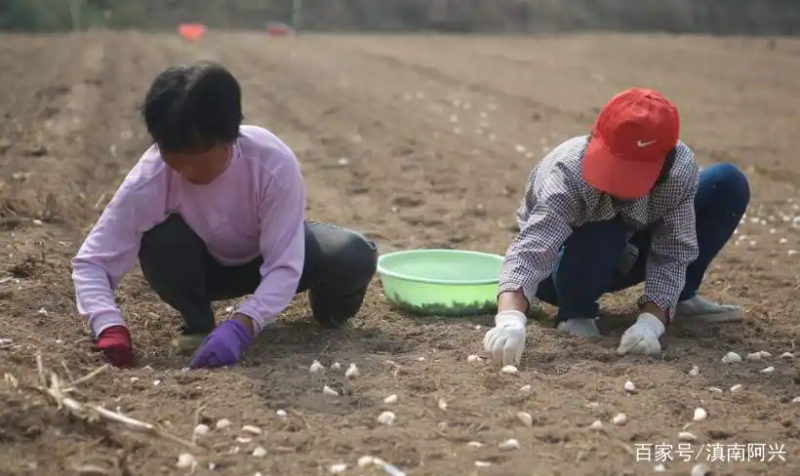
Also, before we sow, we have to determine the density of cultivation, which must be scientifically sound, with about 35,000 plants per acre as a standard。
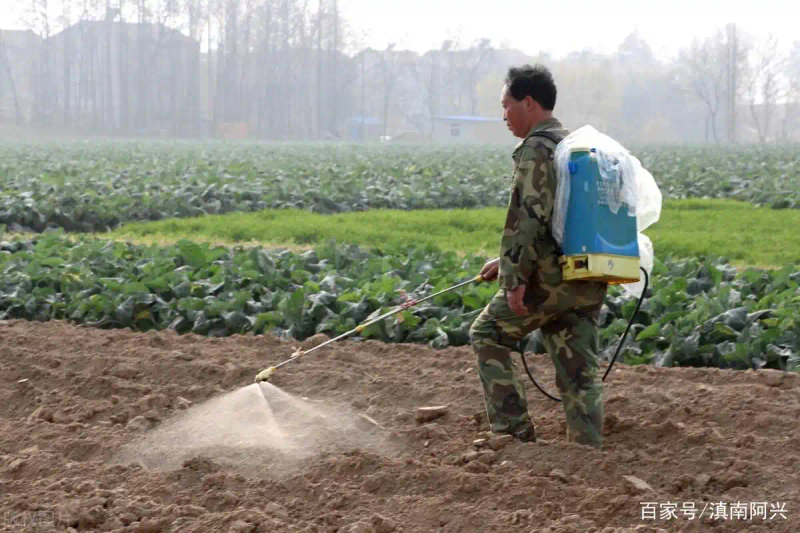
The pace of planting is also simple, usually with garlic being grown first, but also with membranes, and finally with earth-pressed membranes. We must, of course, spray the membranes with herbicide before covering the ground。
What needs to be noted is that when the lids are on the ground, we have to tighten and level them, and then we have to crush them on both sides of the mud, in order to prevent the wind from breaking。
Iv. Technological management of membrane garlic
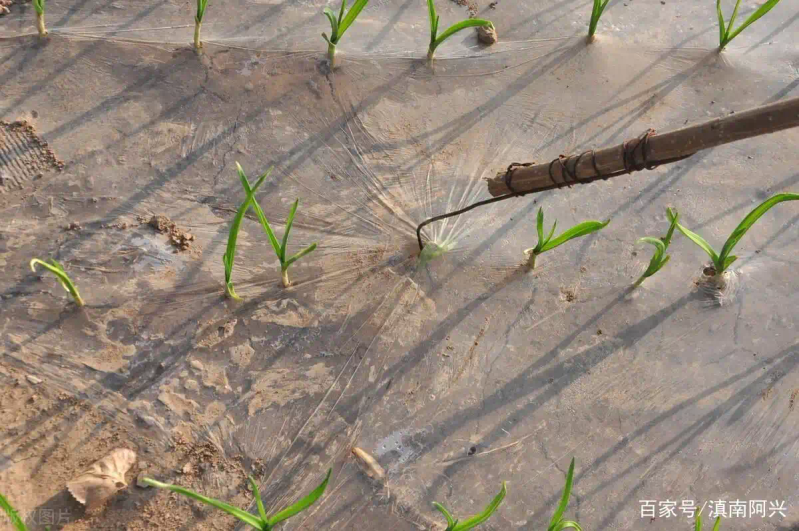
After planting, we wait for some time for garlic to come out of the ground, and we're going to go to the rags in time to release the seed in order to avoid high temperature burns. Under normal circumstances, however, if the membranes of the previous period are compacted, the seedlings in general are capable of disempowering themselves。
And we can also use brooms to lighten the film, then pull the film and break it to a large extent, which can also help the garlic decorate。
For those young children who do not have demersals, we need to go to artificial demurals in a timely manner, at which point we can rip the membranes directly from the hand, or simply make a little wire hook that can easily pull the membranes, and then let the membranes reach。
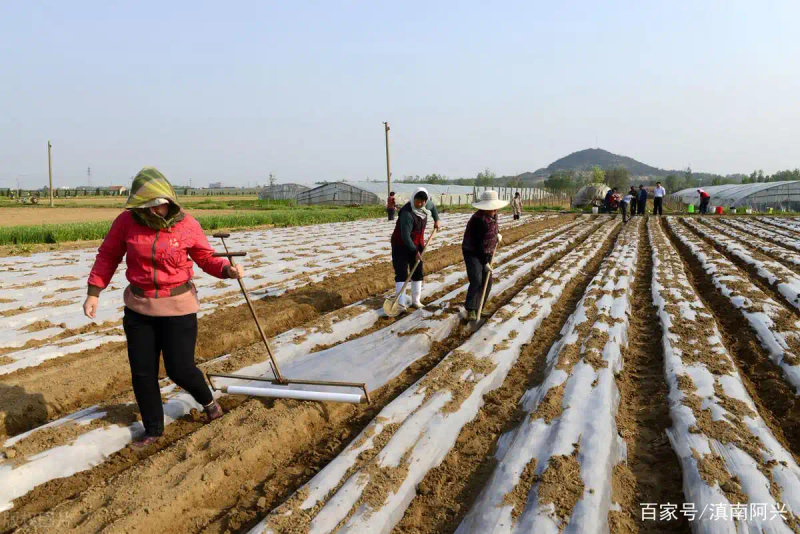
After tearing up the membranes, we'll seal the membrane under the seedlings with fine clay, and then in about three days' time, we'll be almost there. This is a time when we need to water them in a timely manner, as well as to properly fertilizer them。
It is important that we water it in a timely manner, and that it be well-fed, because it will meet the growth conditions of garlic. What needs to be noted here is that irrigation should not be chosen to water it for the sake of economy。
V. Cerebro garlic harvesting
By the second year, we'll be able to completely untangle the film when the average temperature rises to above 15°c, and then we'll be able to harvest it directly when the garlic leaf is yellow and the mantle becomes soft。
We also need to pay attention to the fact that the water is stopped 10 days before the harvest, a step that makes the garlic naturally ripe。
Finally, one day before the harvest, we can choose to pour a little water, the purpose of which is to facilitate garlic. All right, the membrane garlic planting today, we'll see you around. Thank you