China tea network information: a pile of abandoned tea branches, a piece of “failed” sidewood, a bundle of crop straws, placed in a small farm yard, at best as a “fire match”, was treated as a baby at kim sung-sung agricultural science park in heunglong town, mekong county, after crushing, fermenting, inoculations — with fresh, nutritious tea mushrooms。
A few days ago, the author entered the kim sung agricultural science and technology park in hinglong town to explore the mystery of this waste producing tea mushrooms。
Before reaching the park, the sound of a loud machine was heard, the smell of a tea tree was in the air and the workers were crushing the tea branch。
The technical director of the park said, “we can grow tea mushrooms by crushing the tea branches, then mixing them with water, high-temperature poisoning and cooling, and then inoculate them, and then put them in production sheds.”
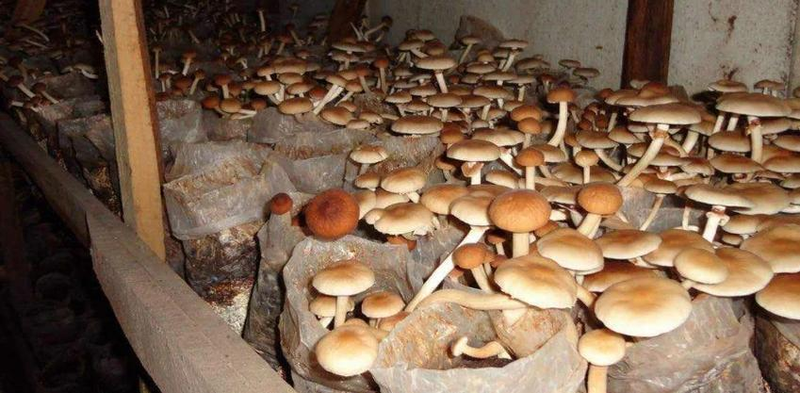
In the sheds entering the blubber packs, a line of bile packs is arranged in a frame, warm in the sheds, on the blubber buns, brown mushrooms pop out of the head, with crystaly beads, especially cute。
Shen cheng told us that the park currently buys abandoned tea branches from the tea farmers at 270 yuan per ton, and that each ton of tea branches can be crushed and packed into more than 1,000 fungus packs, each producing 400 grams of tea mushrooms. In mekong, where there are nearly 560,000 acres of tea plantations, the number of tea branches that are abandoned each year as a result of old and new changes in products has the advantage of adequate resources。
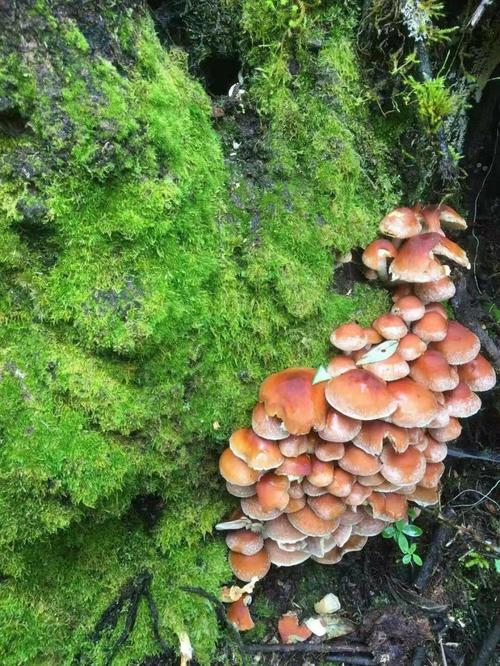
It is known that tea mushrooms are a fungus that grows in tea gardens in high mountain forest areas and contains amino acids, minerals, trace elements and cancer-resistant sugars that are non-synthetic in many humans and are resistant to cancer and old age。
Summer drying began in 1998 with a study of tea mushrooms, which resulted in the finalization of mekong after visits to various parts of the country. He said that the state now attached great importance to agricultural and rural work, that agricultural modernization was a necessity, that the mekong had a unique resource and ecological advantage in the cultivation of tea mushrooms, that the county councils and the government attached great importance to the development of the tea industry, that the people of the county were very motivated to grow tea, that the tea branches were of excellent quality and that the production of tea mushrooms was guaranteed quality by their adherence to organic farming。
It is understood that the kim sung agricultural science and technology park was established in november 2012 to combine research and development, training, planting, processing and marketing, mainly for the production of edible bacteria and tea garden grasses, as well as model agricultural science and technology parks with modern recreational agricultural tourism。
The head of the science and technology park, mukin, stated that the mekong county council and the government had proposed a “6456” strategy for the development of the tea industry. The government attached great importance to the development of the tea industry. The park would build on the wealth of the tea resources of the mekong, increase the development of the tea, mushroom and mushroom series, and boost the production of more tea farmers。