Landmelons and potatoes are two crops that are often grown by many farmers, although they are relatively simple to grow and manage, but to achieve high-quality production, not only by mastering the fertilization patterns of the melon and potatoes, but also by following science in their cultivation and management. In many places, most growers are currently growing and managing, one neglects the routine application of fertilization and one neglects scientific management。
1. Fattening of seedlings
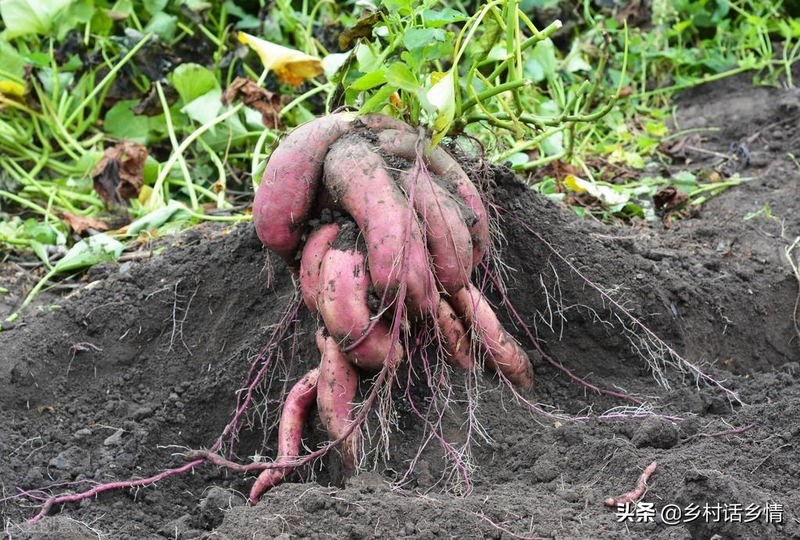
The fattening of the seedlings is five days after the seeding of the potatoes, because the roots of the potatoes and the melons are small and the bottom fats used are not working at this time, and it is necessary to follow up with a quick effect to fatten the seedlings in order to promote their growth and abundance。
Since it's a seed fat, the only fertilizer is nitrous fertilizer, the potatoes can be rooted with 0. 2% urea, the melon can pounce a small pit above 5 cm, and a small urea can be poured into the pit with 0. 2% urea。
Two. Big fat
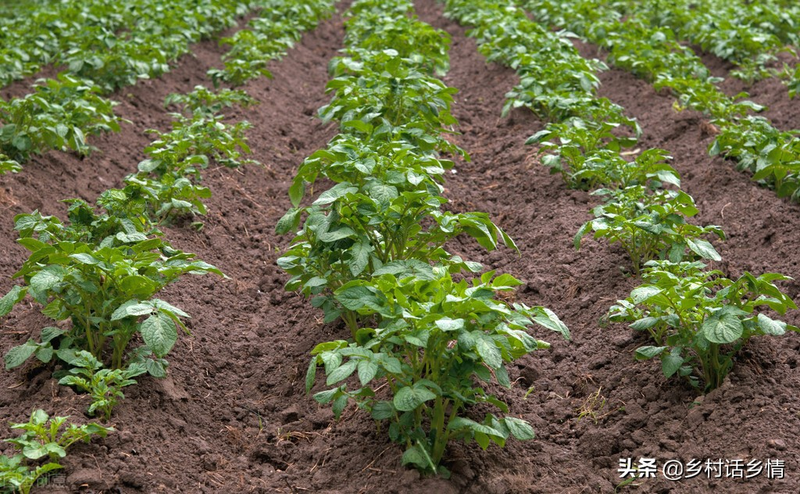
When the fatter is growing at a time when the melon and potatoes are growing well, i. E. In the medium term, at a time when the seedling is growing fast and the root of the ground is beginning to grow at the same time as the ground and the ground, and when the maximum amount of fertilizer is needed, the fatter one needs to grow for more than a month, depending on the strength of the ground and the strength of the seedling, before it can be applied, and if the seedling is not strong enough, then it needs to be followed up with the fertilizer, which is more suitable for compound fertilizer to promote growth on the ground and underground。
Three. Big fat
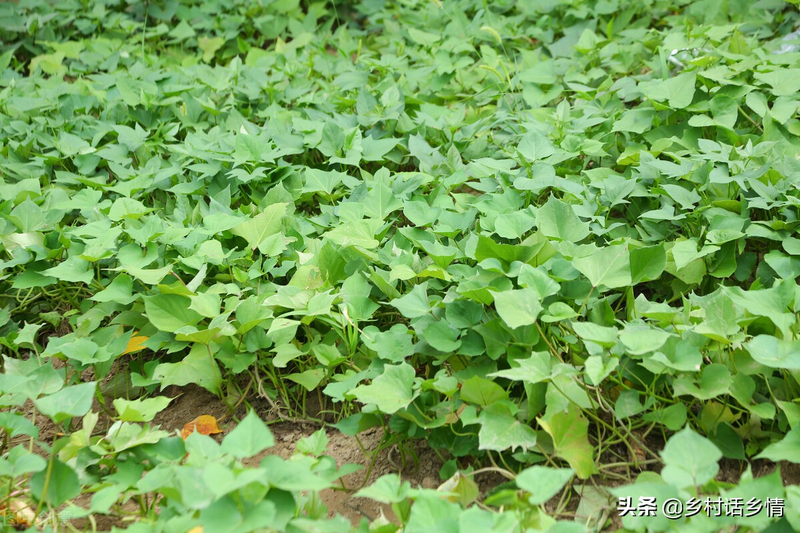
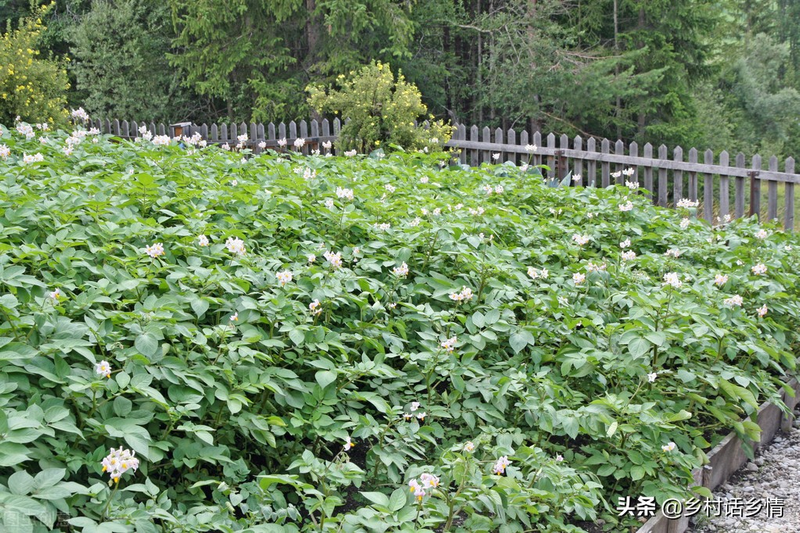
Fattening is when the root of the ground begins to grow and expand, with the melon generally growing more than three months after the planting and the potato blooming season, at which time the increase in fertilizer has had a significant increase in production. However, this fertilisation cut cannot be followed by nitrogen fertilizer, since melons and potatoes are crops that like potassium fat and should be increased, and generally for large areas of melons and potatoes, potassium sulphate, which, for small areas, can be followed by grasswood ash or fermented chicken manure at the root, because the melon and potatoes grow in the absence of potassium, although the seedlings grow in abundance, but the grasshoppers are small and small, as farmers often call them “runing”. Therefore, the addition of potassium phosphorus fertilizer is significant for increased production。
Four, noodles
The melon and potatoes have reached the beginning of the macabre growth and expansion period, as the vitality of the root system has been reduced and the capacity to absorb nutrients has begun to decrease gradually, affecting the absorption of leaf surfaces, at which point they will need to be fertilized, with the option of 0. 3 per cent of potassium phosphate or 3 per cent of calcium phosphate leachate, sprayed early and late, and sprayed again in 1 or 10 days. This can both control the growth of wild seedlings and increase production。
In addition, the conditional use of potassium phosphate or grass-grass leaching fluid during the cracks in the ground has contributed to increased production and expansion, particularly in cases of poor fertility and growth。
The cultivation of melons and potatoes needs to be done in addition to the four fertilizers above。
1. Landmelon slopes
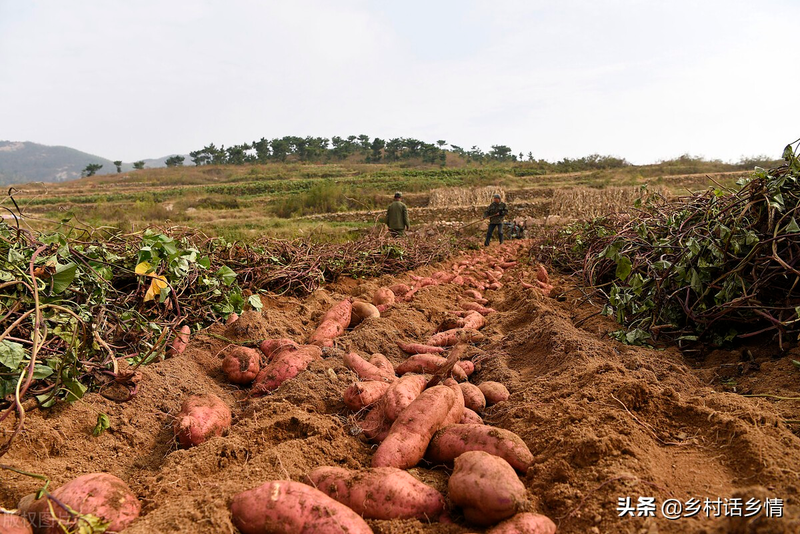
The impact of melon migration on yields is significant, whether it is flat or tilted, depending on soil quality, if the soil is fertile. It is good to keep water, and it is possible to flatten the fields of seedlings into well-drilled pits, and then to produce soil. The chips are not only much condensed, they are very productive and even in size。
If the soil is dry and fertility is not too good, it can be slashed into the soil with an angle of 45 degrees, which will facilitate root-laying and increased yields。
2. Potato seed
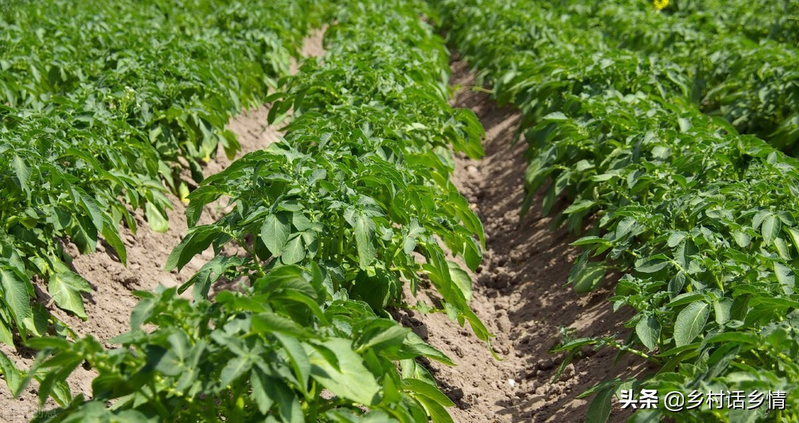
Although the potato is grown with only one potato seed, it usually has several seedlings once it is produced, which is a waste of nutrients and is particularly small in the form of chips. As a result, only two strong seedlings are kept once the potato is grown, and the rest of them are removed, so that not only is the seed grown so thick and the head of the potato is so big。
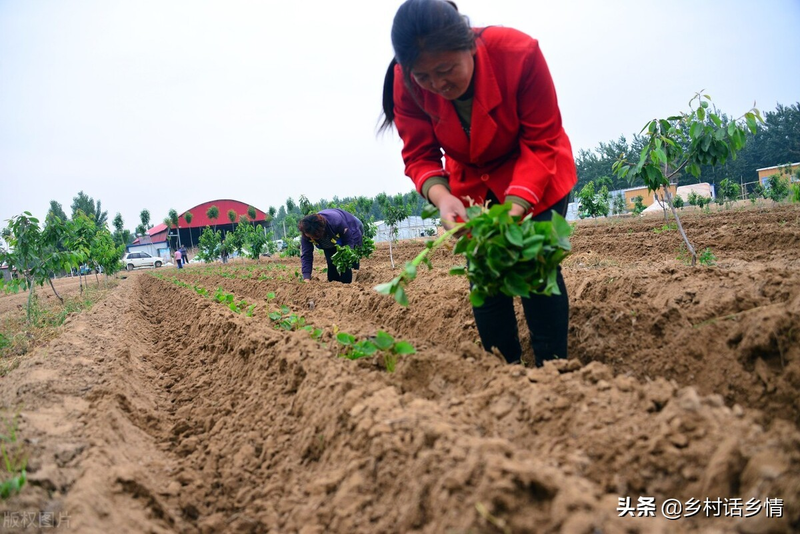
Farmers ' friends, when planting melons and potatoes, must pay more attention to the above points, to be fertilized and managed in science in order to achieve high productivity and quality。