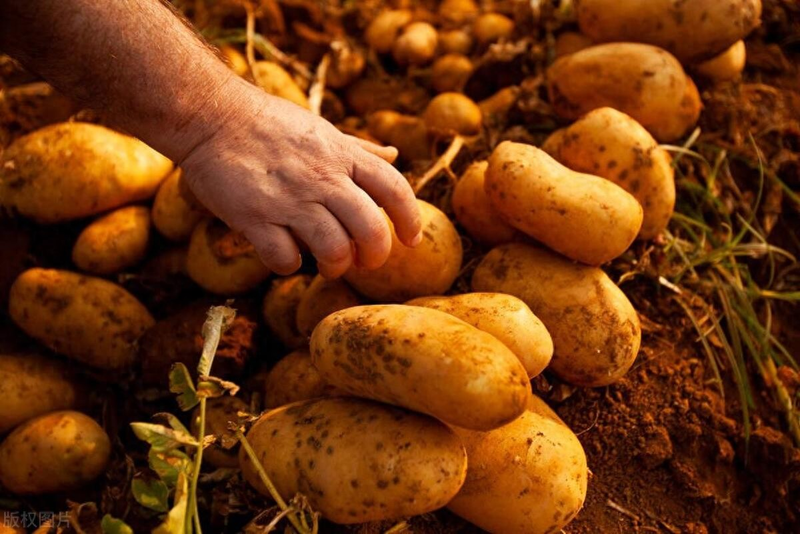
Potatoes, which are common to us in our lives, are a food-and-breed crop, which is popular among many because of its nutritional content, its plentiful mouth and its odour; potatoes, which are adaptable, easy to grow, short-lived, more productive, more durable and economically efficient, and are therefore a cash crop that many farmers like to grow; and, in the long-term process of potato cultivation, many people, based on production practices, have accumulated a wealth of experience in the cultivation of potatoes, as well as a lot of potato-planting techniques and tectonics in the hands of potato farmers, which produce high-quality and productive potatoes。
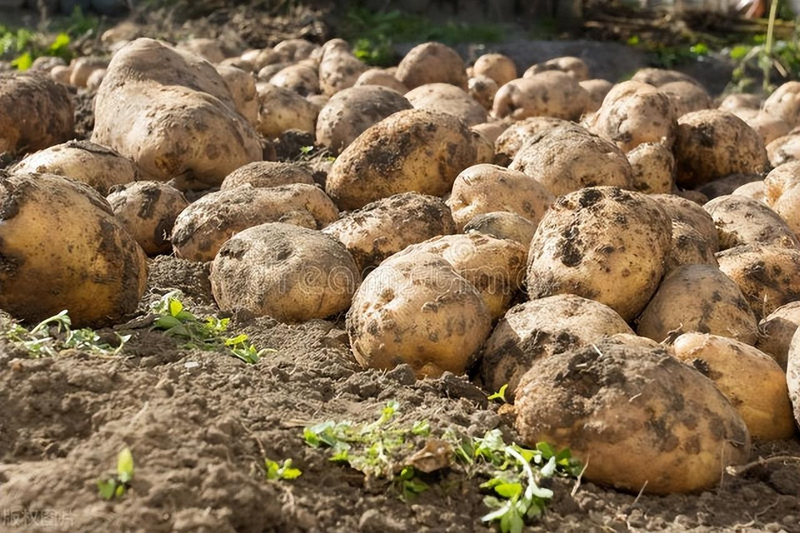
However, we have found that both traditional planting experiences and some new potato cultivation techniques are characterized by the defects of a more ploughing process; that the heavy-bed potato-breeding process is not only costly; and that, to some extent, it increases the cost of planting and the investment in management costs, and to a certain extent reduces the income of the potato farmers; in fact, the potato-breeding process does not have to be too cumbersome, without overloading the management effort and costs, and can produce high-quality potatoes。
For example, some potato farmers try to sum up an easy-to-do potato “soft” cultivation, which takes five steps to grow rich potatoes; “soft” cultivation, which is not the seed of “soft” people; and “soft” cultivation, because it is simple, simple to operate, and less expensive, which is a “enhanced” potato cultivation, so the potato farmers refer to this simple easy-to-do image as “soft” cultivation; and how to use “soft” cultivation to produce high-quality potatoes? I'll give you some details。
One, to the ground
It is a simple planting method, but the necessary planting links still need to be completed; for example, soil is the basis for the survival of potatoes and an essential element for the quality growth of potatoes and for the expansion of potatoes; therefore, the proper soil condition of potato cultivation, however simplified, cannot be streamlined; before the seeding of potatoes, it is necessary to replant selected fields; the potato prefers to grow and expand in deep, fertilized soil environments; and its soil is refined to provide a lax inter-soil environment for the quality growth of potatoes and for the expansion of potatoes。
Ten days before the seeding of the potato, the selected field soil will be exposed to a depth of 25 cm or so, followed by a tan for about 10 days; tanned soil will allow the deeper tilling of the soil in the natural environment, which will greatly help in regenerating the soil, improving its physics, promoting the activity of the soil for the benefit of micro-organisms and increasing the level of laxation of the farm soil; and tanned soil will also allow the light to tan off some of the infested in the soil, which will be significant in reducing the incidence of disease and pests in the development of the potato; after full tanning, the soil will be able to crush large particles of the soil through multiple tannings, removing hard matter from the soil, so that the soil will be as fine as much as possible to enter the seed chain。
Two, the bottom
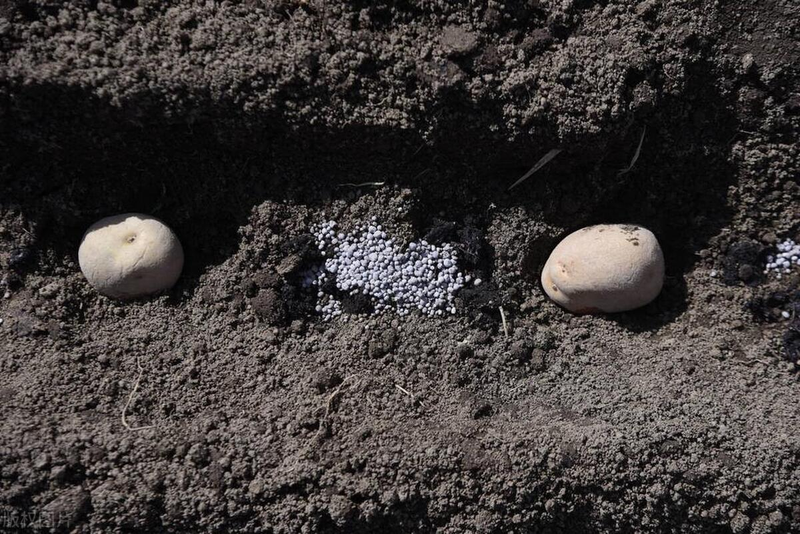
Potatoes are a crop that is thick in leaves, rich in potatoes, large in potatoes and growing in quantities; they require high levels of soil nutrition to meet their nutritional needs for high-quality potato growth and sustained potato expansion; they are also a fertile crop and a more fertile crop; they require much more nutrients than the average crop; and they are not subject to any form of fertilizer management throughout the whole fertility cycle because of the “slubber” method of cultivation; it is therefore essential that the bottom fertilizer required for the growth and development of potatoes be used for them before seeding them。
As a general rule, potato fertilizers grown using the “lacker” method are about one third more than those applied to the traditional method of cultivation; for example, bottom fertilizers derived from the “loft man” method are used as the main base fertilizers according to 3,500 to 4,000 kg of high-quality fertilized farmer fat, 150 kg of grasswood ash per acre; then 20 kg of ammonium carbonate + 10 kg of potassium carbonate + 10 kg of per phosphate per acre, and 50 kg of high potassium nitrogen-low phosphorus-based compound fat; and 50 kg of microbial fertilizers per acre can also be used for high-quality potato production if soil is poor。
Three, small potatoes
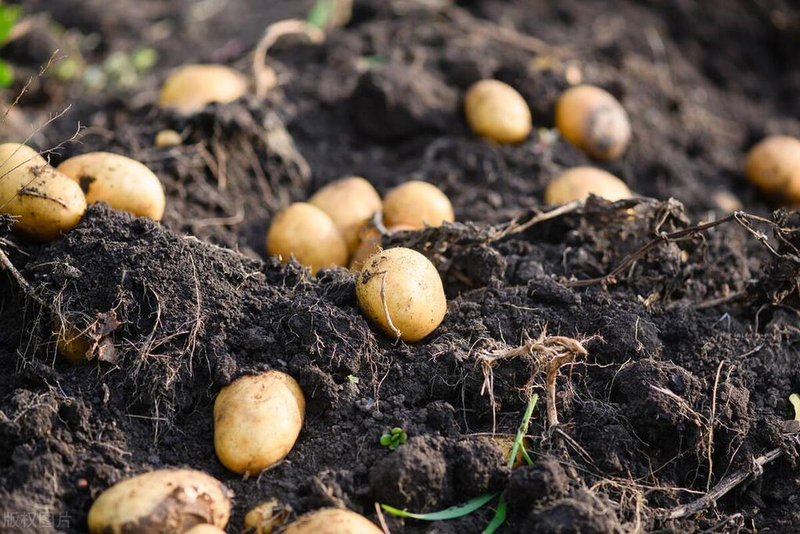
The cultivation of potatoes is a key element in the cultivation of the potato “lazy man”, the appropriateness of the selected potato species and the quality of the seeding of the potato have a profound impact on the quality and high yield of the potato grown by the “lazy man”. As a result, local potato farmers should grow according to local climatic conditions, soil and soil conditions, aqueous environment, local consumer tastes and market preferences; suitable varieties with high productivity potential, disease resistance and resilience should be selected。
Moreover, potato seedlings, which are grown using the “lazy man” method, are generally not subject to seeding, but are only used to carry out timely seeding activities during a warm period; the single weight of the potato is usually no more than 50 and no less than 20 grams; such small and medium-sized seedings do not increase the cost of planting, but are also better prepared to maintain sufficient nutrients for seeding and seeding of potatoes。
Therefore, it is not appropriate to be too big or too small for the choice of seeding; to avoid the seeding of potatoes into the field, so as to avoid the seeding of potatoes and the infestation of pests; it is therefore necessary to disinfect the seeding of potatoes before sowing; for example, the selected seeding plant is immersed in 50% of the polybreeding 500 times thermal fluids for 30 minutes, then taken out and dryed in the cooling ventilator before entering the seeding。
Four, flat air
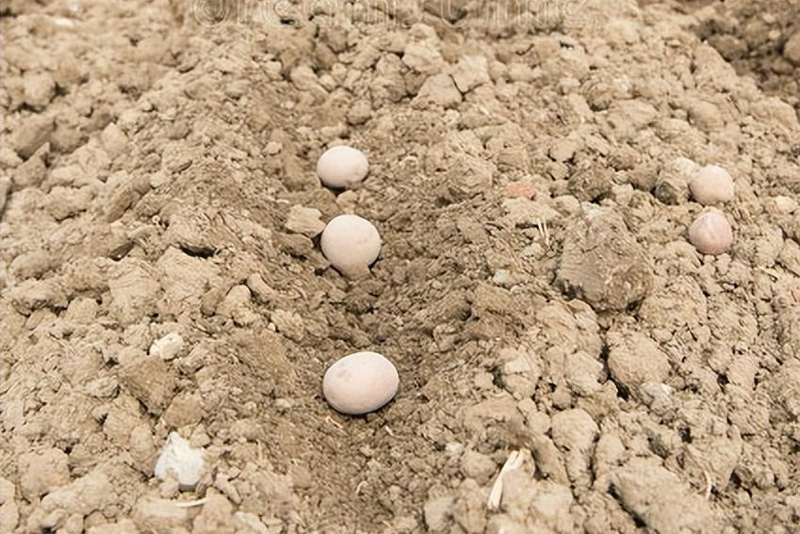
The essence of the potato “lazy man” cultivation is demonstrated by the fact that potato seeding does not have to take place at the same height as traditional cultivation; the potato grown by the “lazy man” only needs to be sowed on flat grass with the planned distance; it can be sowed at the range required by the variety; however, the distance is assessed as appropriate in the context of the planting season, the climate environment, soil conditions, species characteristics, and strains。
For example, potatoes that are grown in size can be planted at a density of between 70 and 80 centimetres, 25 to 30 centimetres, 30 to 35 centimetres, and an acre of between 4,000 and 5,000 pieces, with a planned downward seeding of potatoes, while the density of the symmetric planting can be carried out at a planned density of between 60 and 70 centimetres and 20 to 25 centimetres。
In short, the density of potatoes grown by the “landing man” method, which combines traditional cultivation density, can be determined with flexibility; in addition, the potato grown by the “landing man” method does not require a deep sowing as is the case with the traditional cultivation of potatoes, so that the seeding can be buried at a depth of 3 cm into the soil; and the “landing man” method allows for the shallow sowing of potatoes。
Five, many times
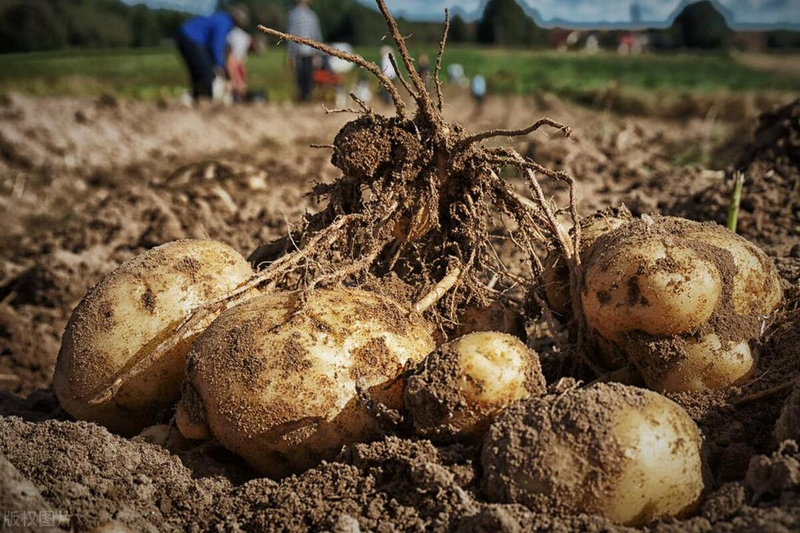
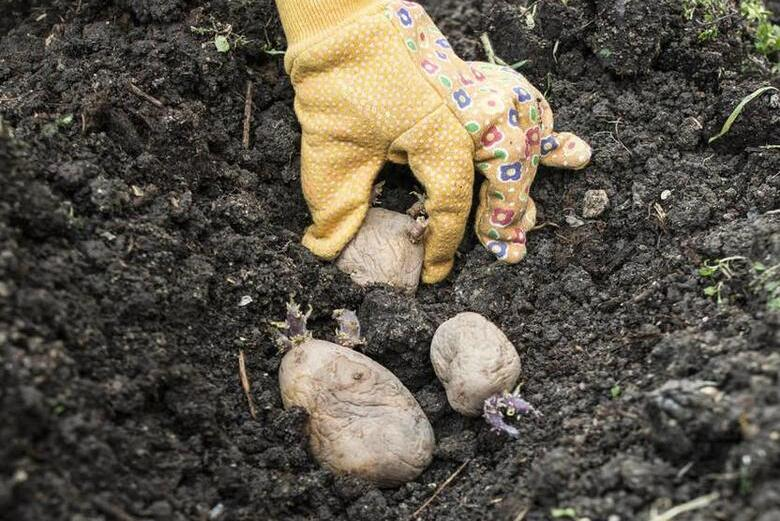
The main purpose of the potato cultivation by the “slugger” is to create a sufficiently long underground master of the potato by means of a number of earth-breeding acts; since any branch of the main tubing can be derived from several subsurface branches, which can also be converted into masons that can produce potatoes; and as a necessary condition for the creation of a mast and a basis for the production of potatoes。
In other words, the longer the principals, the larger the number of subterranean tubers, the more the subterranean branches are derived, the more likely they are to be converted into mashed potatoes; if the potatoes are to be much more condensed, the greater the number of masts that are produced; and the subterranean branches, which are transformed by subterranean branches, are derived from the subterranean principal node; thus, the acquisition of a sufficient number of subterranean truncts is generally achieved through deep planting and multiple soil cultivation。
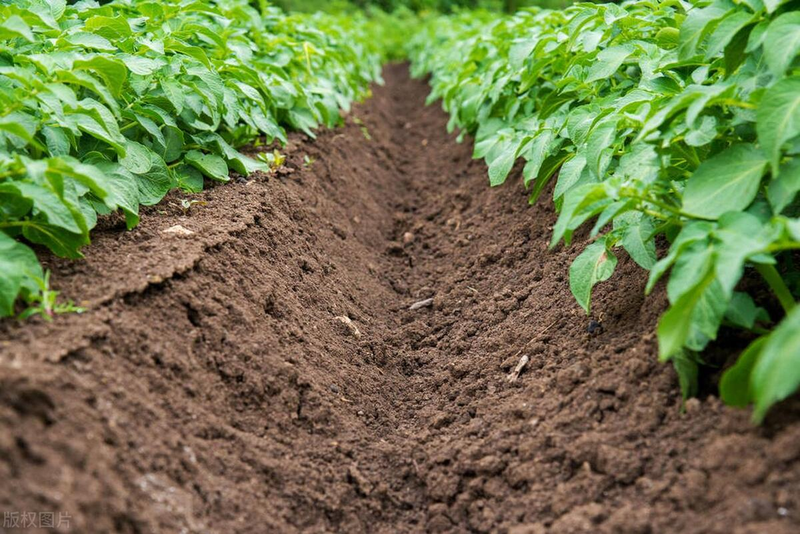
And the potatoes grown by the “sluggers” require shallow cultivation, because of the depth of the potato established by flat-spill cultivation, the poor laxity and permeability of the soil in the deeper ploughing areas, and the inability to provide a lax inter-root soil environment for the high-quality growth of potatoes and masturbation of potatoes; therefore, the “slubber” cultivation of potatoes can only be grown shallowly on the flat surface and can then, through numerous earth-breeding practices, create an inter-sultaneous soil environment for the high-quality growth and expansion of potatoes, and acquire sufficiently long ground masters to create enough reproductive bodies for the polyms; and, at the same time, it is possible to avoid the emergence of green or green potatoes from the soil。
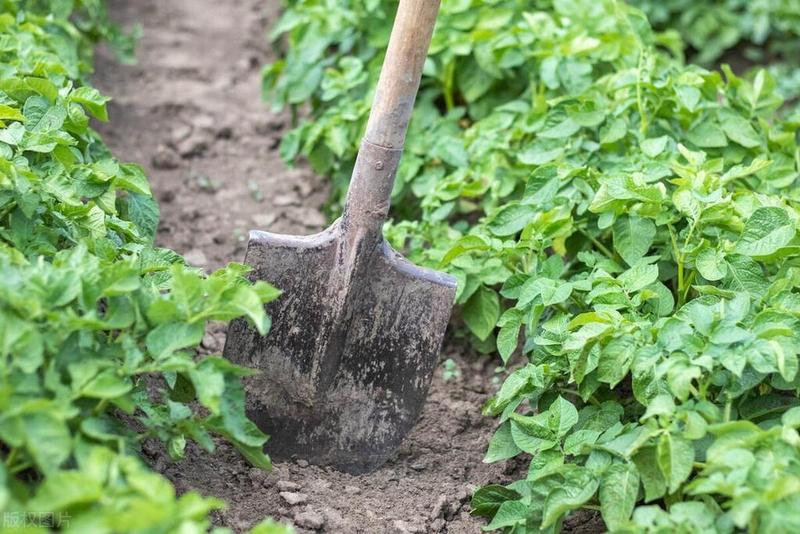
The potato grown by the “lacker” is grown for 15 days or so, i. E. From seedlings to three to four leaves; the second is carried out during the potato-bearing period, the third is carried out during the potato-bearing period, and the fourth is carried out after the flowering period, i. E., when the potato starts to produce large amounts of potatoes; the first is suitable for 8 to 10 centimetres in the thick layer; the second is suitable for 6 to 8 centimetres in the thick zone; the fourth is suitable for 4 to 5 centimetres in the thickness of the soil; and the fourth is suitable for 3 to 4 centimetres in the thickness of the soil; the fourth is ready for earth-drawing if the potato comes out of the soil during the period, so as to avoid the loss of the quality of the potato mass; in addition, it is possible to carry out an earth-caping activity every 15 to 20 days, depending on the actual size of the potato during its growth。
Overview
Potatoes are a common form of gardening in our lives, which many farmers like to cultivate; many potato farmers can grow high-quality potatoes with the skills and experience they have in their hands; however, traditional cultivation of potatoes can be carried out with the disadvantages of over-leaving the tubing process; sprouts can increase not only the costs of planting and management, but also the benefits of planting lowly; in fact, they can also grow high-quality potatoes by simplifying the tubing process; for example, there are potato farmers who, in practice, sum up the technique of “slipbering” potatoes, which can be grown only five steps in order to produce productive potatoes; these five steps are, in the form of ground-scaling, foot-scaling, small-scale potato-sowning, flat-burning, multi-scale cultivation; and the practical testing of this simplified potato-planting technique is simple, low-impact, productive, and can be used or attempted。
# the article starts the challenge game #