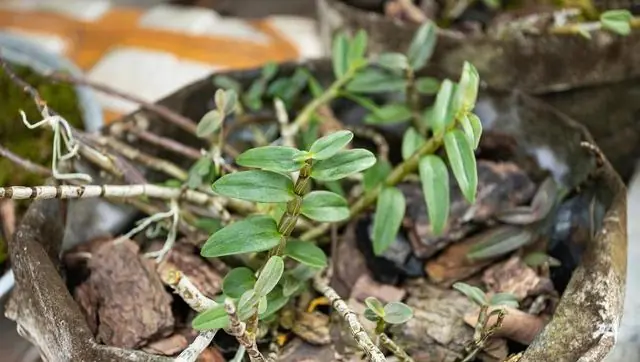
Home farming methods for iron and stone platinum
How to plant iron and stone in the house
Iron platinum is a precious herbal medicine with unique medicinal and visual value. The planting of iron and stone in the home not only serves to decorate the home, but also to provide health care. However, the cultivation of iron platinum is not easy and requires some skills and methods. We'll give you more details on how to grow iron and stone at home。
I. Selection of suitable planting environments
Iron platinum is first grown in a warm and wet semi-vaginal environment, so if you want to plant it indoors, you must start by imitating this ecological environment. It was important to select a well-ventilated space with dispersed light. Avoid direct sunlight to avoid damage to plants. At the same time, keep growing environments above 65% humidity。
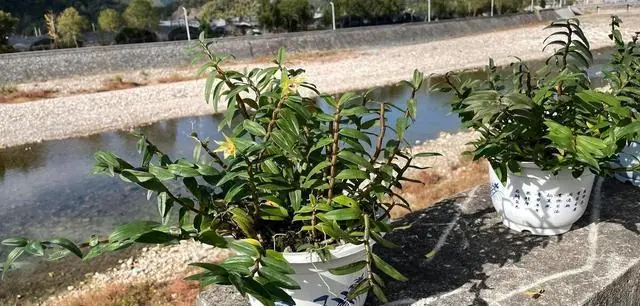
Second, prepare a suitable plant。
The roots of the iron platinum are special, and they like the gaseous matrix. Therefore, when choosing a flower basin, it is preferable to choose a ceramic or a tile flower basin, which is air-breeding and helps to breathe at root. In the case of soil cover, the use of common garden cover should be avoided and the laxation, air penetration and water intake matrix, such as quarries, pine phosphorus, pearl rock or charcoal chips, should be chosen. These materials can be used individually or in combination with the growth of iron platinum。
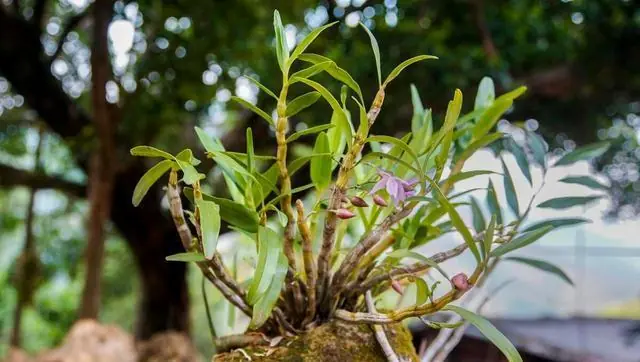
The temperature requirements for the platinum are high: the optimal growth temperature is 18-28 degrees. When summer temperatures are high, cooling measures such as sunshield and watering should be taken, while winter needs to be warm to prevent plants from freezing because of cold temperatures. It is also important to maintain humidity. This can be increased through regular watering and the use of humidifiers。
Iron platinum likes a wet environment but is afraid to accumulate water. The application of the principle of " dry and wet " , i. E. Until the soil is dried up, should be followed in order not to cause the root to rot. During the growing season, the frequency and quantity of water can be increased depending on the growth needs of plants. At the same time, iron platinum is less demanding for fertilizers, but moderate fertilization helps them thrive. The option is to apply decomposed organic or specialized fertilizers, with attention to thin application so as not to overburn the roots of heavy fertilizers。
Iron platinum is prone to pests and pests during growth, such as anthrax, foliage and aphids. When symptoms of disease and pests are detected, timely measures must be taken to combat them. Diseases can be controlled by cutting leaves and spraying corresponding microbicides, while pests can be controlled by natural enemies or low-toxic insecticides. Maintenance of clean and ventilated areas is also an important prevention measure。
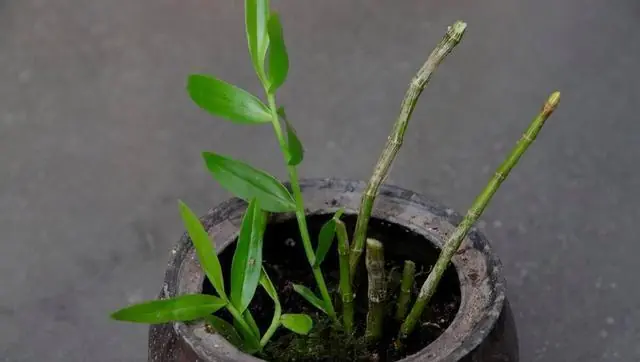
Indoor cultivation of iron platinum can be carried out using the following methods of reproduction: incubation and separation. Plugs shall be selected for non-facing, full tubing, and shall be cut in several segments, placed in a mixture of moss and peat and placed in a semi-vaginal, wet environment to wait for roots. They can be carried out in a flower basin, or they can be divided into many small seedlings and grown separately。
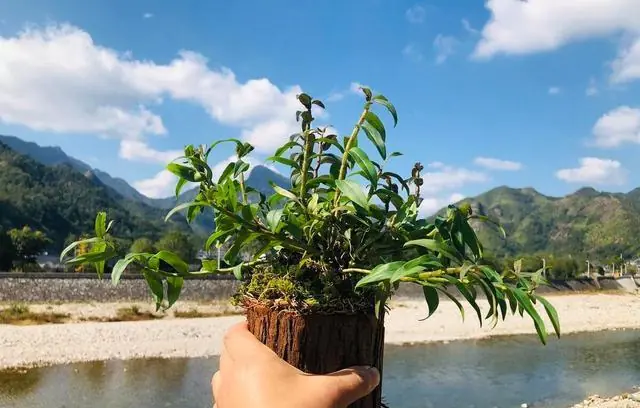
Avoiding direct sunlight: ironstone is afraid of strong sunlight, which should be placed in areas where there is plenty of dispersed light。
2. Maintenance of ventilation: a well-ventilated environment helps to reduce the incidence of pests and diseases。
3. Periodically replace flower basins: as plants grow, they need to be replaced periodically to give them more space to grow。
4. Observation of plant growth: periodic monitoring of plant growth in order to detect and intervene in a timely manner in the event of anomalies。
In short, the indoor cultivation of iron platinum requires certain skills and methods. It is possible to successfully plant healthy iron platinum in the interior by selecting the appropriate planting environment, preparing the right pelvis, controlling temperature and humidity, ensuring proper water and fertilization, and controlling pests。