# the good-quality text-incentive program # # once it's over, friends of many varieties start to grow garlic. #。
It looks like simple garlic, but it can't be too casual -- it's grown by people who have no garlic, and it's grown by people who have little and little petals, mostly without critical skills。
The old generation used to say, “deep onions, low on the ground”, “tough on the ground”, which is a practical experience, and with a few more practical details, the garlic that is grown can be big and productive。
Today i'll share the dry stuff, whether it's a balcony plant or a field plant。
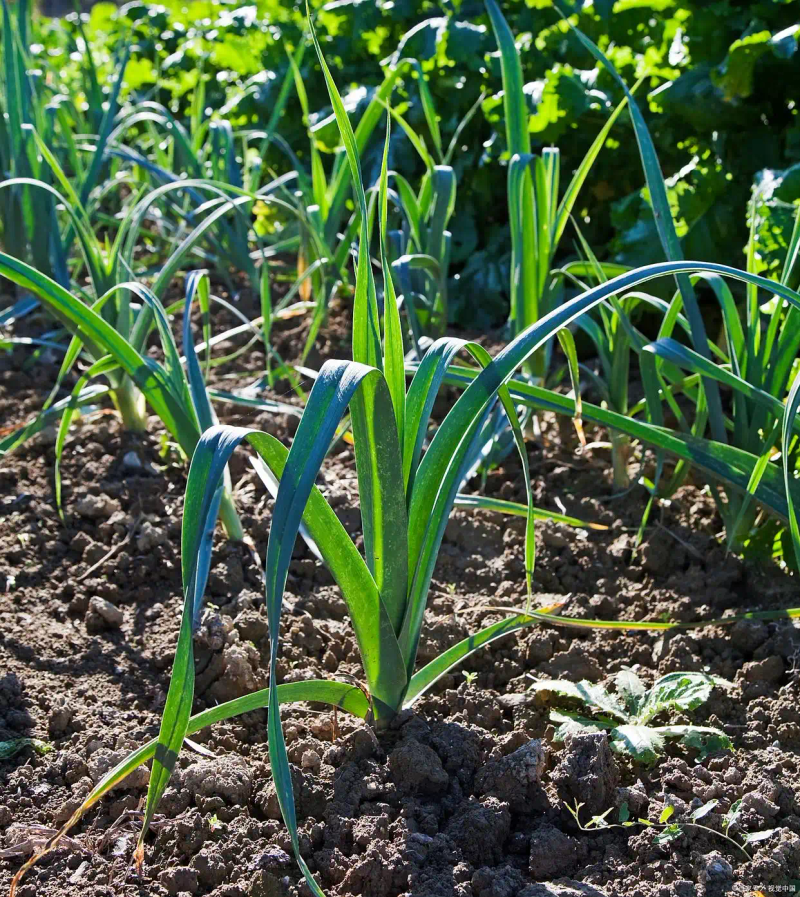
I. Time frame for planting: buick's “august and a half” death period, with a much better temperature
In the old saying, "since august, half-august, half-august" means around august 15th, when temperatures are higher than 15-20°c, which is the right place for garlic to grow. However, climates vary from place to place and cannot be fully dated, depending on the actual temperature。
The northern region, which usually cooled from mid-september until early october, was growing, for example, in the north-east and north-west, not later than october 10th, or would have grown into winter in the absence of a seedling; the southern region, which had high temperatures, could have been postponed until mid-october until early in november, such as south of the yangtze, where high temperatures were planted early, and garlic was easily smoked early and affected garlic development。
There is also a simple way to determine the timing of planting: the surface temperature of 5-10 cm can be stabilized at 15-20°c. If the temperature is too high, the garlic can be grown in a bad way; the temperature is below 10°c, it is slow to germinate, and it is not well established. In addition, it would be preferable to look at weather forecasts before planting, avoiding continuous rainfall and selecting clear or cloudy species to prevent soil sapling。
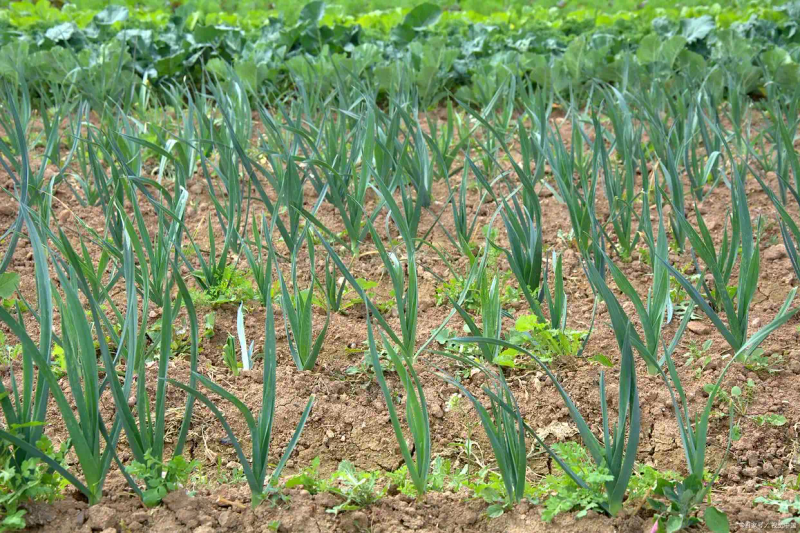
Bearing in mind the “substantial plant core: 1 - 2 centimetres of topsoil, no “deep plant” wrong
The two old words of "deep and shallow" are the key to garlic, and that's the secret of many people。
Garlic is not the same as onions, where onions are grown for onions, while garlic is grown in shallow soils, and if it is planted too deep and the soil is in poor aerobic, the garlic is held in the earth for little or even little. The right thing to do is to plant the plume of garlic petals up, and then plant them into the soil, and cover up to one or two centimetres of soil -- so thin that they cover the garlic petals that they are not buried too deep, even if there is a small amount of it that shows up, and when the soil is sunk, it will be covered。
When the soil is planted, the soil will be slightly suppressed with a shovel or a wooden board, or the foot will be stomped, so that the garlic and the soil will be in close contact, so that the roots will be established, and the garlic will be prevented from sprawling, so that it will not bend or fail. In the case of pelvis, water will be poured again after repression, and the soil will be better suited to garlic。
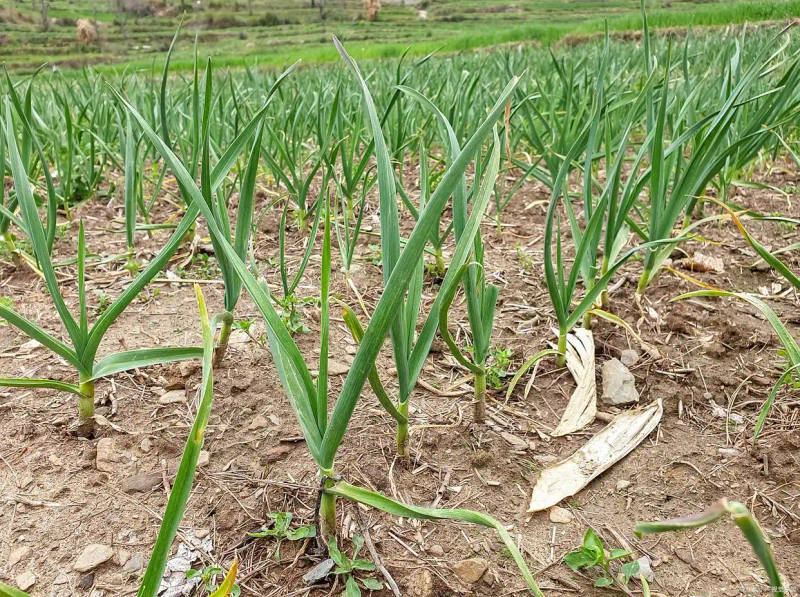
Garlic treatment + bottom fertilizer: these two steps are done in the previous period, at reduced cost in the later period heart
Garlic is long-lived and, after a full winter, pre-manufacturing garlic treatment and bottom fertilisation directly determine the strength and size of garlic。
1. Selection and processing of garlic
When choosing garlic, you have to pick out the smallest "peal bud" in the garlic. Except for the fact that the garlic can grow weak, have insufficient nutrients and do not grow garlic later. Picked garlic, skin it into a single petal (don't rip the skin off the garlic, it'll protect itself from disease) and then sprouts or blends:
- drumbs: domestic planting can use refrigerator sprouts, placing garlic petals in the conservatory layer (temperature 5-8°c), one-two days of awakening hibernation, followed by a one-day drying in the cooler ventilated ventilator, which can then be quickly sprouts
- ploughing: if you are worried about pests and pests, you can dilute them with blends (e. G., aphids, polybs) and immerse the garlic in them for 10 to 15 minutes, dry them up and plant them, and protect them against underground pests and root diseases; if you are concerned with the plaster, you can also plant two or two grasswood ashes per pound of garlic, which is both disease-proof and supplements potassium fat。
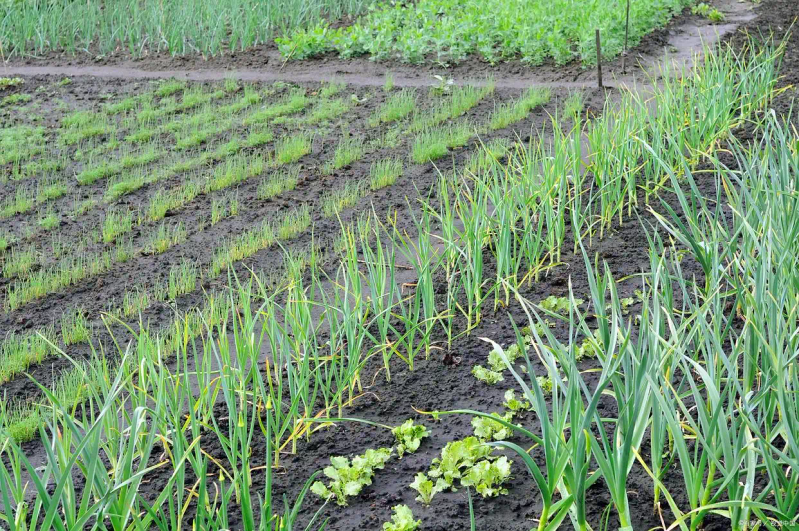
Bottom fertilizers, soil decomposition
Garlic fertilizers, especially bottom fats, are to be used before planting. If the land is planted, then the land is pinened (20-25 cm depth) and then fertilized organic fats, such as chicken dung, sheep dung, spread between 2000 and 3000 kg per acre, mixed with 50 pounds of compound fat (15-15-15) of nitrogen phosphorus) and smoothed back and forth; if the plant is ploughed, the ground + leaf + goat dung mixed at the 3:2:1 ratio, soil laxity and nutrients, avoiding the use of pure garden land, can easily be grounded。
If the soil is dry at the time of planting, whether the soil is planted or the plant is planted, it is necessary to water the soil once it has been ploughed, so as to prevent garlic from taking root and growing due to the drought。
Iv. Post-run to pre-winter: 3 management details to preserve and promote seedlings
When garlic is planted, it does not wait for seedlings. From sowing until winter, the management cannot be relaxed. Otherwise, the garlic will not grow。
The first is weeding after seedlings, with garlic coming out, the soil surfaces are prone to weeding, with timely artificial extraction, without herbicides (which are not recommended for family planting), and with weeding at a shallow pace, avoiding the injury to the gravitational roots of garlic, which are shallow and can affect nutrient absorption。
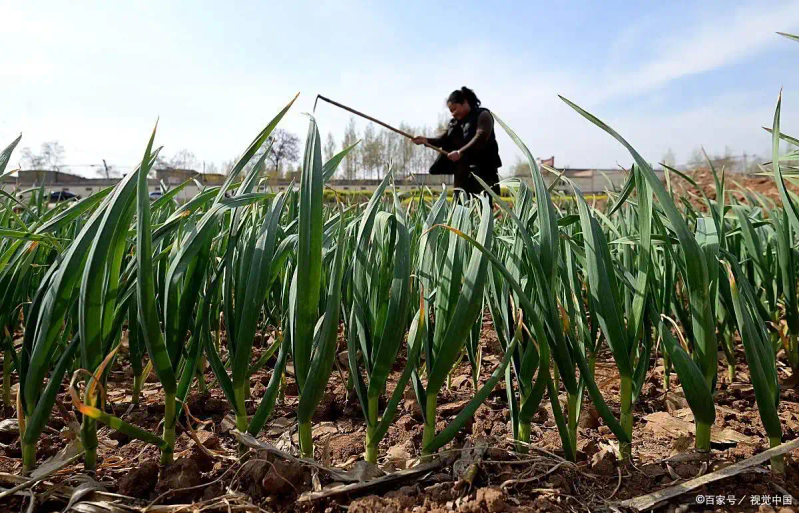
The second is pre-winter watering in the northern region at the end of november (at about 5°c) and in the southern region at mid-december a “winter water” is to be poured over the garlic, which increases the soil and reduces the frost, and slows the garlic to grow in the winter; if the membrane is to be planted, the membranes are to be examined after winter water has been poured, the ground is to be pressed in damaged areas to prevent cold winds from entering。
Finally, pre-winter cover in the north, with temperatures below 0°c, covered by garlic before winter, using straw, straw, three to five centimetres thick, or covering the membrane (the membrane is to be white and transparent and luminous), covering the membranes in a timely manner, breaking the membranes and removing them from the membranes in order to avoid high-temperature burning; in the south, if the temperature is not less than 5°c in winter, it could not be covered, but attention must be paid to draining behind the rain to prevent soil from decomposition。
It's easy to plant garlic, and it's hard to get the details in place — to find the time, to plant the ground on the ground, to make garlic and bottom fat, to keep up with the pre-winter seedlings, every step of the way, and to get a big, garlicy garlic when they harvest next year. It's not like you need to pursue a complex approach, and you need to combine it with old experience。
I'm a natural farmer, an 80-year-old farmer who likes to grow vegetables and chickens, thanks to your reading and your company, so let's grow our food with ease and joy