


Temperature management:
Tomatoes are closed up within 5-7 days of planting, promoting slow seedlings. The temperature is controlled at 25°c-28°c during the day, and if more than 30°c is to be ventilated, the temperature is 20°c-30°c during the day and not less than 12°c at night; during the outcome period the temperature is 22°c-30°c at day and 12°c-17°c at night. In the middle of the day, because breathing consumption is greater than photocosm, the greenhouses accumulate large amounts of harmful gases, so that at more than three days in the middle of the day, one or two hours at noon, depending on weather conditions。
Humidity control:
In general, the relative humidity of the air during slow-growing periods is maintained at 80-90 per cent, 60-70 per cent in the pre-growth period and 50-60 per cent in the outcome period. When the humidity is greater, especially after the water has been poured, it is applied in a timely manner. Wetnessing is one of the main causes of tomato disease, and it is therefore recommended that an integrated approach to water fertilization with a drop in the membrane can result in a significant reduction in the shantytown moisture while also reducing the input of fertilizers and reducing production costs。
Whole leaf harvesting:
Recommendations 4-5 are timely and promote early expansion. It is also necessary to remove the lower, old and dead leaves from the plant in time to promote ventilation and reduce the incidence of diseases。
Precious fruit:
The use of tomato convulsors to pollinate is recommended for the flowering of spring tomatoes. The pollinator will be lightly placed on the sacrificial handle for 0. 5 seconds, with the optimal time being from 9 a. M. To 11 a. M. And at least three times per week. The introduction of convulsive pollinators can both increase the rate of sitting fruit and promote the formation of tomato seeds, with a significant increase in production, while avoiding the harm caused to tomato strains by the spraying of agents such as sit-ins, and reducing malformations。
Fertilizer management:
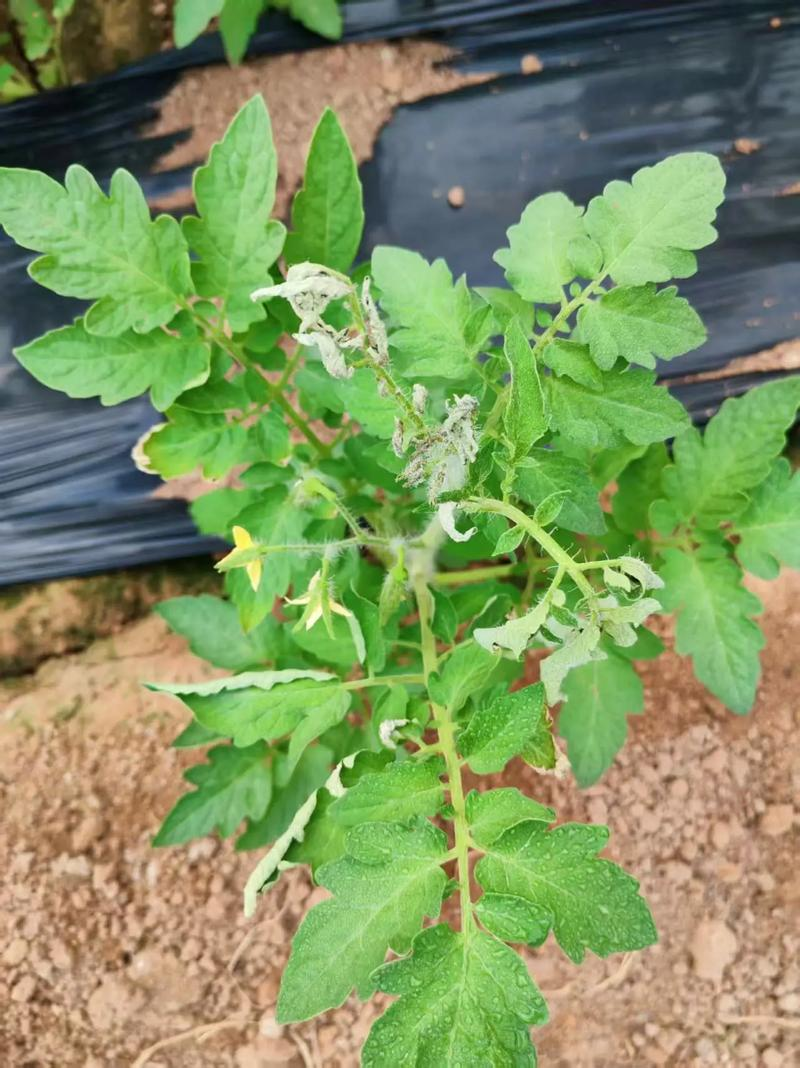
Fertilizer management is generally carried out before the fruit swells, and 5-7 days before the harvest of the fruit ceases watering and fights the fissures。
Photomanagement:
After june, when the midday temperature is too high, suitable shades are used to reduce the temperature in the shed, usually for 2-3 hours depending on weather conditions。
Pest and pest control:
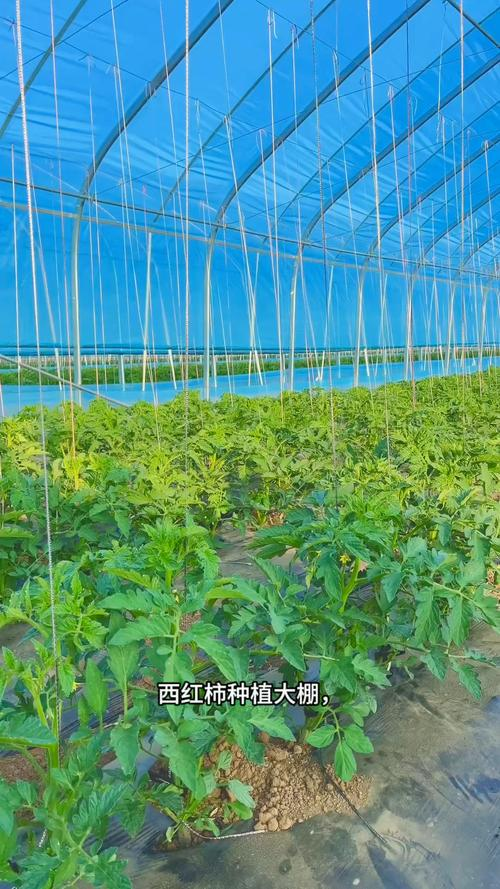
The principles of “agriculture, physical, biological and chemical” should be adhered to. (c) the timely removal of heavy strains, the removal of leaves and the bringing out of the sheds for burning or burial. A rational combination of garlic and tomato-accompanied cultivation can reduce the occurrence of soil and root diseases. Aphids such as aphids, white lice, smoke lice, peckers and cotton bells can also be prevented from entering by hanging yellow sheets against aphids, hanging blue sheets against sarcophagus and covering 60 worms in a large shed or greenhouse vent. In the event of a disease, high-efficiency, low-temperature and short-lived agents should be selected for treatment。
Chen shui



