The territory covers a total area of 1450. 2 square kilometres, 115559 hectares of agricultural land and 75929. 98 hectares of arable land. The four seasons are clear, the sun is full, the annual average temperature is around 15. 3°c, the annual precipitation is about 653. 3 mm, and the frosting period is about 187 days。
In line with the actual development of the rural sector in fong county, the agricultural industry has been significantly restructured so that the resource advantage of fong county can be transformed into an industrial advantage, based on the unique climatic conditions of fong county, soil conditions and the need for industrial development, and at the same time the national strategy has been adopted to graze potatoes into flour and make them a staple food, such as flour, flour and rice, which will become the fourth staple food in addition to rice, wheat and maize. Taking advantage of this strategic opportunity, the development of a green and high-quality potato industry, combined with a real advantage, is imperative, both in terms of food security strategies and in terms of increasing farmers ' incomes. As agricultural technologists, it is also important to explore high-yielding techniques for green and high-quality potatoes in the county。
1 varieties selection
The suitable potato varieties in the tonzhou area are dominated by the netherlands15, as well as the netherlands7, morning white, atlantic, xinx 3, netherlands 806, netherlands 803。
2 potato processing
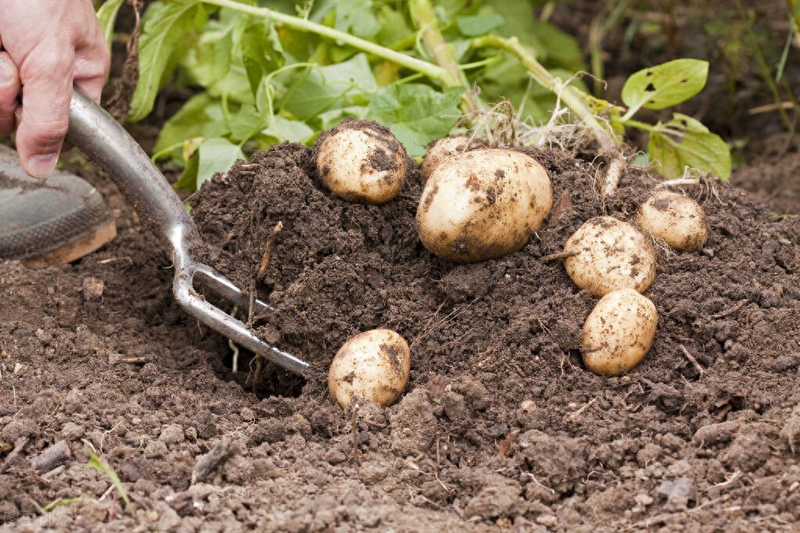
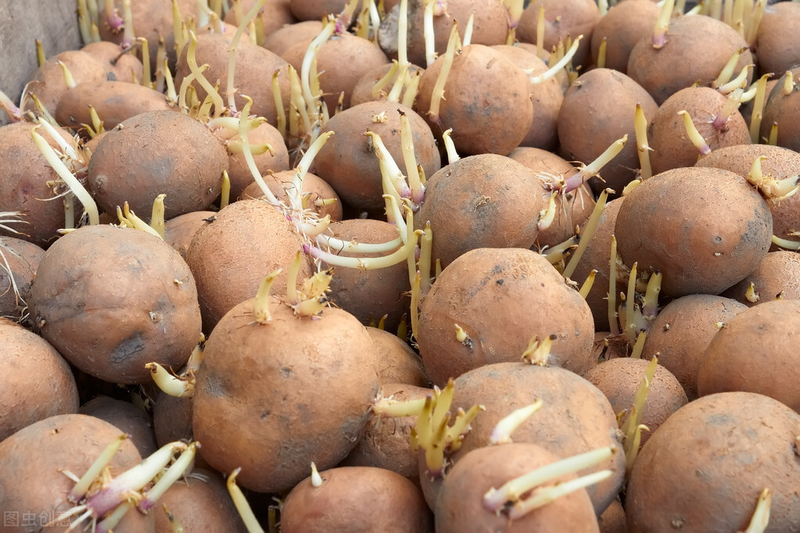
2. 1 select to grow potatoes with no pests, no frostbite, smooth appearance, fresh, medium size chips. Chewing, decomposed, deformed, budding and rough-faced chips should not be planted. Pick about 75 grams of chips for good. The minimum should not be less than 15 g, i. E. 125 to 150 kg per acre. High-yielding land can reach over 300 kg。
2. 2 the cut-off must be strictly disinfected. The method of disinfecting the knife is varied, i. E. It is impregnated in boiled salt water and then replaced with it, or it is eradicated with a firebracket; the second is the treatment of chemical agents, which can be used at 75 per cent alcohol, 0. 1 per cent potassium permanganate, 0. 1 per cent detoxin, and dixisone, among others. In terms of sterilisation and elimination of strains, it is summarized as “one look, two go, three go, four go”. At first sight, the minor cassava can be rinsed; at second instance, the technician or experienced person can check for the disease; at third, the examined body parts are cut; and at fourthly, the cassava is found in the slices to be disinfected with medicine. There is also a simplified procedure, i. E. Every cut. After careful sterilization, the incidence can be reduced to 0. 1%。
In order to cut apart the chips, they are to be spread evenly, and to take full advantage of the growth advantages of the top of the budding eye, such as the size of a potato, they need to be split several times, as close as possible to the bud of the top。
3 drumbs
Precipitating is the choice of plastic sheeting, etc., to improve the temperature of the earth. In late february and mid-march, hotbeds should be used to select high, wind-free, water-defeating and smooth locations. The small and large size of the seeding is suitable for one layer, which is not enough, and the three or four layers may be stacked, but may not be thick enough to prevent sprouts. It's three to five centimeters. Early spring temperatures are low, covered, less evaporated, less draught and less draught to avoid the decay of chips. At the start of the sprouts, the temperature can be as high as about 25°c, then contained at 15 to 18°c, not too hot, either to prevent the gravitation of the potatoes and, at the second, to cause sprouts at high humidity。
4 selective fertilization
4. 1 land block selection. (c) land mass or sandy parcels requiring defusing. One is the high aerobics of sand, high temperatures, high temperature differentials, favouring the absorption of potassium, increasing the potassium/chlorine ratio so that the metabolic level of the plant remains strong and growing at all times, and early potatoes: the second is the low resistance of the defusing soil, which favours the expansion of the chips; third is the rapid expansion of the chips due to photocosm, but the scalding of the soil, in turn, cannot be accompanied by an expansion of the reservoir, and the laxation of the soil resolves this contradiction。
4. 2 fertilizing the whole area. If so, it would be preferable for the land to be cultivated deep in the winter and to pass through the frozen soil, so that the soil can be eased. Because of the 9 per cent increase in the volume of water ice, the squeezing of the soil through the ice becomes exceptionally loose, which is the most effective way to make the soil loose. It is generally desirable to have a depth of 23 to 24 cm, and to reach 33 cm in areas where conditions exist, so that the cropping layer is deepened and no new soil is brought up to the top of the ground. At the time of the experiment, it was common practice to plant double-barrel tall plants with a width of 50 to 80 centimetres, with significant productivity gains。
With short fertility periods of either one or two sets of potatoes, which are unsuitable for the use of long-acting fertilizers, more than 80 per cent of the nutrients absorbed by the plant originate from the base, so the potato fertilizes mainly with organic fertilizers, supported by inorganic fertilizers, or supported by the principle of base fertilizer。
5 seeding
5. 1 early seeding. The low birth duration of spring bells in the two seasons is a major factor influencing production. Years of testing have shown that the average temperature in the lower part of the yangtze river reached about 5°c in february, and that it was not frozen until mid-february. Early seeding, although not early, is conducive to root growth in low-temperature conditions, with a small number of early-emergence and low-temperature resistance, even if the seeding is endangered by nightfall, the root is unvictimized, and the seeding is still early。
5. 2 seed density. Potato is grown mainly in two-way high-strength cultivation, with 70 to 90 centimetres and 10 centimetres and 25 to 30 centimetres and triangles, with more than 6,000 plants per acre. This method of planting is larger, and the ventilation is more likely to produce land many times, with large and high yields. In order to obtain a high yield of potatoes, consideration should be given to increasing the distance and ensuring a certain number of principals when considering the method of planting. This contradiction is overcome by the promotion of bushing, increased broadcasting, and the increase in the number of principals, while expanding the distance. Widening distances and improving growth conditions will take advantage of the high productivity of single farms and ensure that the number of principals will take advantage of the high productivity of the population。
(a) to maximize line spacing (which can be zoom in to 50-60 cm), and the benefit of reducing the distance accordingly is that when a tree is released, it is not closed, resulting in the yellowing of the lower leaf and a shorter functioning period for the leaves; the second is the promotion of ventilation and the increase of light intensity: the third is the development of soil, with small distances. It's not easy to operate, and it also affects the runners and the potatoes。
5. 3 methods of seeding. Zirconium is the main object, with 12 centimetres deep in the upper gutter, cutting up the seedlings by size, covering 3 to 5 centimetres from the southern side, with sand slightly thicker than it should be。
The presence of windshields in the north to prevent northern wind intrusion, which can be mixed with sufficiently decomposed human and animal dung and grass and ash in the covered soil, can increase both high temperatures and early seeding and fertility。
Since the temperature is still low in february and march (below 10°c) and the gestation of chips is 12 - 18°c, the high temperatures allow for early seeding. The membrane cover is very good, with an estimated one pound per acre of the 0. 015 mm thick membrane. The ground must be levelled, covered, covered, covered, and the temperature increased. After seedlings are released, the membranes are broken in a timely manner, and the seedlings are improved in their resistance to freezing through cold exercise。
Extra chips are temporarily planted as seedlings for replanting at appropriate locations. The field management of early-spring potatoes is a “early” word, with consistent principles of early onset, medium-term stability and late-dryness; early pursuit of fatty before flowering; early cultivation of soil; and, after flowering, watering by looking at the sky, looking at the ground, looking at the seedlings, preventing the growth and early decay of water from the moisture and nutrients, and maintaining a watery nutritional balance。
6 field management
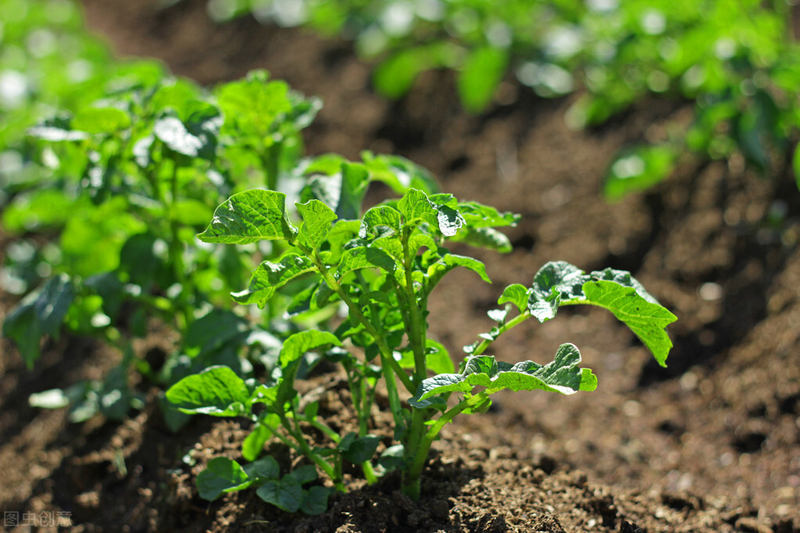
6. 1 chada sapling. The seeding of 25-35 days of potatoes begins to grow, and it takes a week or so, and it does not produce enough seedlings to replant them。
6. 2 timely farming. When most of the potatoes in the field are made available, the management of the potato field is strengthened, with a timely and shallow journey to the ground, where the land is grown up to about 18 cm。
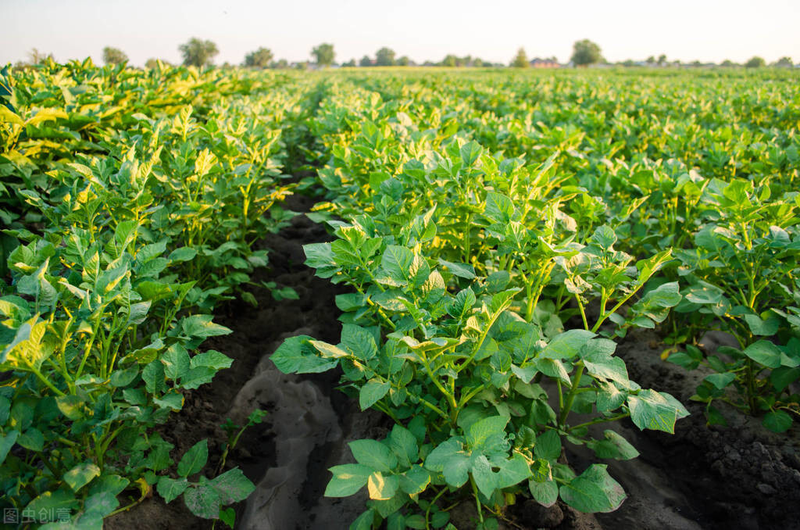
6. 3 appropriate pursuit of fat. (c) the timely supplementing of nitrogen fertilizer with 5-10 kg urea per acre; the timely supplementing of potassium phosphorus fertilizer with 15 kg phosphate and grass-wood ash with acreage or 15-20 kg composite fat for the special use of potatoes。
6. 4 spraying root fat
During the flowering of more than 90 per cent of the plants in the field, the choice is to use a combination of 0. 3 per cent potassium phosphate and 0. 3 per cent manganese sulphate for external spraying, or 15 g wet powder with 15 per cent more oxen plus 15 kg of water, evenly mixed and 50 kg of acre spray, allowing potato to be constricted by one third, leaves to become green and leaves to increase the use of light and increase the proportion of commercial trees. In the field, 0. 3 to 0. 5 per cent of potassium permanganate solutions were sprayed once, with the protection against potato black tubers and viral diseases。
6. 5 integrated pest management
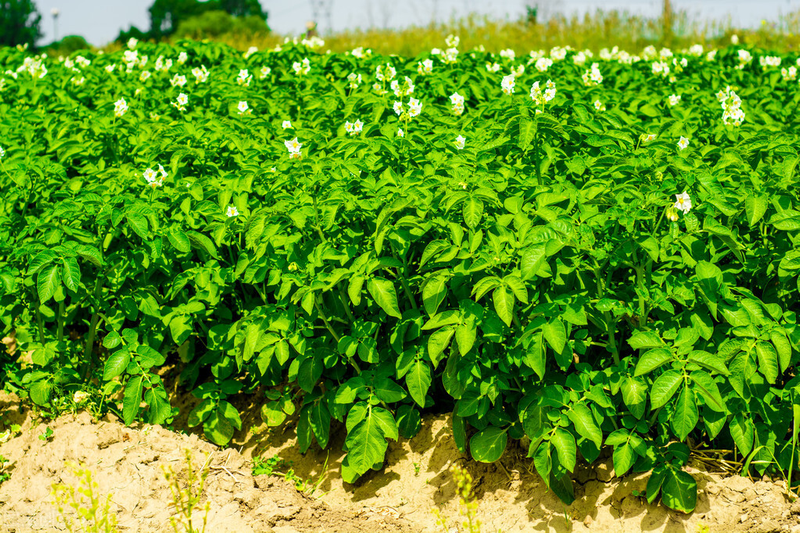
When most of the potato fields are flowered, it is when the potato fields are the most flourishing, and when high temperatures and humidity occur, they can cause a large area of chronic disease, which can be combated by a spray of 64 per cent of the acre, plus 500 times the manganese zinc per acre。
6. 6 current period management
A 15% "multi-utilizer" can be sprayed with 15 g water and 45 kg (50 ppm) to control the upper head of the ground, which contributes to the multitasking of chips. Potassium phosphate of 100 to 150 grams of water sprayed with acre during the flowering period to boost the size of the chips。
7. Timely harvesting
The most suitable temperature for the growth and development of the potato trachea is around 18°c, the slowness of the cassava above 25°c and the cessation of growth of the trachea above 29°c. Thus, when the average local temperature is above 25°c, the harvest should be arranged after mid-june. The maturing potato leaves begin to turn yellow from the bottom to the top, and the main truncheon begins to empty with the hand。
7. 1 pre-harvest and post-harvest management
In order to promote the ageing of the potato skin during the harvest, which is not easy to rinse, water should be stopped in the fields seven days before the harvest of the sticky land, and water should be stopped in the fields five days before the harvest, with 1,000 times the amount of potassium phosphate per acre sprayed on the leaves。
7. 2 harvest
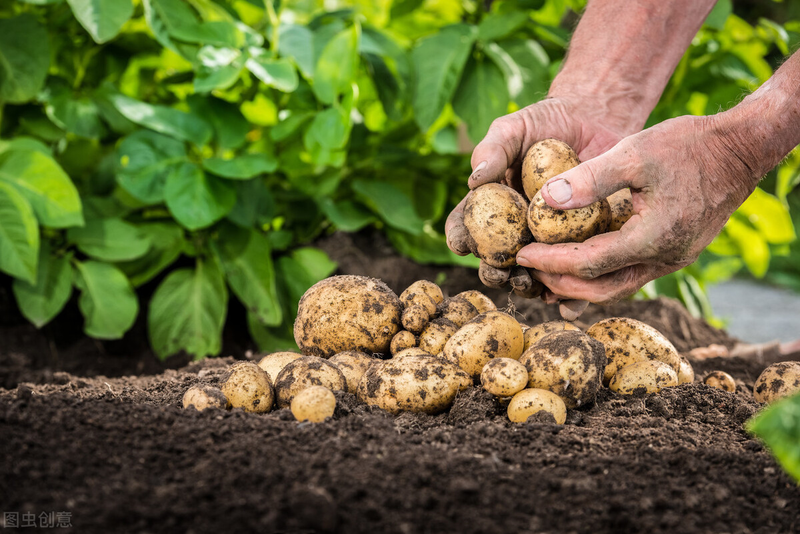
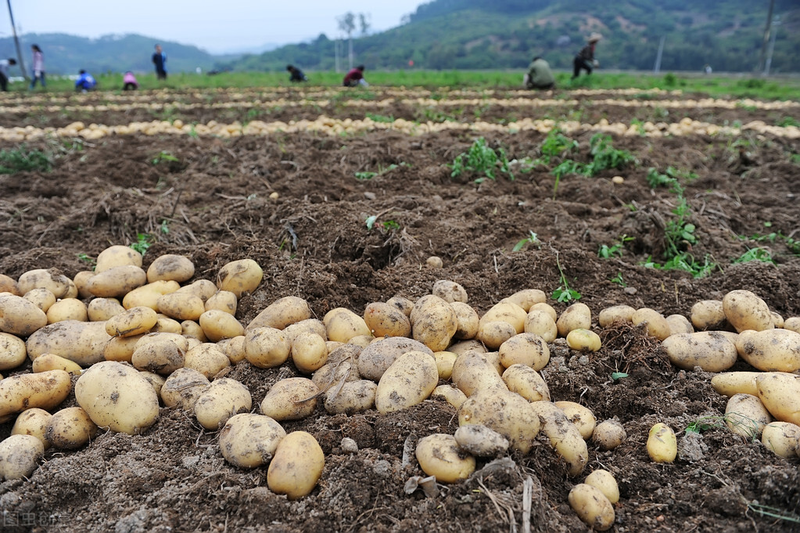
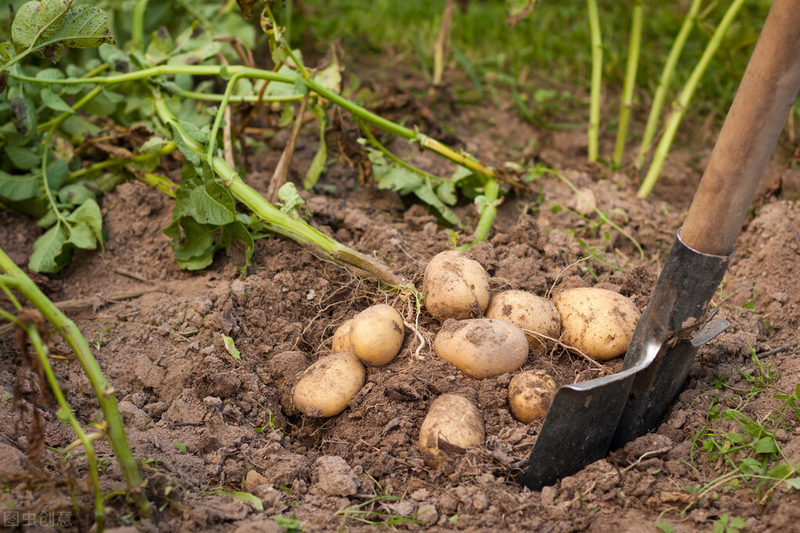
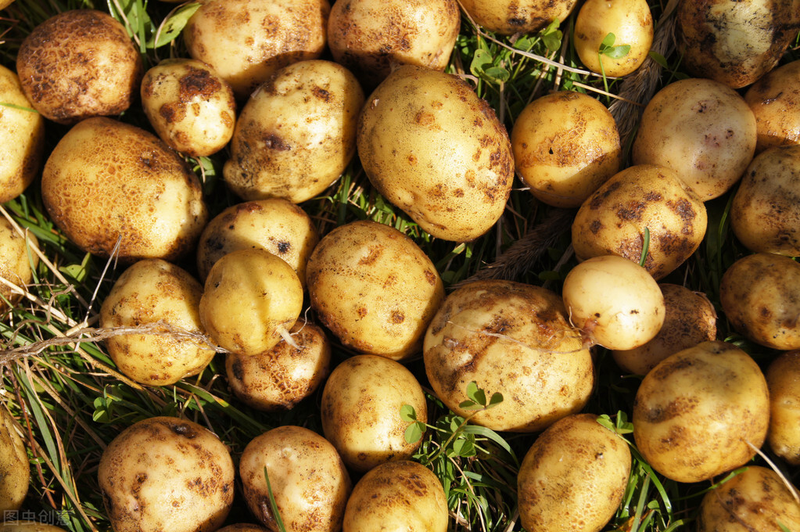
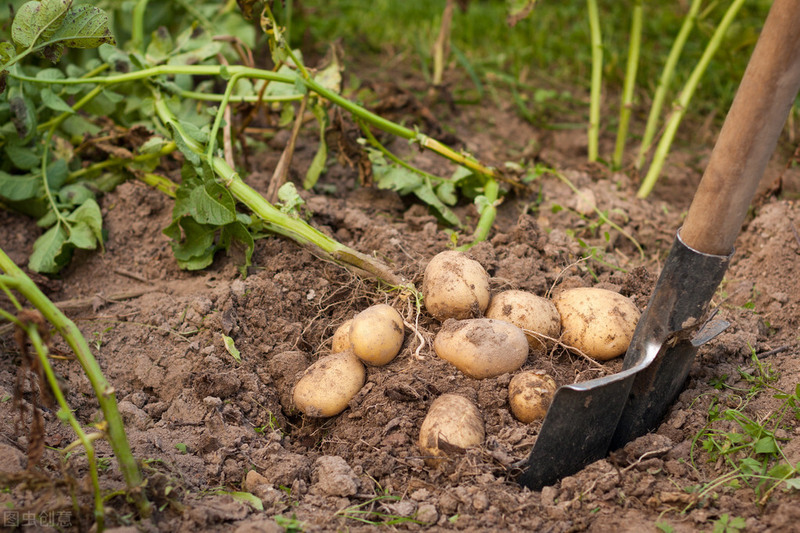
Special harvesters for potatoes can be used, as well as ploughing, digging, and so forth. If the machine is used, it must be extracted or harvested, otherwise the chips may be easily damaged or even mechanically damaged. The potatoes collected would be better served in the field for two to four hours, when their skins were dry, and then lightly removed from the trunks or bags attached to the skin, which would then be sold on the market as soon as possible. It is important to bear in mind that the harvested potatoes should not be placed permanently in an environment of sunlight or dispersed light, resulting in greening of the potato skin. If post-harvest storage is required, the broken pieces of potatoes will be removed and stored in a ventilated location, usually for a month and a half at normal temperatures. If stored in a freezer at 4°c, it can be stored for more than six months。