Potatoes are called potatoes, not potatoes, earth eggs, mountain eggs, etc. Since it is rich in a substance and has a corresponding nutritional function, in 2016 we officially included potatoes in our food crops, making them the fourth largest staple crop after rice, wheat and maize。
While it may seem simple to grow such large-scale crops, it is necessary to take care of the quality of potatoes, which are much more condensed, large, of good quality, smooth potatoes, oral aroma, high dry material content, durable storage, etc., and to develop the growth potential of potatoes in order to achieve their desired development. The following five points have been secured and it is not difficult to achieve the desired gains。
1. Selection of soils
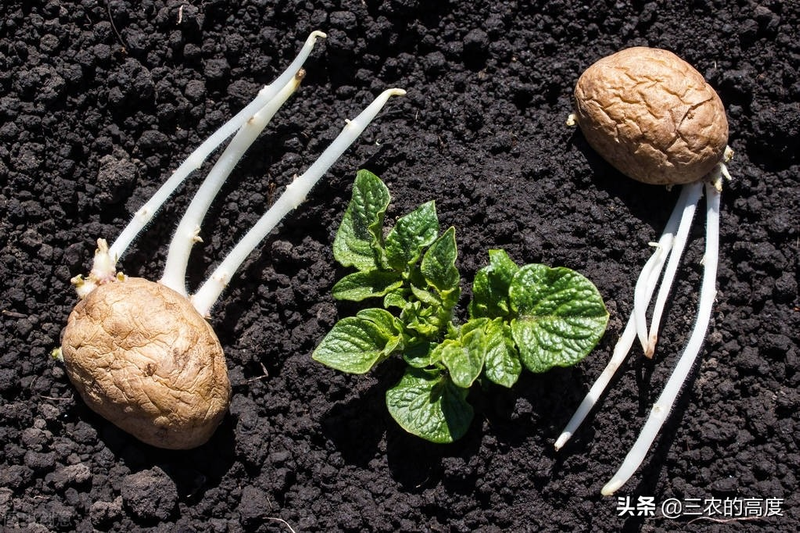
Although the range of soil adaptation of potatoes is wide, the soil most suitable for potato growth is light border soil. This is due to the fact that an underground tubing, such as potatoes, requires suitable growing soil, while a more fertile, light border soil, which is not adhesive and well-ventilated, not only benefits the growth of the tubing and root systems, but also increases the starch content. The planting of potatoes in such soils, which tend to be fast-growing and well-growing, the production of smooth potato skins, the normal absence of deformities in the form of potatoes and the ease of harvesting for storage and transport, are guarantees for the production of high-quality potatoes。
2. Reasonable fertilization
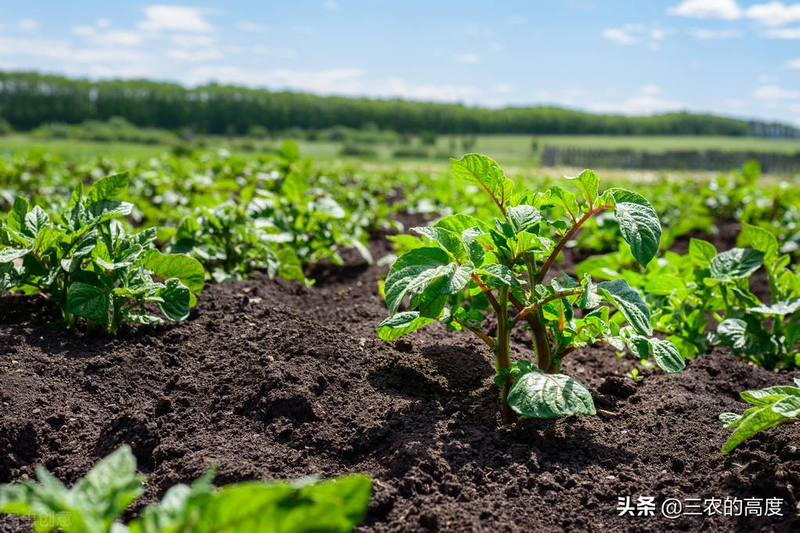
According to the saying, “the harvest is water and the harvest is less fat” and, where water management is appropriate, the fertilizer dissolved in the soil is crop food. More nutrients are needed, especially for high-yielding potato crops. There can be no high yield if there is insufficient fertilizer or hunger during growth; the maximum plant growth can be better met when there is sufficient fertilizer to ensure high underground tubing. Potatoes require the highest amount of potassium fertilizer, followed by nitrogen fertilizer, with lower demand for phosphorus fertilizer, among the three factors of nitrogen, phosphorus and potassium. Fertilizers are appropriate for fully decomposed organic fertilizers, which contribute to improving the soil environment. Where possible, the greater use of potassium-containing grass-wood ash improves the quality of potatoes。
3. Treatment of potato species
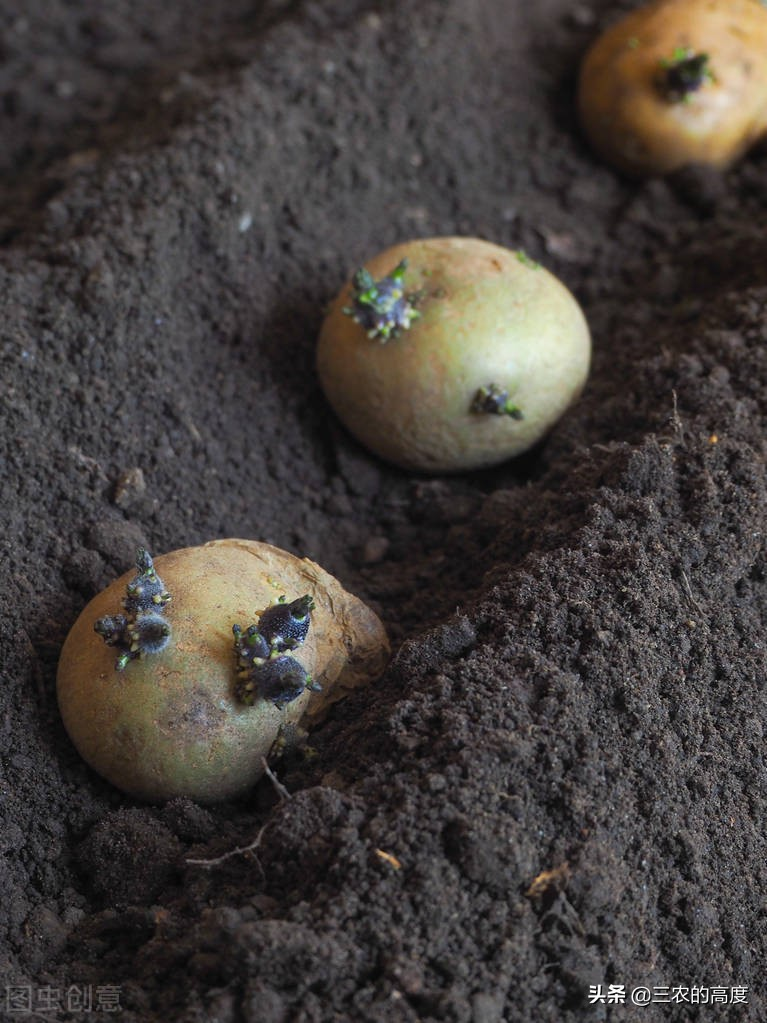
Small amounts of potatoes are grown and, in order to save costs, they are usually grown by slices of potatoes. Attention is drawn to the fact that they are tanned, and before they are sterilized, they are incubated to increase their survival rate. If large areas of potatoes are grown, it is important to choose the detoxicated potato. This not only preserves the inherent seed nature of potatoes, but also improves the yield and quality of potato spas. Potato detoxification has resulted in the elimination of viruses, bacterial and fungi diseases in the seeding of potatoes, the restoration of the identity of the original species and better prevention of the degradation of the potato species for quality, productive and efficient planting purposes. The production of detoxified potato varieties, which could increase by 30 to 50 per cent under equally managed cropping conditions, is a priority for large-scale economic cultivation。
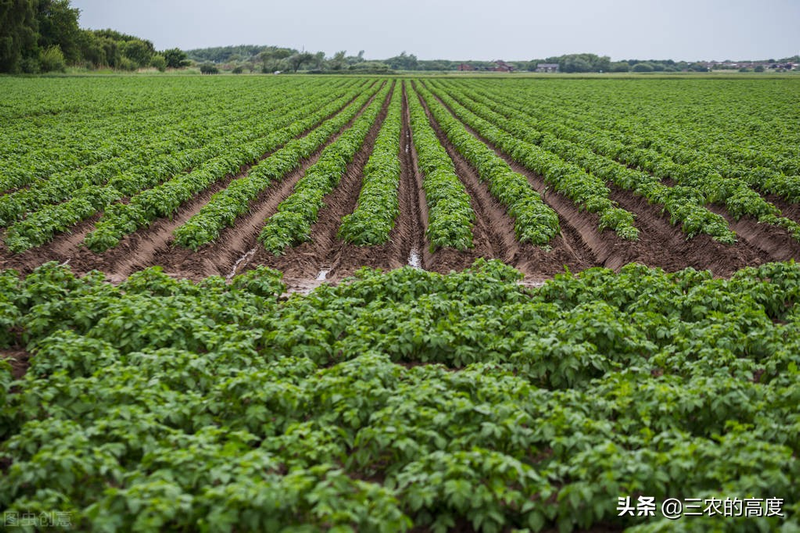
4. Field management
Potatoes need to be managed in a timely manner during their growth, such as weeding, water harvesting and graze removal. Chinese grass-cutting increases the temperature of the pine soil during the nursery period, increases the permeability of the growth layer and fosters better growth of the root system, which is followed by a timely combination of grass-cutting; the planting of soil during the planting period increases the size and quality of the yams and reduces the leakage and quality of the chips; and the early laxation of the potatoes at the beginning of the period, creating better conditions for the growth of the potato trough, i. E., stopping the cultivation. In early childhood, if the soil is not fertile enough, combines the cultivation with the use of approximately 10 kg of compound fat for each acre; enters into the fertilisation period, where the growth of the leaf is concentrated in a gradual shift to a stem, with the need for moisture being met, the soil being kept dry and wet and, in case of a shortage of fat, the complex fattening of 15 to 20 kg per acre; enters the current curry period with the soil to fatten up once, with nitrogen fattening in combination with potassium, depending on the strength of the potato plant. For a large quantity of solid quality, excessive buds are removed, nutrients are saved and underground potatoes are promoted。
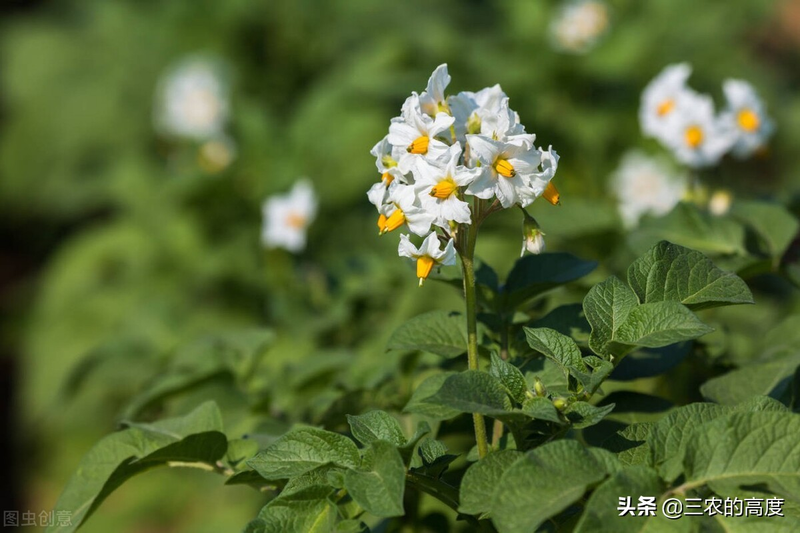
Five, depending on the circumstances
Potato plants are grown mainly by reproduction and usually no longer fat. However, in the case of late-planting, the expansion and quality of subterranean troughs can be enhanced by phosphorus, potassium fattening or combining trace elements, combined with two to three times in the case of late-emergence foliage. Leaf-spreading leaves are spread between 7 and 10 days, and with this sprayed potato plant, the underground tubers are not only large but also of good quality。
In conclusion, the cultivation of potatoes is expected to be large, with a smooth surface quality, and in the appropriate soil management is focused on the selection of potato seeds and the management of water fertilizers. Potatoes can be cultivated better. ♪ the fourth season of the high-quality creative competition ♪