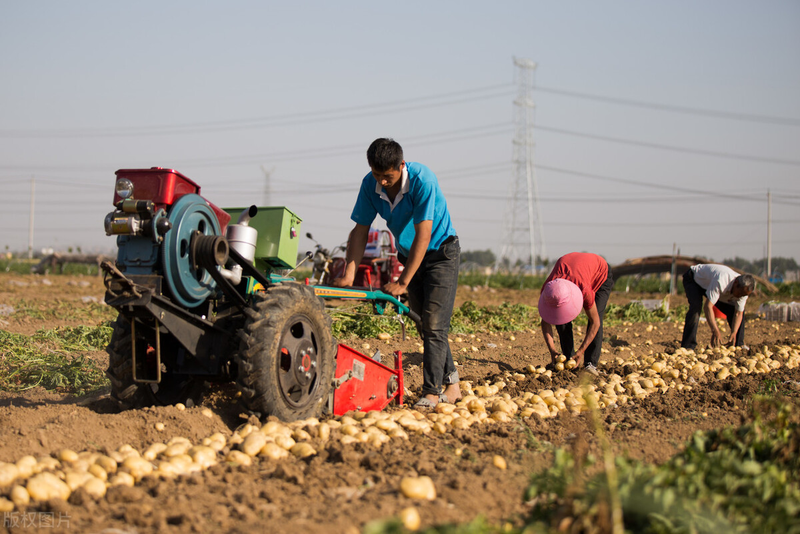
Hello, everyone. We're agricultural watch china. Potatoes are the world's fourth-largest food crop, and we are the world's largest potato producer. Potato is fully nutritious, of high value, durable and long in storage. In recent years, with the development of the potato processing industry and the restructuring of the agro-planting industry, the area of the potato herbs, fall and winter and replanting has been expanding, and the potato has become an increasingly important crop of food, vegetables, fodder and processed raw materials in many regions。
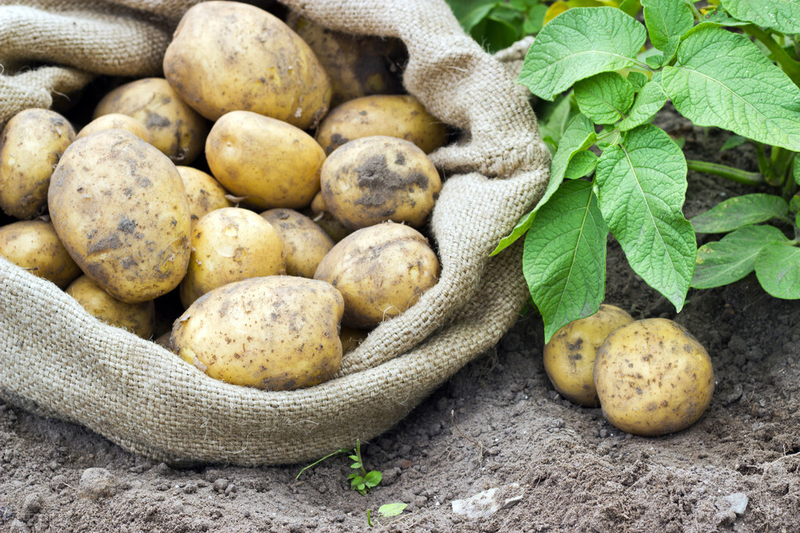
In the south, where the cultivation of winter potatoes has recently begun, increasing production must be the most interesting thing for you farmers. I would like to present for your information the management of high-yield potato cultivation。
One, turn over
Potatoes are a relatively large crop with a severe shortage of nutrients, such as ground-borne potassium, which has a clear impact on the expansion of the root of potatoes, as well as the fact that bacteria, such as deadness, can survive in the soil and spread to crops, resulting in a significantly higher incidence of coitus-related diseases. Therefore, the rotation of potatoes is necessary。
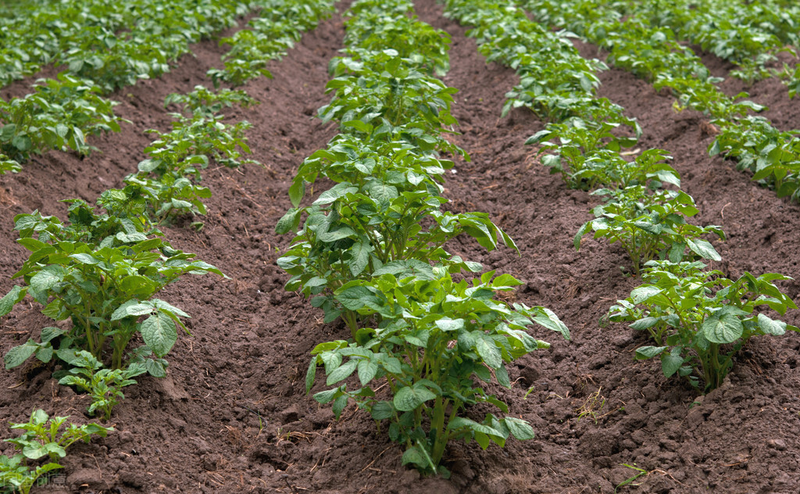
Our recommended rotation period is more than four years, with the best precursor being cereal crops, usually cereals, wheat, maize, and be careful not to be associated with other tomato crops, such as peppers, eggplants and tomatoes, which share the same disease as potatoes and are more vulnerable to viral infections。
Ii. Plot processing
1. Land block selection
We should choose the flat ground, the slope below 10 degrees, the earth's thickness up to 50 centimetres thick, and the soil's estranged border, the land of medium strength above. Because potatoes are more resilient to the soil, but they have longer reproductive periods and higher yields, while the demand for nutrients is naturally higher, and since the production of potatoes is entirely due to the expansion of underground chips, we have to choose land that is lax, deep and fertile in the earth, with a high organic content, so as to be more conducive to the growth and expansion of the chips, and to a stable quality of potatoes production. In addition, the potato is afraid of flooding, so that areas of cultivation should be selected with higher terrain and easy to drain。
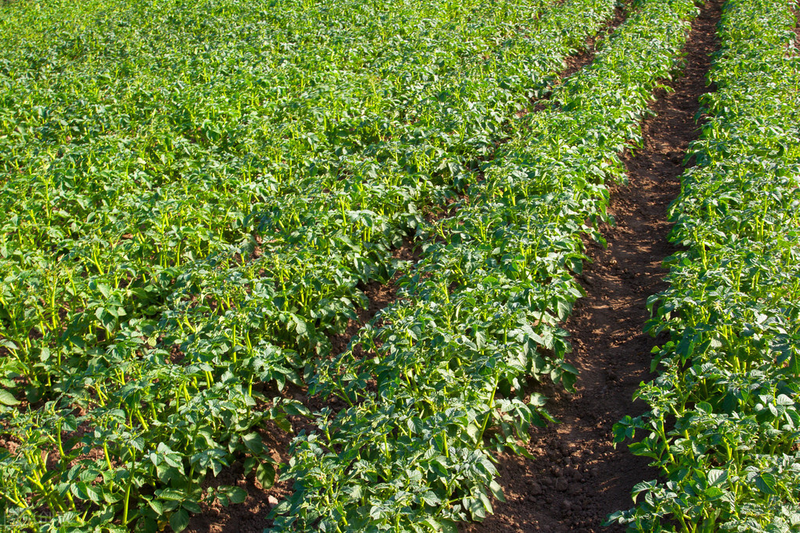
Land parcel processing
Early fertilization of soil. Potato cultivation requires the most potassium fat, followed by nitrogen fat and phosphorus fat, which absorb twice as much as nitrogen fat and five times as phosphorus fat. Fertilisation is based on the principle of primary and secondary weight. Fertilizers were based on urea of 2. 5 kg ~ 5 kg/acre, calcium perphosphate of 10 kg ~ 15 kg and grasswood of 25 kg ~ 50 kg。
Iii. Those those
1. Choice of varieties
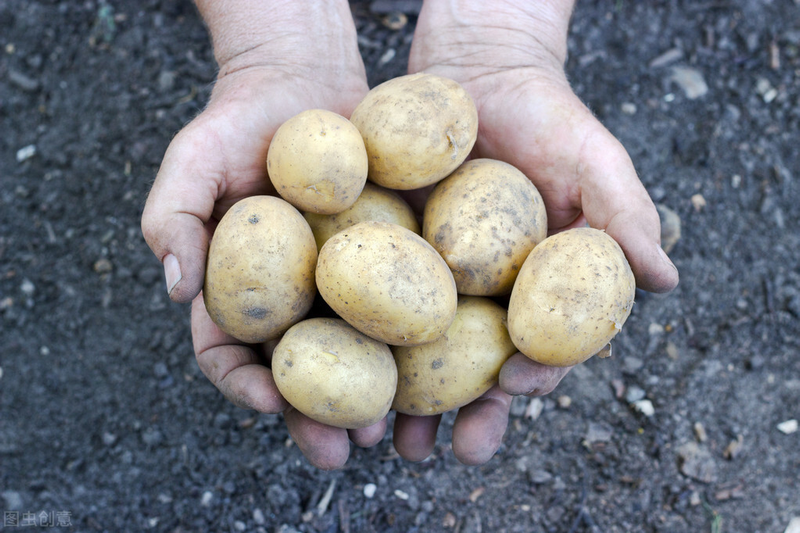
The selection of potato varieties is a prerequisite for the production of high-yield, high-quality potatoes, and, in combination with local climate and market demand, we should select silt, soft, insect-free, skin-colored, even head size, and well-formed tubers。
2. Potato processing
Some potatoes require seedlings, and some varieties do not, but it is preferable to seed later-planted plots. It is laid indoors in sunlight, where the light is even, and when white sprouts turn to green sprouts, they are cut to sow. The poaching of chips should take place 5-7 days before seeding, with the selection of the top of the tuber or the mid-eye for seeding, which would normally take about 20 grammes ~ 30 g. Cuts should be made from the top of the potato to the umbilical, so that every piece has a budding eye on the top of the truncheon, so as to ensure the top advantage, with strict care. Using 40 per cent of the ff = 200 doses of water, sprayed on a potato pile before the sprouts helped to eliminate the skin virus. They are then mixed with thin grass-wood ash, multibacterium, methyl tobuzin, etc., and leave the sun in the sun to promote the healing of the poaching of the potato, which can then continue to sow up to about 0. 6-1 centimetres。
Iv. Solution methodology
1. Sowing time
Our potato-growing area has a wide range of east-west-south-north, with differences in climate and cultivation systems. In the provinces of gansu, qinghai, inner mongolia and east, planting took place in mid-pring in mid-may, harvesting in the autumn, one season a year of potatoes, known as the northern zone, and in the provinces of shandong, henan, hebei and jiangsu, two seasons of potatoes a year。
Among them, spring potatoes were grown in the central region of shandong and hebei in february/march and harvested in june/july; autumn potatoes were grown in august and harvested in late october/early november; spring potatoes were grown in january/february by the jiang zhe generation and harvested in may/june; and seeded in september and harvested in december. The region is known as the two-season zone. In guangdong, yunnan, guizhou, guangxi, and hainan, a season of potatoes can be grown after the fall rice harvest. In general, planting takes place in mid-october-november, followed by harvests in february-march. The region is often known as the southern winter zone, which has been in winter for a long time。
Sowing techniques
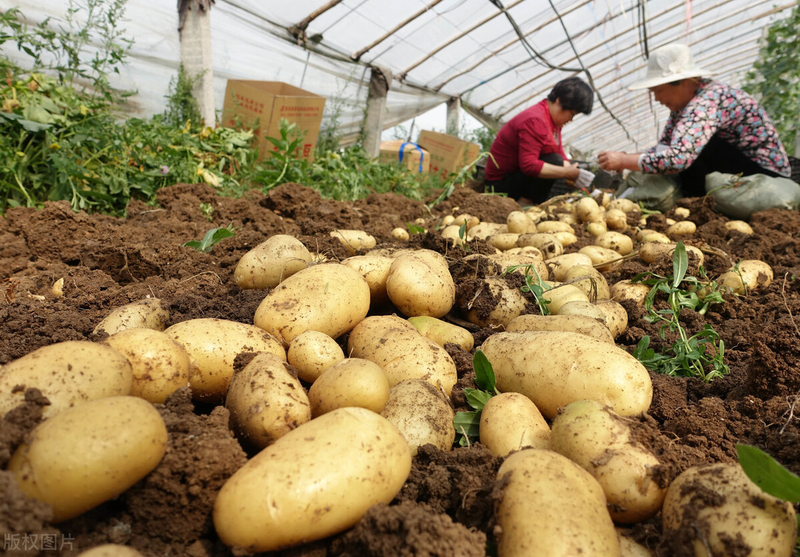
Potatoes can sow both flatly and with seeding, but it is recommended that they be sowed in less insecticidal ways, either in ditches or by cave. Potato seeding occurs at a depth of about 10 centimetres, either single-line or double-line planting, and potatoes are seeded at a density of 30 centimetres and 20-25 centimetres; in sowing the seeding, the seeding takes place upwards, evenly, and is then covered with fine soil of about 5-10 centimetres, covered with film or straw, then wetted with water. The soil is then covered by a membrane to prevent the growth of weeds, with 150 grams of water per acre and 50 kg of water。