


With more than a dozen days left before the rain in the valley, most of the country, with the exception of the north-east and north-west regions, is free of frost and cold weather, and it is during this season that many crops begin to grow and migrate, but must be prepared well in advance, regardless of the crop。
So, what crops can be grown before and after the rain? What preparatory work is needed? Let's take a look。
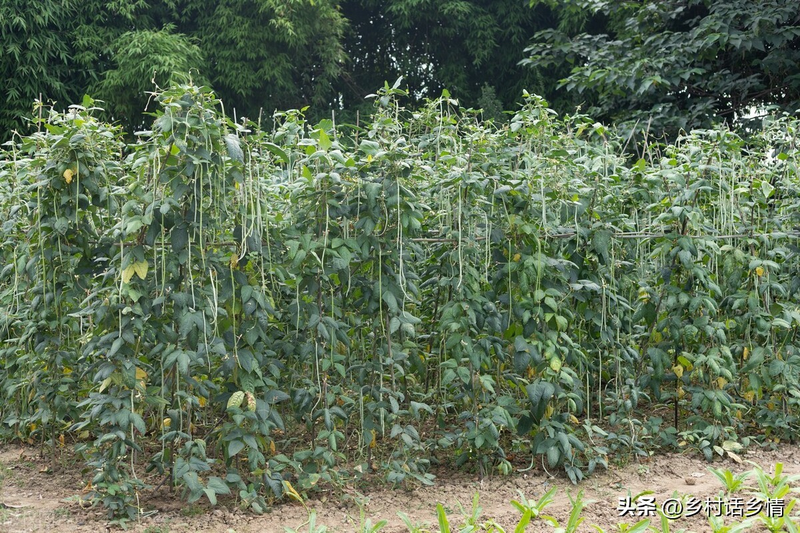
I. Vegetable beans
Bean-fruit crops are generally grown directly, such as four seasons of beans, legumes, beans, long bean beans, etc. These vegetables are now very large in the south, while the north generally begins to sow before and after the rain and, of course, there are seedlings. Both direct planting and planting can take place before and after the rains, but the north-east and north-west are still a little early to sow until may。
Bean horns prefer warm environments, with seeds growing at a minimum of 15 degrees, the most appropriate temperature is 20-28 degrees and the best season before and after the rain。
Two seedlings would be sufficient at the time of bean-fruit cultivation and it should be noted that too much water would not be appropriate for the period。
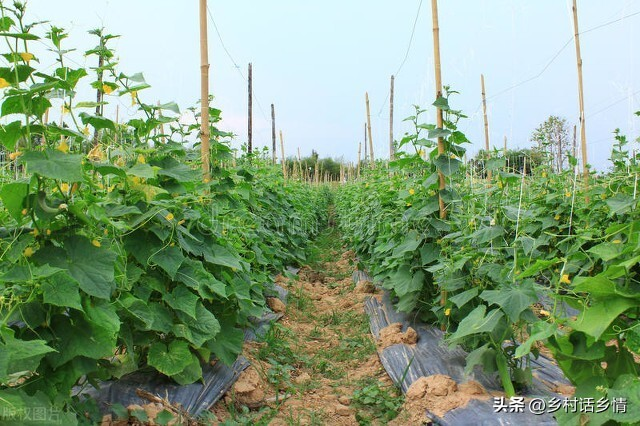
Vegetables
There are also many varieties of melons, cucumbers, pumpkins, cucumbers, cucumbers, cucumbers, bitter melons, etc., which can be grown and transplanted during the rainy season in the valleys, except in the north-east and north-west, and in the north and south. The temperature in most areas will be above 20 degrees and in some cases above 25 degrees in the rain。
The transfer of melon vegetables requires attention to the following: 2. The seedlings should not be too large when they are transferred, and they can easily develop when they are too large to recover. 3. No fertilization shall be applied in the den except for the use of bottom fertilizers in order to avoid the burning of roots。
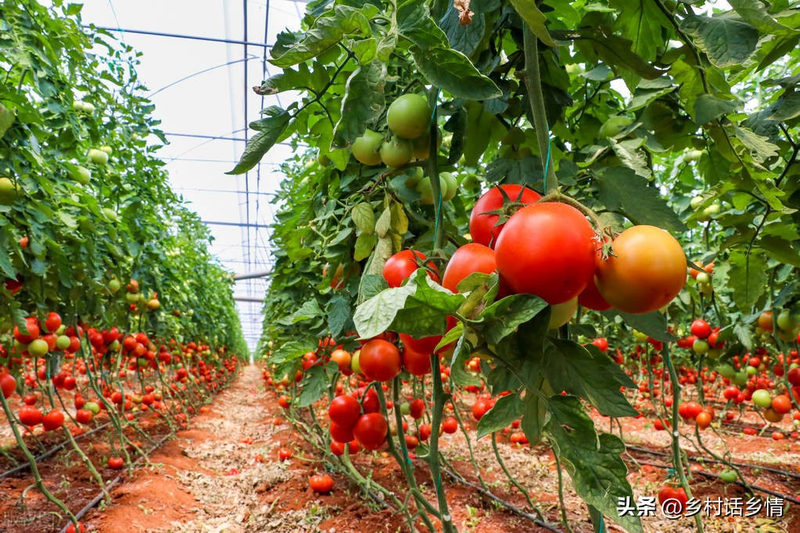
Iii. Enforcement
The so-called eggplant vegetables include tomatoes, eggplants, peppers, etc., which can also be planted before or after the rain, and generally at more than 20 degrees in the north-east and in the north-west, when individual areas reach a small area。
Attention needs to be paid to the fact that tomatoes and eggplant lines are about 60 cm between 40 and 50 cm, and peppers can be slightly denser depending on the variety. It is also best to cultivate and avoid the death of the soil in the rainy season。
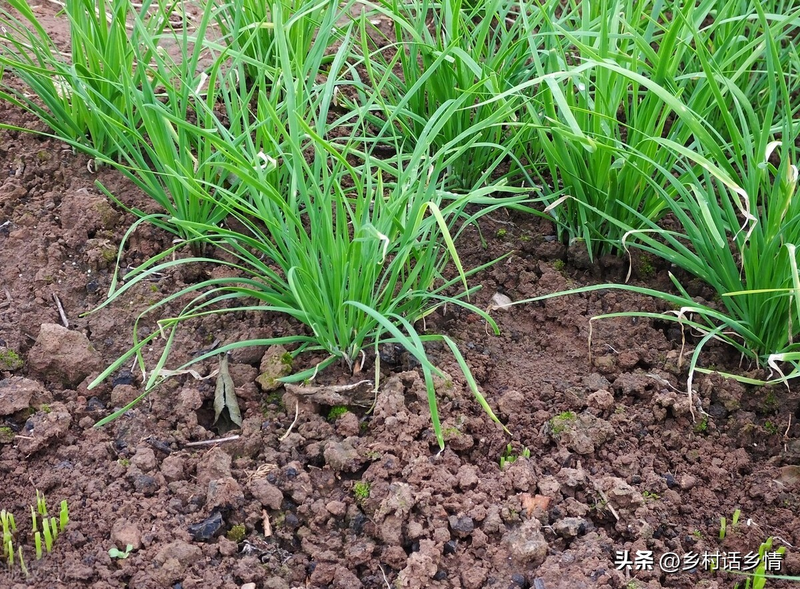
Iv. Greene
The rain is already warm, and this is the most suitable gas for seeding beryllium because early temperatures are not good enough to grow, and late temperatures are bad for seedlings. There are two good seasons in the year, one spring and one autumn, so before and after the rain is the best time to grow。
The first eight hours of planting can be used to soak the seed water, so that the soil can be rinsed and then sow。
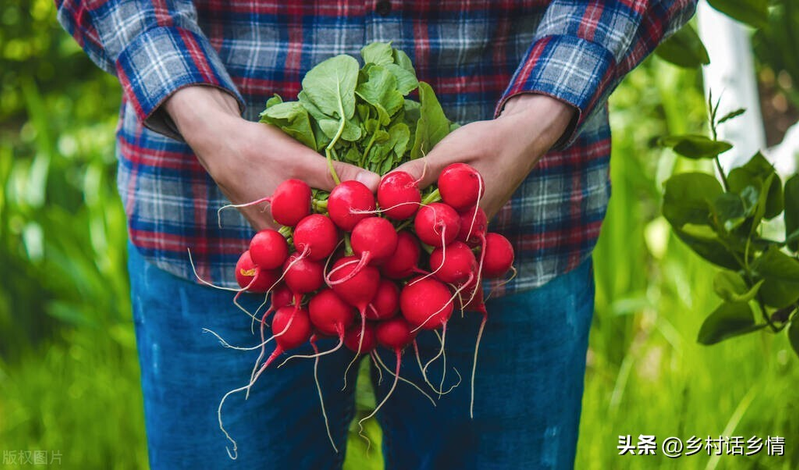
V. Ropes, truffles, cauliflowers, ginger, etc
As the saying goes, “the snow and the rain of the valleys are out of ice, except for the north-east and north-west, most of the rest of the valleys are out of frost, so at this point there is no fear of freezing the seedlings when they come out。
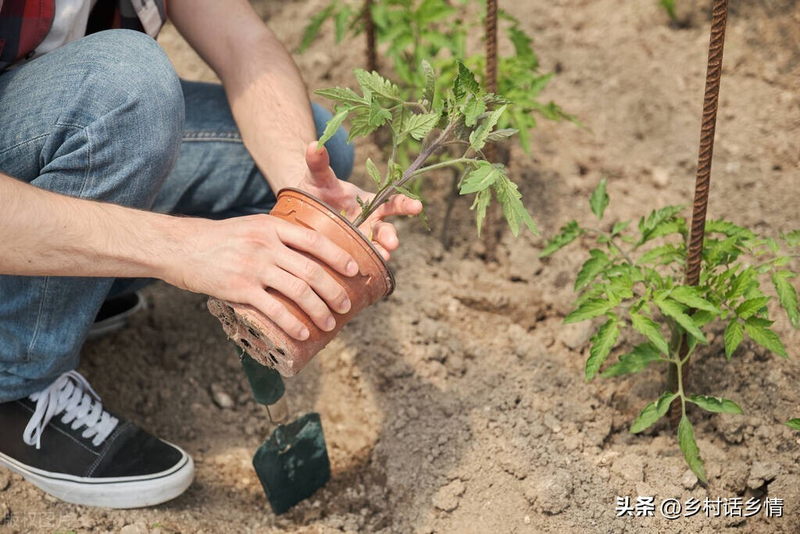
Each crop has its own different methods, whether planting or planting, and, first, before planting, the soil is reclaimed well in advance, fertilizers and seeds are prepared, and the vegetables that have been planted are pre-fed. In addition, during planting and shifting cultivation, the fertilizer used must not have access to seeds and roots, or knowledge of the need to be multi-disciplinary, and experience is natural。
Increased cultivation of knowledge, methods and experiences is welcome。



