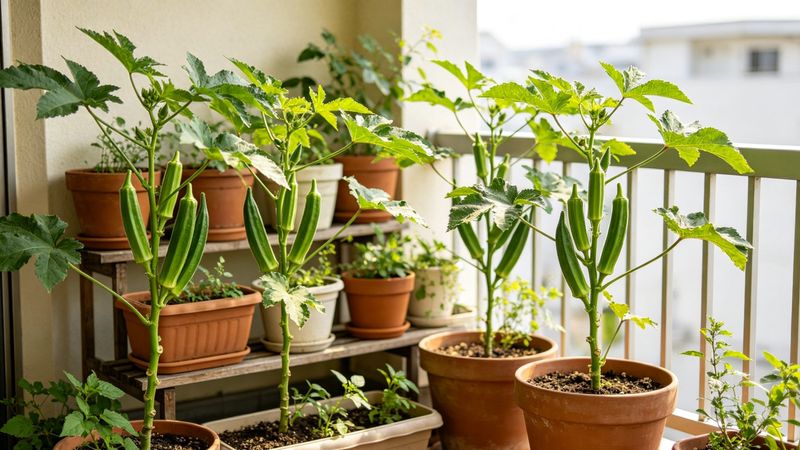
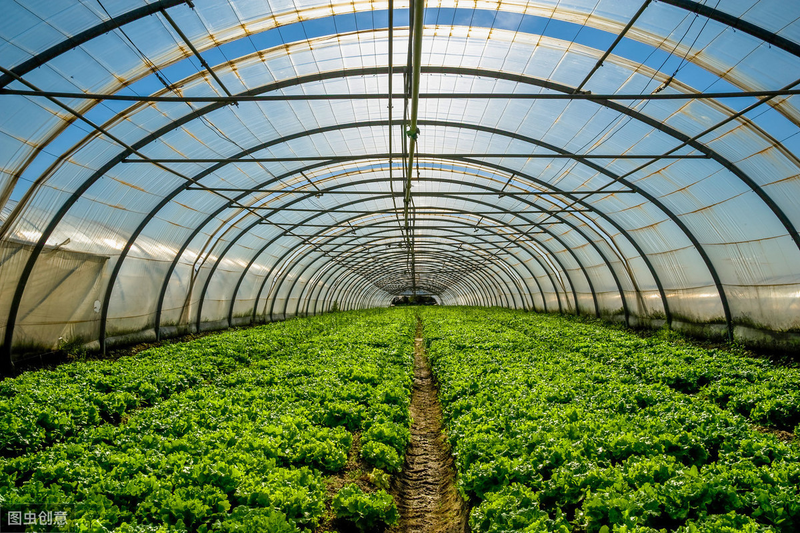
The winter is a time when greenhouse vegetables are beginning to suffer from massive diseases, and during this season, the best management of the sheds may not be able to escape from the ills associated with the cold and warm conditions outside the house and the substandard indoor environment. The following text shows six causes。
I. Asphyxia
The most frequent problem in greenhouses is the uncontrollable temperature and the wetness of the indoor air, at which point the most common problem comes to the door, which is asymptomosis. The most vulnerable to this disease is tomatoes, which must be strictly controlled as an indispensable greenhouse vegetable in winter. It has an impact on tomatoes' leaves and nuts。
Symptoms of harm:
1. Leather disease
The symptoms of the disease are that it begins with an already injured leaf, is infected in a long period of high-wet vapour, begins to permeate into the inside of the leaf like a v word, as if it were immersed in water. The leaves will then turn to yellow and brown, accompanied by concentric rotoral signs。
Bone disease
During prolonged periods of dampness in the greenhouse environment and the onset of infection in the tubing of plants, the disease will be further expanded if the infected areas are not disposed of. A serious one could cause the whole plant to die。
3. Incurred or post-mortem disease
The disease in this part is most likely due to the debilitated petals, where the fungus tends to follow the petals to the point where the fruit forms a black and dead spot, and if it is not addressed, the fruit rots step by step, causing a massive reduction in production。
Ii. Vegetable fungi nuclear disease
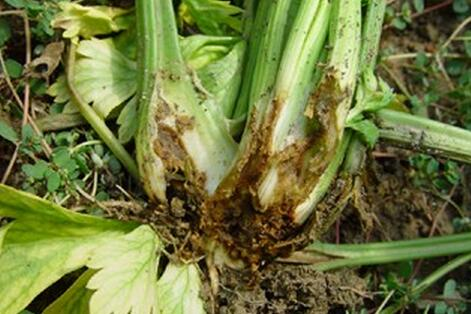
The disease is a fungus-caused disease, and it's a devastating effect on vegetables. Not only can it harm a plant in one field, it can cause damage to vegetables in a variety of subjects, such as legumes, thorium, etc. The disease usually occurs in bad weather, like in cold temperatures, mist or when the heat room is wet enough to get high。
Symptoms:
This disease, apart from the root of vegetables, is less than visible elsewhere. It rots the fruit of the leaf until the plant dies。
2. Most cases start from the bottom of the plant up, or from the old leaves in the middle, the young flowers and the fruit。
3. When symptoms are first discovered, the colours of water are damp or there are some irregular signs of depravity, which continue to spread outwards, with visible decay occurring where the disease is known。
4. It is then common to say that, during the high wetness, there is a white cord of the fungus like cotton, starting with white and ending with black rat dung。
Iii. Black star disease
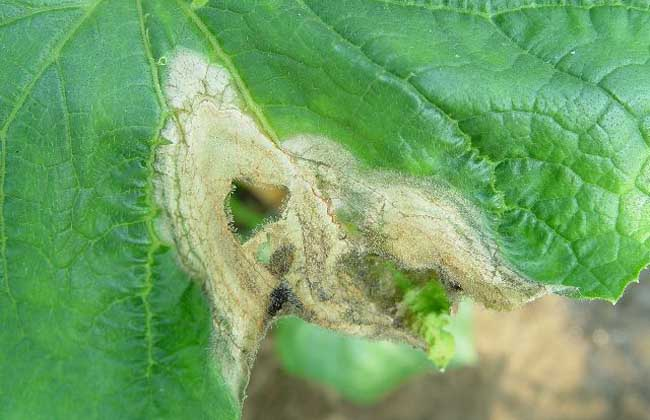
In winter, the cucumbers in the greenhouses shed will be watched to death. It can cause cucumbers to deform or foliage. This has caused enormous economic damage to growers. However, this disease is not only present in cucumbers, but also in a variety of cucumber crops, such as water pickles, pumpkins, melons, and cucumbers。
Symptoms:
Throughout the lifetime of cucumbers, that is, throughout their lifetime, they will not be spared the disease. The hardest hit is the cucumber sprouts and the small fruit。
1. Infant mortality
When the cucumber seed is not ripe yet, if you find a yellow-white circular spot on the leaves, when the leaves show a little bit of the real leaf, the real leaf may rot, forming a double-headed, multi-sapling。
2. Leaf disease
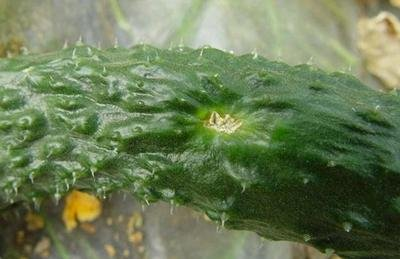
On the surface of the leaves, they form a circular little dot that fades green, the edges of which are like stars, and when the leaves dry up, they show yellow white, and then a little later, a hole like a star。
Diarrhoea
The cucumber's cucumber strips will have green spots, and there will be transparent cucumber gel in the disease. With the passage of time, the adhesion continues to grow, piled up in the disease, knowing it fell off。
Iv. Tomato night disease
In winter and spring, two periods with the worst incidence, especially in the event of haze, the disease is induced mainly in cold and high temperatures。
Symptoms:
It's mainly the leaves and fruit that endanger tomatoes and the troughs of tomatoes。
1. Leaf disease
Most of them begin to have the same water stains on the edges of tomatoes and leaves, and when the humidity increases, the disease increases, possibly with a white cortex。
2. Insemination
It's like a black spot with water stains, and when it's serious, it's going to go around the stem for a week, and it's starting to spread up and down. It's the same as above, when the humidity gets bigger there's a white cortex。
3. Vegetable disease
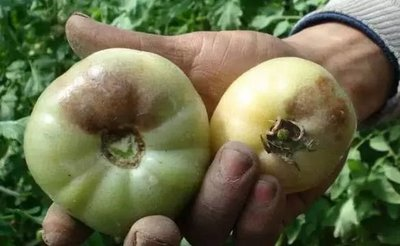
When a disease occurs, it starts with oil, mostly near the fruit handle of the plant, in an irregular shape. And when the fruit is sick, the surface is rougher, and the flesh is hard, like rust。
V. Vegetable frosting
This disease is typical, and it can't escape as long as it's vegetables. Whatever the temperature, it's possible to get sick with high humidity. Temperature conditions in winter are most likely to lead to heavy wetness in greenhouses。
Symptoms:
1. Because of the wide range of vegetables it harms, the symptoms at the time of the disease vary somewhat。
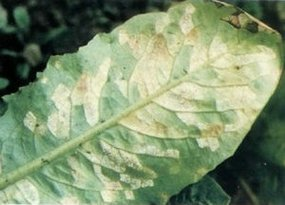
The symptoms in the cucumber are the green disappearance of the blades, and when the humidity increases, the back of the cucumbers is tanned。
The disease of melons continues to spread, turning positive to black and brown, and is less restricted by the foliage。
4. Cabbage produces yellow and brown green spots on the front, and white aroma on the back。
Vi. Fruit malformations
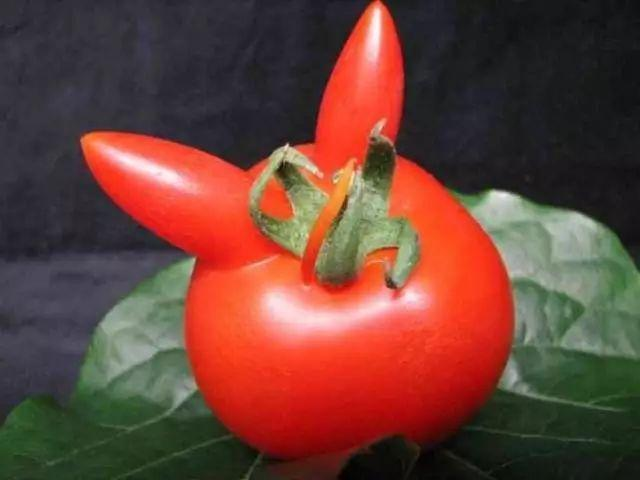
When plant seedlings are fracturing for long periods of time, low temperatures can lead to a relative decrease in the nutrients of the breath, which can lead to a corresponding increase in nutrients in the buds, dichotomy in the cells of the buds, and many malformations in the fruit, and malformations in the heart chamber. And one more thing, all the vegetables like sunlight, watch the time。
In winter greenhouses, poor light is used to reduce the accumulation of nutrients for luminous co-operation, thus demonstrating malnutrition, which can result in large amounts of flowers falling, and the loss of normal growth and development of fruit. In addition, a longer period of oligarchy can lead to a significant increase in the incidence of malformations。
The treatment of diseases begins not only with wetness, temperature, and light management in the shed, but also with drug control, such as the spraying of protective microbicides such as the colian 360°vg, frosted cyanide, alkyl and esters。