


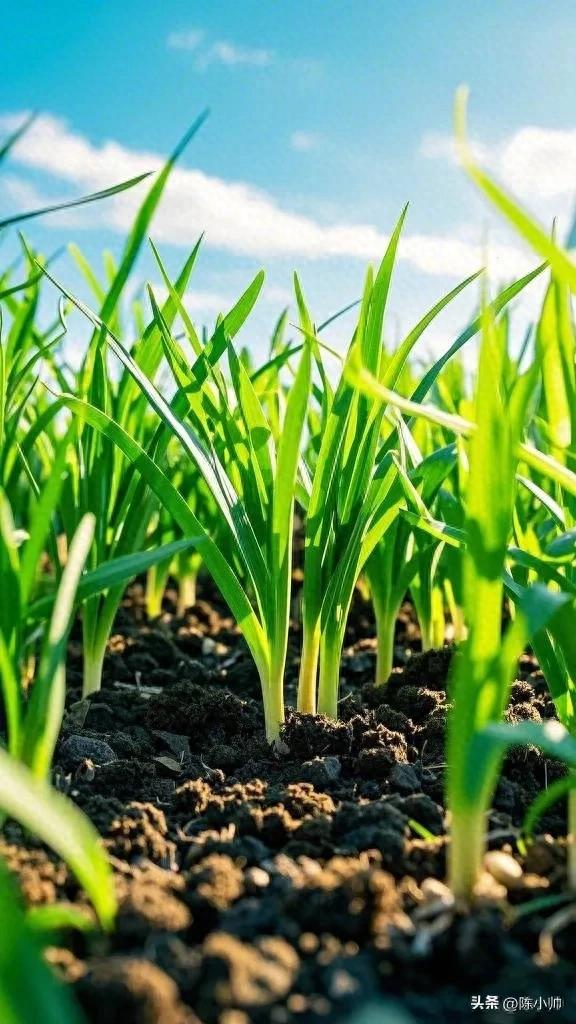
Seed handling and seeding
Seed selection
Selection of fresh herring seeds (one year) with dark and full colours to avoid mold or morbidity。
Recommended videos: han mid-hoon, 791 snowflake (highly resistant to disease and suitable for family cultivation)。
2. Leaching seedlings
Infiltration: 8-12 hours of impregnated seed using 40°c water to remove seed floating above water。
Breathing: leaching, wrapping with wet cloths, seeding in the 15-20°c environment (e. G., in the shade), washing with water once a day and sowing with about 3-5 days of open white。
3. Sowing time
South: two seasons (march-april or september-october)。
North: spring april-may (the temperature is stable above 12°c)。
4. Sowing methods
Soil preparation: loose and fertile sandy soil, ph 6. 5-7. 5. Convey in decomposition organic fertilizers (root or goat dung) when they are rolled deep。
Seeding: opens a 1-2cm shallow ditch, 20 cm long, spreads thin ground evenly, gently presses and pours water。
Cover moisture: a straw or membrane can be covered and the seed will be released。
Ii. Shrimp management (30-50 days after seeding)
1. Temperature and light
Episode: 15-25°c, soil moist。
Premium: at least six hours of light per day to avoid tan。
Watering
Keep the soil wet but without water, and the small water is soaked that it does not wash down the seedlings。
3. Sapling and weeding
Weakly removed at height of 5 cm, 2-3 cm。
Artificial weeding, avoiding the roots。
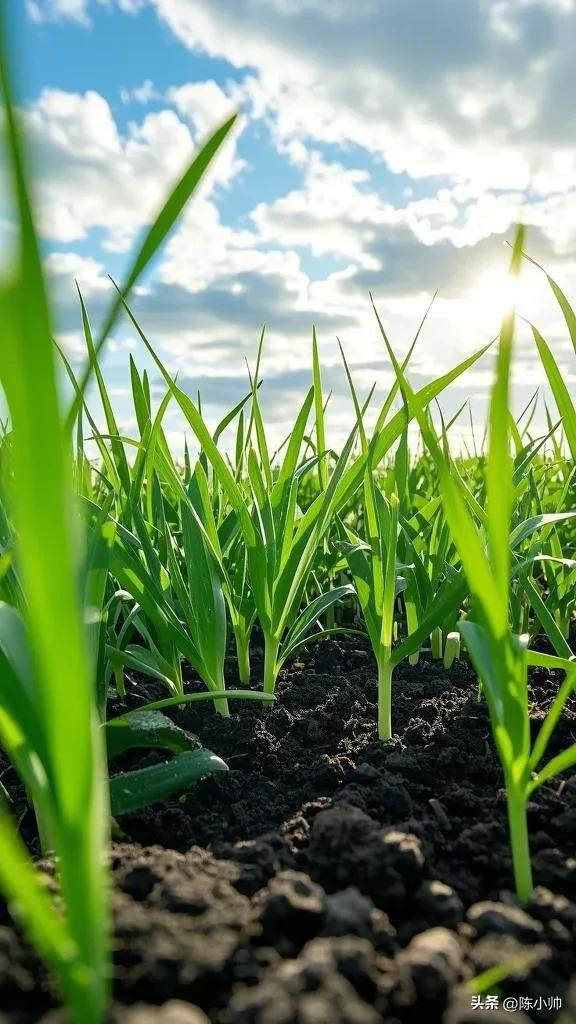
Iii. Mobilization
1. Fertilization in general
Deep-turned land with 5-8 kg of rotting organic fertilizer per square metre plus a small amount of grass-wood ash (polymerized potassium)。
2. Replanting techniques
Caves are dug 25-30 cm from 10-15 cm from 3-4 cm each。
The roots are trimmed to 5 cm and buried to the base of the leaves (white part) and the root water is pressed。
Iv. Daily management
1. Fertilizer management
Watering: early and late in the summer, noon in the winter, three days after harvest。
Fertilizers: fertilized manure or nitrogen fertilizer (e. G. Urea, 1,000 times diluted) is applied after each harvest, and potassium phosphorus is applied in the autumn。
2. Pest management
Patients: 50 per cent more than 800 times more fungus; disease sprayed with dysonzine。
Insect pests: scratch roots with grass-wood ash or sugar vinegar to trap insects。
3. Cultivated land
In spring and autumn, two to three cms of clay are produced to prevent the root of the jump (uplinking)。
Collection techniques
1. First harvest
60-80 days after planting, 25 cm and above, with 2-3 cm (over ground)。
2. Follow-up collection
1 cut every 25-30 days, with roots cut during the summer。
Best time: morning (watery feet, fresh taste)。
Vi. Winter management (northern region)
Membrane temperature retention: the last cut before frost and the straw or membranes are covered with dead leaves。
Spring return: clear cover, water back, high nitrogen fertilizer。
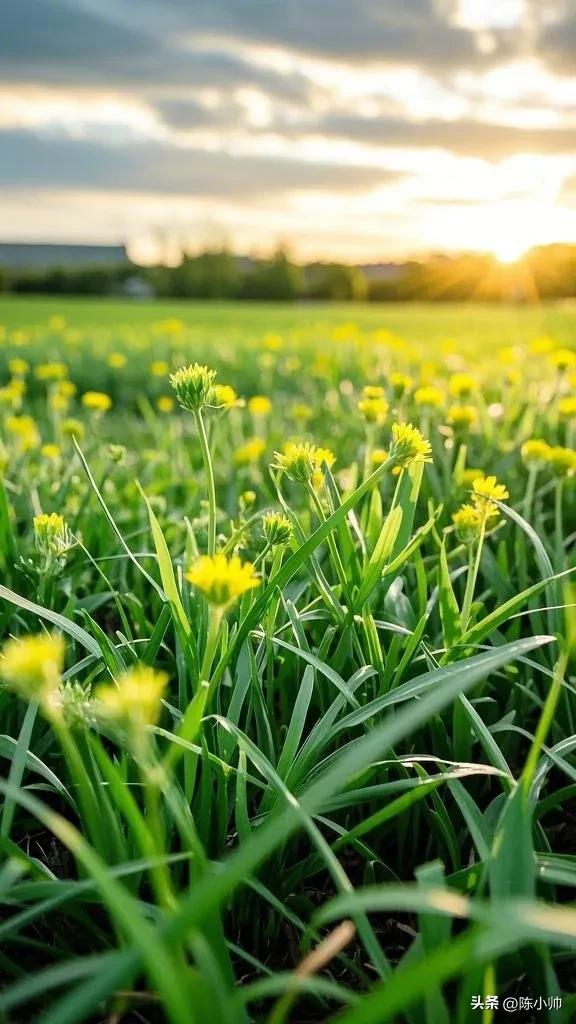
Seven big benefits for the human body
1. Nutritional enrichment
Vitamin a (eye protection), vitamin c (resistant oxidation), calcium (hard bones), iron (refilling blood), diet fibre (congestion)。
2. Intestine regulation
Food fibres promote defecation and prevent constipation。
3. Influenza eradication
Sulphuride (e. G. Garlic) inhibits coliform, yellow grapes。
Cardiovascular care
Composed of potassium (regulated blood pressure) and soap-like substances (lipid)。
5. Temperature
The chinese doctor considered the herring to be warm, renal acupuncture and ablution of coldness。
6. Promoting appetite
Volatile oil stimulates gastric fluids and helps digestion。
7. Low calorie high nutrition
Only 25 cards per 100 grams are suitable for people who lose weight。
Attention
The intestine weak eat less and avoid eating raw。
To avoid eating with cold foods like crabs。
Through scientific cultivation and rational consumption, acupuncture can become a “slubber” for family gardens and a “nutrition” for healthy tables



