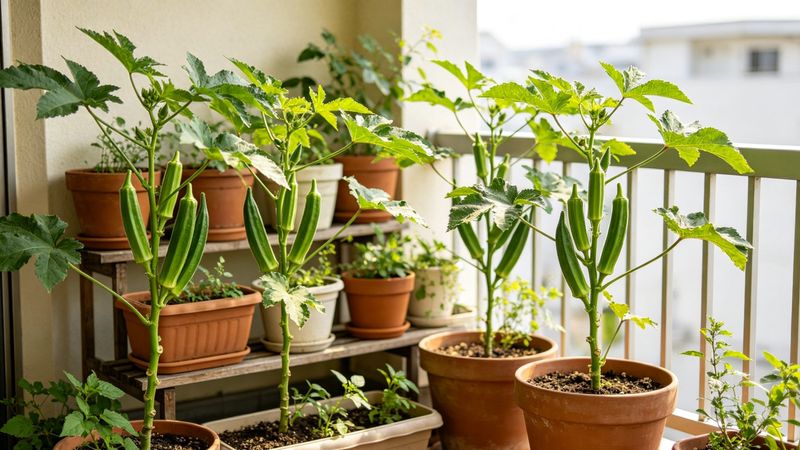
In order to address these problems, the following can be summed up:
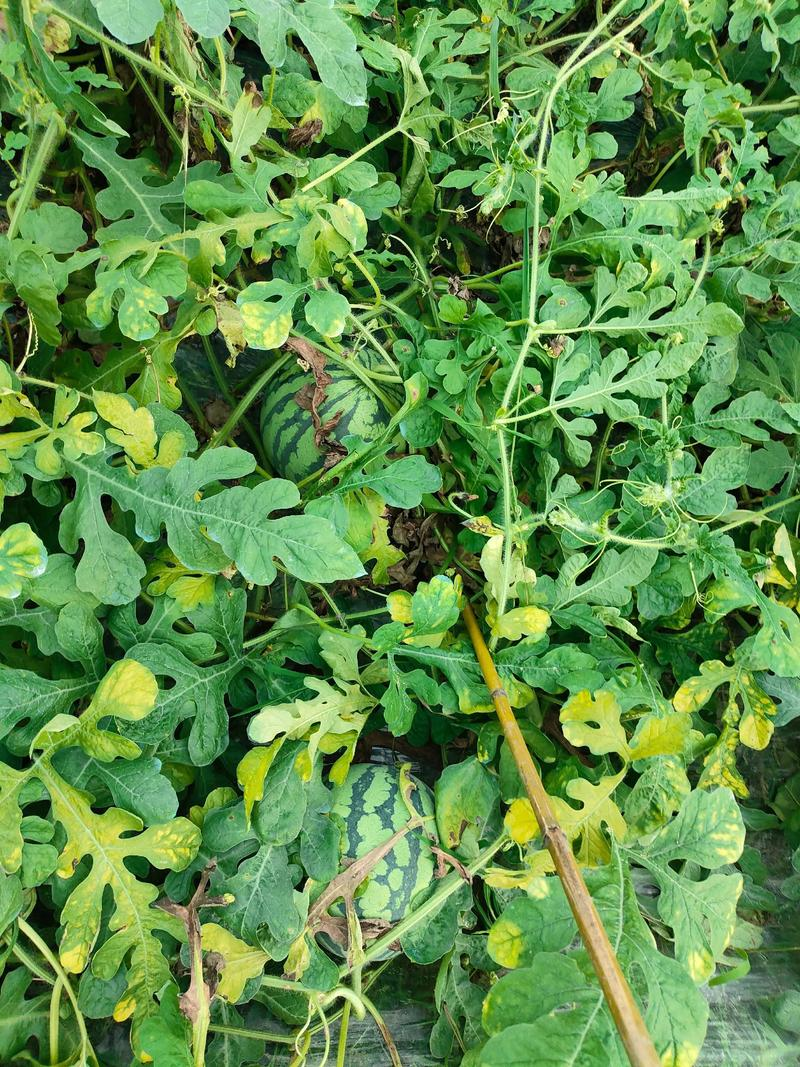
1- whole chickens: the whole chickens are carried out using a three-cranium whole branch when the main chicken is 150 cm in length and the chicken is 30 to 50 cm in length. Keep the main chicken and two strong chickens into three chickens, and cut off the extra chickens in order to concentrate the nutrients and promote early flowering. Especially when the flower blooms, the chickens cut off two to three times before and after the festivities, in favour of sit-ins。
2. Artificial pollination: following the flowering of a watermelon, opt for the ideal seat of the sitting fruit festival, which is used every day from 6 a. M. To 8 a. M., to order the female flower that was opened on that day (i. E., two touchings). When flowers are lit, the female is placed in pre-prepared paper bags to prevent rain from entering, and after three to five days of sitting fruit, the paper bags are removed or put under the watermelon. This will significantly increase the rate of watermelons in the rainy days。
3. Creaming or strangling of the pomegranate: when the watermelon sits on the fruit, 10 to 15 leaves are left on the top of the main chicken for core extraction to control its growth, concentrate its nutrients and promote its expansion. Or strangling on the penis behind the guacamole, and hearing the sound of kaa, so that the guacamole can sit。
4. Rational application of fertilizers to regulate growth: in the management of fertilizers, control of nitrogen fertilizer use, increase of phosphorus, potassium fattening, reduction of the number of water utensils, and control of nutritional growth by strengthening the whole branch, deep-seated chickens, etc. Before and after flowering, results can increase the rate and growth of watermelons and improve the quality of watermelons; they are fertilized with strong fruit; when a watermelon is punched in the first hour, the acre is fertilized with a combination of 10 to 15 kg; and, in addition, with a pancake of 50 to 75 kg, supplement the nutrients and promote the growth and expansion of the watermelon。
5. Timely prevention and treatment of the disease: successive rainy days can lead to severe outbreaks of watermelon anthrax, atrophy, etc., which require timely treatment. One method is to remove the leaves and branches in a timely manner. The 2 melon fields are surrounded by drains and water tables are lowered. The prevention and treatment of watermelon anthrax, among others, can be carried out at a rate of 7 to 10 days or on a day-to-day basis, using 70 per cent of the 100 microbacterium to clear 1,500 times the liquid leaf spray. The prevention and treatment of aging watermelon can be rooted in copper formulations after the distribution of the strain. Infestation of aphids can take up to 25 per cent of the aphids per 1,000 times the fluid。
6. To take a number of complementary measures to increase sit-in rates, such as vinegar, spray cell division or cactinin:
When watermelons grow between one and two leafs, watermelons are sprayed 500 times more liquid vinegar each before and after flowering, enabling them to mature five to six days early and increasing production by 30 to 35 per cent。
Spraying cell stylists are sprayed with cytosyte solutions in watermelon during flowering, with an increase of about 20 per cent in the rate of sitting fruit, 1. 5 to 2 degrees in sugar and 27 to 30 per cent in output. Methods used: in late may or early june, the first spray was carried out at 5-8 knots; after the first spray, the buds were concentrated for the second spray; and then the spray was sprayed about every five days, usually four times. The concentration of cell separators is 50 grams of separators at each time dissolved in 25 kg of clean water. 1st and 2nd, 25 kg water solution spray per acre and 3rd and 4th, 50 kg solution spray。
The low concentration of cactin is 20-30 ppm of pecan sprayed with pecan size. This is done by first calling it 1 gram of cactinin, dissolved in 50 grams of alcohol, then cutting water to 30 kg of water with 25 ppm of water solution, spraying melons with small sprayers, or coatings with hair pens, with a marked guacamole after 3 to 5 days。