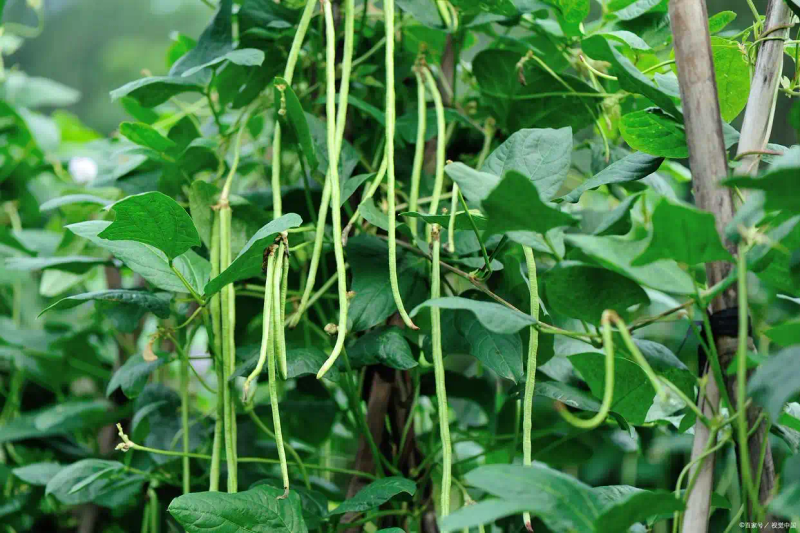
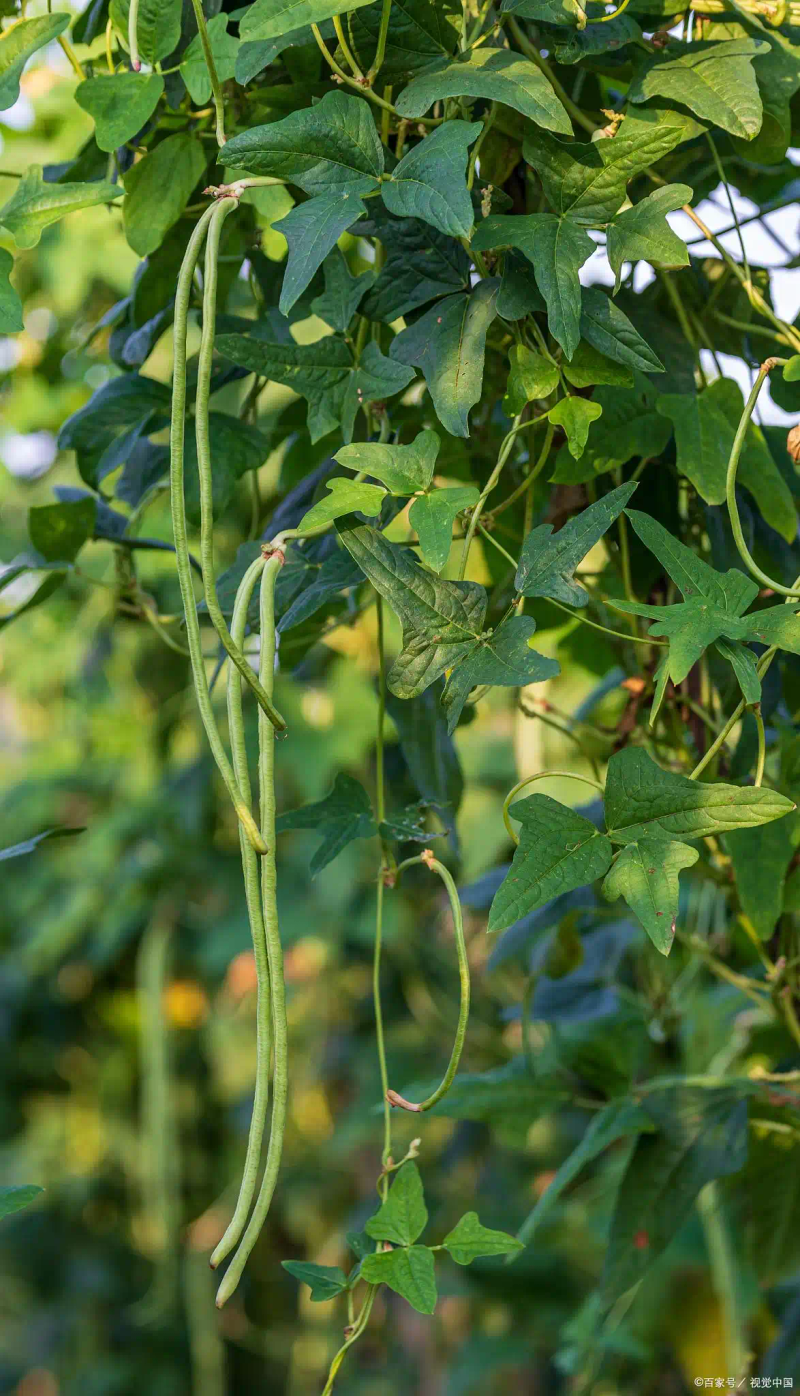
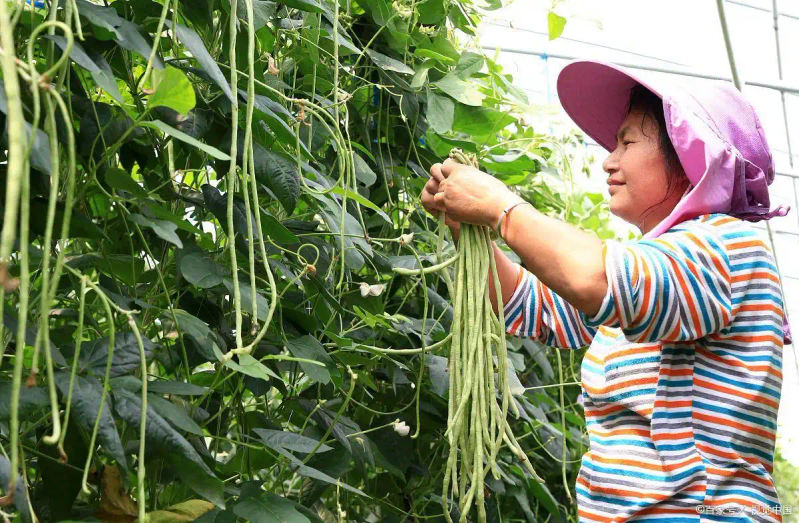
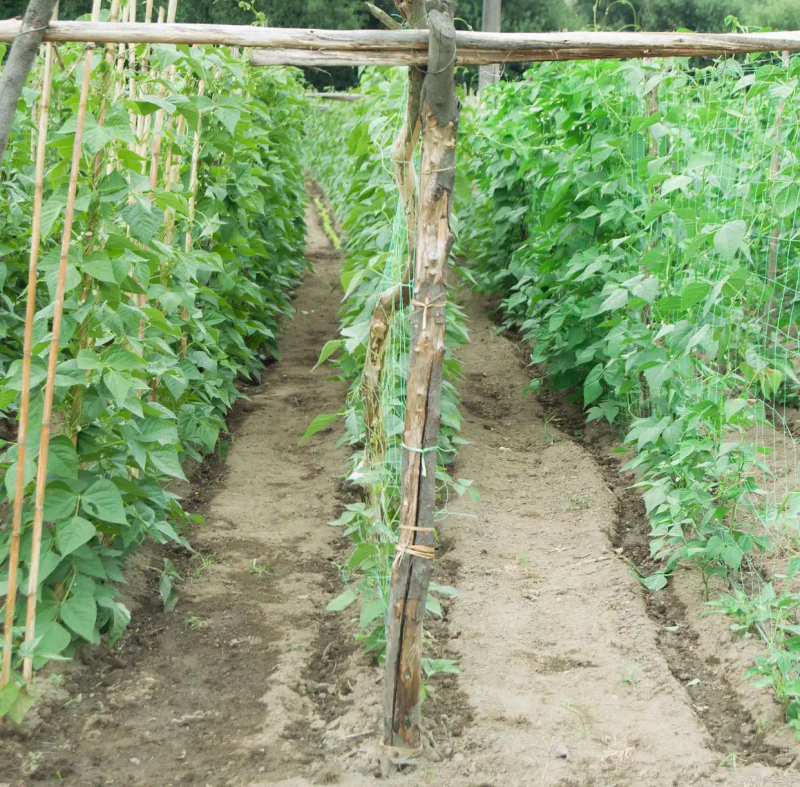
The choice of the timing of seeding, which is an important summer vegetable species, directly affects yields and quality. In the context of our experience with climate differences and cultivation practices in the north and south of the country, the optimal seeding period of long bean bean is based on a combination of factors such as temperature, variety characteristics, regional characteristics, etc., for scientific arrangements to achieve high productivity stability。
Temperature conditions: core indicators of seeding
Long bean bean is a warm, heat-resistant crop with a minimum seed budding temperature of 10 - 12°c, but with a maximum budding temperature of 25 - 30°c. This is the key threshold for avoiding scavenging when the average daily temperature is stabilized at 15°c for five consecutive days in the spring. It is worth noting that experimental data from the agricultural sector (source: network of officials of the district government) in that district in kanxi province allow soil temperature to increase by 3-5°c through membrane cover and 15-20 days before field cultivation. However, there is a need to be wary of cold weather, which can lead to a decline of more than 50 per cent in seed yields if seeding is followed by a continuous cold below 10°c。
Ii. North-south regional disparities: local-specific seeding strategies
1. **south china (two broads, south china)**
The anniversary could be implemented, but was mainly broadcast in the spring of february-march and in the autumn of august-september. In other places, such as hainan sanya, using the warmth of winter springs, the planting of seeds between november and january of the following year has allowed early springs to be marketed at prices that are 30-40 per cent higher than in the boom season (source: 100-plus farmers)。
2. **the yangtze river basin (king, two lakes)**
In the spring, planting will take place between the beginning of april and mid-may and will be guided by the traditional agricultural proverb "beautiful, before and after " . In the case of some cooperatives in jiangsunantong, the use of the "big + small archipelago" double layer to keep warm allows the planting period to be advanced until late march (source: china heenon network)。
3. **the hwang huai sea area (henan, shandong)**
The field cultivation was good from late april to early may. The experience of the sunshine facility in shandong has shown that the solar greenhouse can sow in late january and be planted in february, increasing production by 20 per cent over traditional patterns。
4 ** north-east, north-west**
It will be necessary to wait for the full recovery of the temperature in mid-may to sow. Heilongjiang farmers chose to sow around 20 may, using black membranes to improve the temperature of the ground and ensure safe seedlings in early june。
Iii. Classification and transfer
1. ** the pre-literate varieties** (e. G., 豇28-2) have a high capacity for temperature resistance, with the yangtze river basin growing seedlings at the end of march and planting by mid-april. The hunan yuyang experiment shows that such varieties are 10-15 days in the morning compared to conventional species。
2. ** the medium- and late-literate varieties** (e. G. "green dragon bean horn") take 90-110 days to be born, and it would be appropriate to sow them in the northern plain in early may to avoid early fall frost in the post-natal period. Data from the hebei corridor farm station indicate that the delay in planting after 20 may will result in a 15-20 per cent reduction in the yield rate。
3. **specific species**: the requirement for increased temperature is higher for vegetated bean horns (e. G., "chron 1 " ), which should not be broadcast later than 10 september in the south china region, otherwise the flowering period will experience a significant reduction in production。
Iv. Transport arrangements and rotation requirements
1. ** springs**: the pre-planting of winter fields or early spring vegetables requires ensuring that the soil has been unfrozen by more than 15 cm before planting. The "garine-bean horn" rotation model, promoted in hubei county, can increase the production of longbeans by 12-18 per cent, taking advantage of the post-harvest fertility advantage of garlic。
2. **summer autumn**: the northern region should guarantee a harvest period of more than 60 days without frost at the latest. The practice of the inner mongolia commons shows that sowing before 10 july still yields two to three batches。
3. ** plantation of facilities**: plastic sheds can prolong fertility by 30-45 days. In zhejiangtai county, the "early spring + late autumn" model reached the seven-month annual harvest by planting in february and august。
Soil preparation and seeding techniques
1. ** holistic standard**: 20-25 cm deep cultivation is required, with 3000 kg + calcium phosphate as base fertilizer per acre. In guangdong, farmers in gao county use the "standing two lines" plant, which is 20 cm tall and effectively protected against flooding。
2. **screen density**: chicken species with a range of 60-70 cm and dens of 25-30 cm each, 3-4 cm; short species with a range of 40 cm and dens of 20 cm. Comparative experiments in sichuanda state confirm that a reasonable tight planting can increase acre production by 150-200 kg。
3. ** hydraulic management**: soil is suitable for 60-70 per cent water content at seeding. Anhui and the county innovation technology of "pre- and post-scatter grass" have stabilized at over 95 per cent。
Vi. Meteorological disaster defence measures
1. **spring against low temperatures**: jiangsu agricultural institute recommends that the application of 0. 2 per cent potassium phosphate + 5 per cent red sugar in case of fallout enhances the resistance to cold。
2. ** high temperature prevention in autumn**: research at hunan university of agriculture shows that seeding in early september covered 7 to 10 days with a sun-shield net could reduce the daily burning rate of seedlings by 30 per cent。
3. ** rainy season flood prevention**: guangxi master station for agricultural extension demonstrated the technique of "deep dynamite high tunnel + drain" which reduced the affected area by 60 per cent during the period 2024。
Market-oriented seeding decisions
According to a 100-person wholesale market study, the beans planted in may-june were on the market in july-august at short notice, usually at a price of 0. 8-1. 2 pounds higher than in the season. In september, however, autumn bean, which is on the market, needs to be adapted flexibly to local consumption habits, owing to low supply and high price volatility。
Taken together, longbean horn seeding is not a simple temporal choice, but requires systematic decision-making that integrates such elements as physical observation, variety characteristics, facility conditions, market expectations, etc. Farmers are advised to refer to the vegetable cultivation calendar published by the local agricultural sector and to make a final determination in the light of short-term weather forecasts, where necessary by spreading the risks in stages (7-10 days)。