


Timing of cultivation
Long bean horns prefer to grow in a warm environment, with field cultivation taking place in the spring (february-march), summer (may-august) and autumn (september-october), when the climate is mild and the rain is abundant and the soybeans grow. For an open period of time, large sheds can be cultivated four seasons a year。
Ii. Selection of varieties
In different seasons, the corresponding bean horn varieties are selected, with spring and summer field plantings choosing varieties that do not require strict sunlight, such as may fresh, red-speech, etc., and autumn cultivations with strict requirements for sunlight, such as august zhejiang, xanax, zhejiang, etc。
Land selection
1. Long bean horns are suitable for growth in * layered, deep, water-preserving and fertile *borders, and, because of the short root system of long bean bean bean horns, they require that the area where they are grown be * moderately soaked, and that, for the proper growth of the root line, replanting should be avoided as much as possible。
2. Prior to broadcasting, the surface must be flat and broken, and the debris of the front crops must be effectively cleaned, along with the floor weeds and debris. The whole ground is accompanied by a suitable mass of fertilizers used as base fertilizer, dominated by potassium nitrogen phosphorus fat, which in turn ensures the normal growth of the longbean bean。
Iv. Cultivating seedlings
Long bean horns can be sowed directly or replanted. Cultivation is an appropriate means of curbing plant growth and improving outcome rates. When temperatures are stabilized at 10 °c, they are sowed with a single line of artificial indium, at a distance of 30 - 32 cm, and 3 - 4 seed seeds, * 3 cm, and a layer of corrosive membranes are planted in each plume. Under normal conditions, four to seven days can be sprouts, and the membrane will be lifted in time for temperature to be maintained at 20-25°c。
V. Field management
1. Reasonable water distribution: a watered root water may be poured when the seedling is basically ready, followed by a 10cm high seedling combined with weeding*, from then on until the bouquet is opened. It can be followed by water, and when several bouquets appear, the water will be watered. The second water will be poured when the mid-to-low turbo is extended and the middle-to-top bouquets appear, and later into the turquoise period。
Scientific fertilisation: long bean horns fertilisation, long-term increase of potassium phosphate fertilizer, usually in consumable piles and composting. Following the present reais, human and animal dung water is pursued from 800 to 1000 kg per acre; and fertilizing with water and 20 to 25 kg per acre of phosphate is applied again, depending on the situation. In the latter stages of defertilization, 0. 2-0. 3 per cent urea or potassium phosphate are sprayed on the leaves。
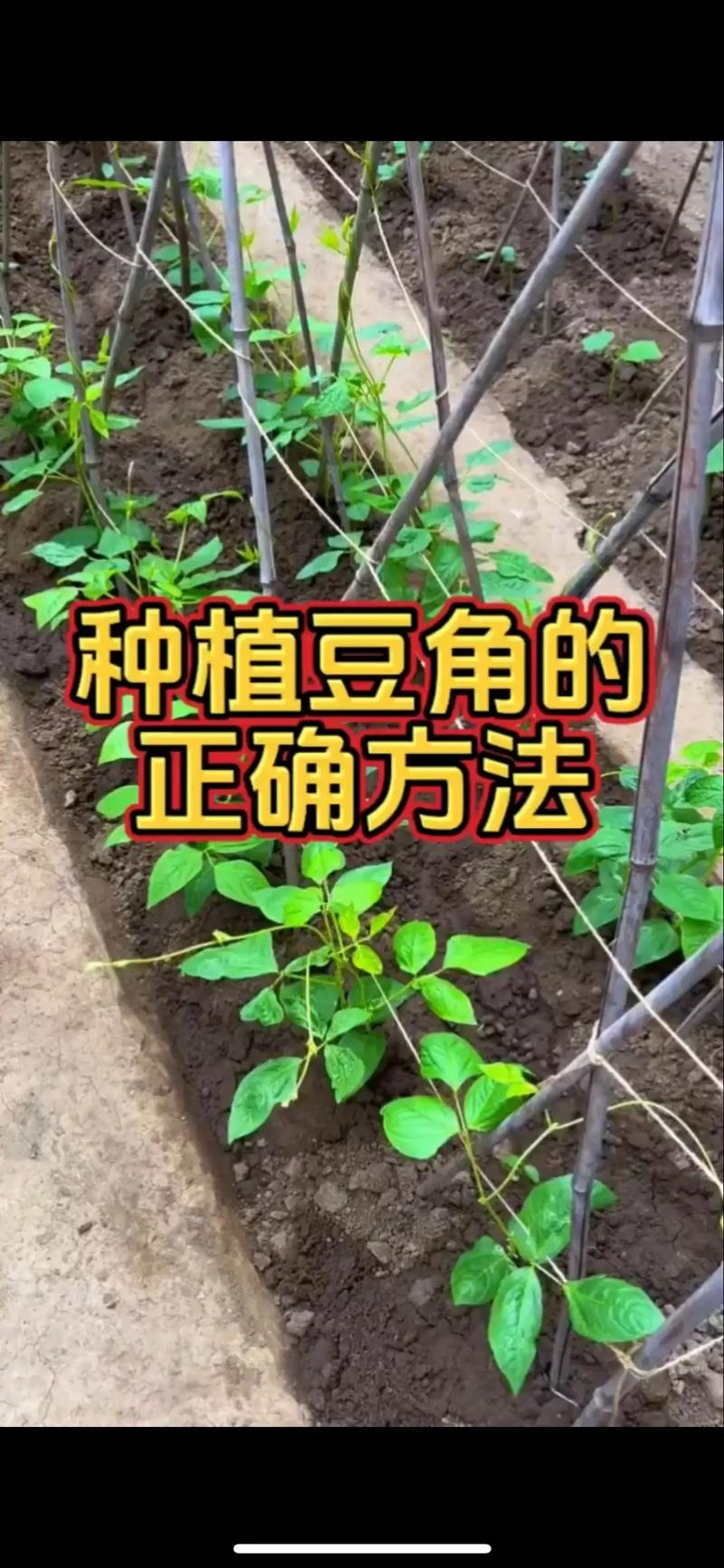
C. Accompaniment of chickens: the soybean seedlings, which are a root and root crop, are suitable to facilitate the mating of soybean vines, which are usually inserted when the plant is up to 17-33 cm and is about to be smoked, using a leash to lead the chicken to the frame, so that the chickens are evenly spread over the shelf。
4 pest control: measures to combat pests and diseases include, inter alia, strengthening field management, scientific medicine, cleaning fields, etc. The main diseases of the long bean bean are rusty, leaf-leaf disease, and root causes, which are treated in a timely manner and in a targeted manner if they occur。



