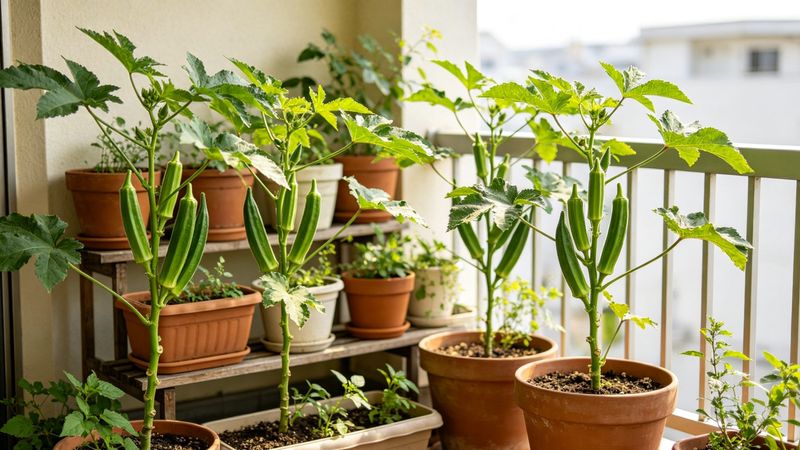
Let's talk about pineapple cultivation
Thesis keyword pineapple; gardening; cultivation techniques
The paper presented a summary of the technology used to plant pineapple in the sea, including in the areas of park selection, seedling breeding, gardening, measures and harvesting, with a view to the efficient production of pineapple in the sea。
Artocarpus heterophyllus lam. Sanco pineapple is a common green wood, also known as pineapple, pineapple, originating in western india. Pineapple is a fruit, tree, food, good fruit tree with a view to seeing it. Hainan is a major growing area, as well as tropical and subtropical areas such as fujian, yunnan, guangdong and guangxi. In the late 1980s, malaysian non-geled pineapple varieties were introduced from abroad, and malaysia 1 and 6 were selected for use in production. Their cultivation techniques are described below。
1 park selection
Pineapple is a tropical fruit tree and temperature is the most important factor determining whether pineapple can be cultivated. The annual average temperature is 22°c, the coldest average monthly temperature is 13°c and the absolute minimum temperature is 0°c. As commercialized cultivation, it should be developed in areas with a minimum monthly temperature. Pineapple honey grows better in areas with sufficient moisture and annual rainfall above 1,200 mm. It is deep-rooted and drought-resistant, but should focus on drought protection and humidization, especially in the autumn and winter, where irrigation measures are desirable to ensure normal crop growth. Pineapple honey requires plenty of sun, but it is also quite obstinate, and the seedlings are more afraid of the sun, so that it can be properly and rationally planted and nourished with the seeds of gills, dragon eyes, yellow skins, bananas and mackerel. Pineapple is less demanding for the soil, and most of the soil can adapt to its growth, but is best served by fertile, humid and deep soils. The pineapple honey grown on the edge of the village, behind the house, on the side of the road, in parks, in towns and cities is growing better, with abundant leaves, high yield and good quality, and can be both aesthetic and more economically efficient。
2 seedlings
Seed breeding, sprout breeding, high-altitude bar breeding are possible, and seed breeding is predominant everywhere, and rapid seeding techniques using tissue culture have made a breakthrough in india。
2. 1 seed reproduction
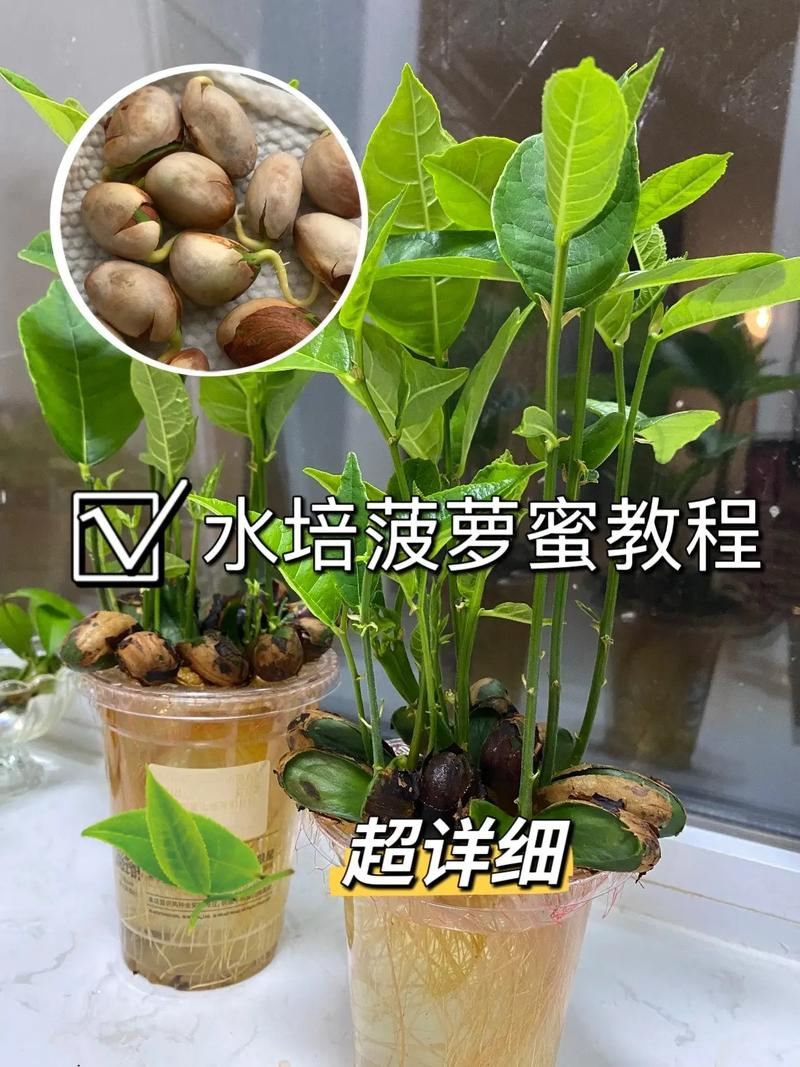
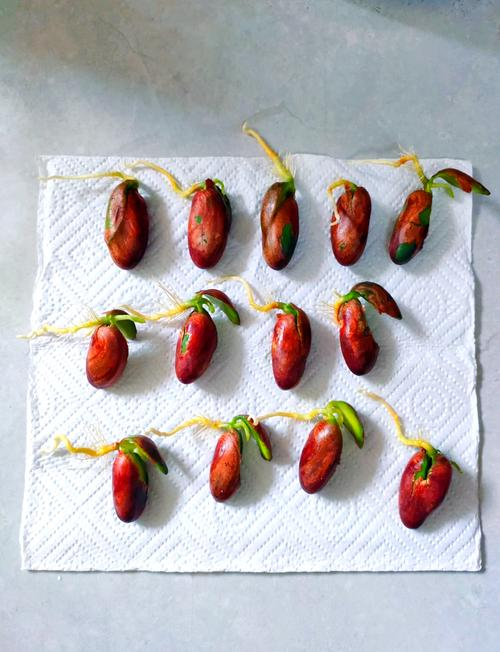
The fruit master selects the fully mature, well-developed, disease-free, dry fruit for seeding, washes it with water, then sprouts on the sandbed, covering the sands of the river with 1 to 2 cm, and a layer of straw with a daily shower of 1 to 2 times per day, after a week or so, sowing its roots that the seedlings may grow leaves of 1 to 2 pieces. In order to overcome this disadvantage, it is advisable to cut the main root, which is immersed in a 50 mg/kg root powder solution, in order to encourage re-emergence and increase the rate of survival, because of the fact that the main roots of pineapple seedlings are particularly well developed and very small and the side roots are not readily available for transplantation. It would be preferable to have a nutrition bag, a plastic bag of 25 cm x 35 cm, and a trophic soil of cow dung and topsoil of 3 in 7。
2. 2 breeding
Pineapple seedlings grow to more than 1 cm in diameter and are sprouted by retrenching. One-year-olds are selected for excellent varieties (the best at the current stage in hainan is mainly malaysia nos. 1 and 6) to be poached by the lumber, which should be kept wet, preferably along with them, and be available throughout the year in hainan, but with a high rate of sprouts during the rainy season in april-october, during the tree growing season, when beaks and beaks are easily skin-skinned。
3 parks
3. 1 reclamation and den-drilling for fertilizer
The flat or sub-five-degree slopes are ploughed and levelled once. The hills open round hills or terraces with an equal height, with a width of 1. 5 ~ 2. 5 m and a slope towards the interior to protect water。
Pineapple is generally planted 225 ~ 330 / hm2 in the hainan area at the range of 5 ~ 6 m and 6 ~ 7 m. Dig deep, wide and deep, 0. 8 to 1. 0 m. The topsoil is separated from the subsoil when it is dug. After returning to the soil from 1 to 2 months before planting, the topsoil was applied to the bottom floor, followed by weeds, leaves and lime 0. 5 kg, then to one layer of top soil, pond mud, animal dung 50 kg and phosphorus 0. 5 kg (with a better effect of 50 to 100 g of bacterium in the den) and to one layer of topsoil filled with 20 cm above the ground. This will allow planting to begin once the earth is sunk around 15-20d。
3. 2 emplacement
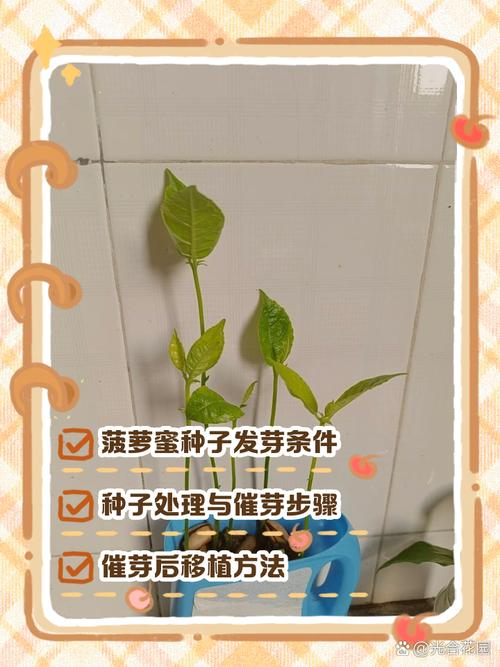
Hainan planting is available throughout the year, but in the spring. It's about 25-26cm tall. The seedlings should be removed in order to avoid the root damage, and the seedlings should be placed in the planting grounds and then removed from the plastic bag of the dressing material, which should be filled with concrete soil, which would then be filled with the earth. The tree is covered with grass to keep it wet, properly shaded, and soaked with water。
4 measures
4. 1 reasonable fertilization
The pineapple larvae fertilizes in order to promote the growth of branches and rapidly form tree canopy, and in addition to organic fertilizers for the winter, quick-impact fertilisation and sprawl before each new prop. As a result, the tree re-applysed organic fertilizers with a small amount of quick-effect fertilization after harvest to restore the tree position, improve the function of the blades and promote the separation of buds. Fast-acting fertilisation before the onset of the spring, before the gravitation, promotes new growth and gravitational development. The application of fertilizers in the event of a rapid increase in fruit production promotes its development。
4. 2 sufficient water
Pineapple requires adequate moisture, especially during flowering and fruit development, if prolonged drought, loss or stagnation of the small fruit, small malformations of the fruit, blankets of thin meat and poor quality. Therefore, in the event of over-drying, irrigation should be sought. However, during the rainy season, which is prone to flooding, drainage efforts should be made to prevent the accumulation of water at its roots。
4. 3 appropriate shearing, ointment
Pineapple makes its natural growth more likely to form a natural circle crown. Cutting is mainly the cutting of dead branches, thin branches and twigs, and the cutting of fruit after cutting off the residues of trunks, large branches and male branches. In particular, the winter cutter is used, as well as suitable post-harvest and spring cut. Succeeding is a special trim and, if the result is too high, the fruit is trimmed when the fruit grows as big as apples, with two fruit per fruit in the first year, four fruit in the second year and approximately two to three fruit per year thereafter。
4. 4 circumcised, circumcised flowers
Pineapple planting, which does not produce results for many years after planting, or where excessive nutrient growth affects flowering results, can be followed by carving or circumcising on trunks, main branches, increasing the accumulation of nutrients on top branches of the earth, and promoting the production of flowers, or by carving (with knives and axes) every 30 cm on the main branch of the tree, which can also contribute to flowering results. The emulsions do not have to be wiped out as long as the puncture does not hurt the wood。
4. 5 pest management
The main pests of pineapple are oxen, beetles, moths, aphids, gold turtles, larvae and foliage, coal-smoke, and figs. The hazards are widespread and severe, and the branches are dry, resulting in fluids, strewn branches, weak trees, empty trees and even rotting deaths. Insects can be hunted, eggs scraped, or tree trunks and needle-drilling holes painted with 100 times dichlorvos + 800 times propylphosphorus (or 600 times as poison)。
5 collection in due time
The pineapple fruits grow for about four months and mature in june-august, with their maturity concentrated in different regions, with high temperatures, early flowering, faster growth and early maturity; lower temperatures, later flowering, slower growth and later maturity. Pineapple honey, due to its long duration and maturity in the same plant, has to be harvested in stages to ensure quality, increase production and contribute to the restoration of tree positions. When hexagonal tumours of fruit peels come up round, have a full outer shape, touch the skin softly and smell the aroma. Take 2-3 d and eat. The maturity of the fruit can be determined by the following method: one leaf close to the handle is yellowly separated and is a symbol of the maturity of the fruit; if it remains, it is only 8-9. The two struck the fruit with wood and bamboo sticks, and those who were dumb and sank matured, and those who were silent were not familiar。