


Web3. 0 technological structure: decentreization of the bottom support of the internet。
As the third generation of internet development, with the “value interconnection” at its core, web3. 0 has broken the monopolistic pattern of the central platform of the web 2. 0 era, reshaping the underlying logic of data ownership, value flow and network governance. Its technical architecture is not a single-technology innovation, but a multi-layered, decentrized technology warehouse that integrates distributed storage, encryption technology, intelligent contracts, etc., at the centre of the block, from infrastructure to application level, and achieves a “readable, writeable, accessible” web vision. The architecture, which is based on a combination of functions and synergies from the bottom to the upper levels, addresses data security and equity imbalances in the traditional internet, while providing technical support for the decentrization of applications (dapp) as the core building block of the next generation of value internet。
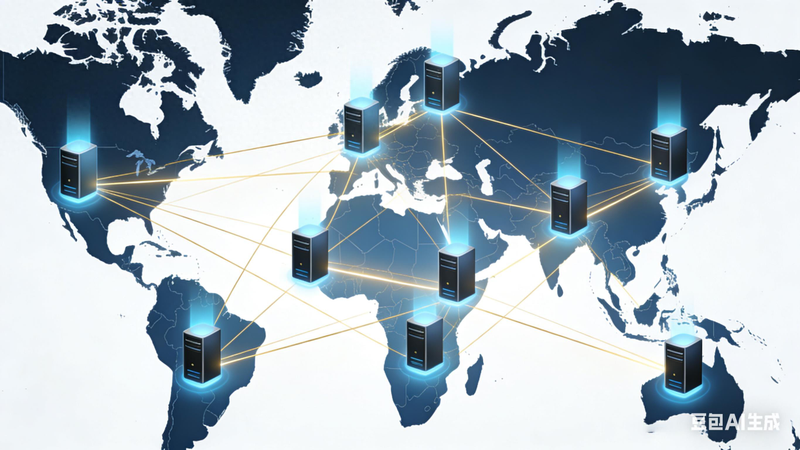
The bottom core of the web3. 0 technology architecture is the infrastructure layer and the technical base of the network as a whole, corresponding to the operating systems of the traditional internet and the network protocol layer, which determines the decentrization properties, security and scalability of web3. 0. The core composition of this layer includes block chain agreements, the layer2 amplification programme, distributed nodes network and decentrized storage systems. Area-chain agreements are at the heart of the infrastructure layer, and are divided into evm compatible chains (with the taifung, polygon, bnb chain) and non-evm compatible chains (solana, polkadot), which are ecologically mature and tool-rich and represent the development choices of the vast majority of dapps, and evm compatible chains (with higher trading speed and lower gas fees). To address the problems of congestion and high costs of public chains such as taifung, the layer2 amplification programme (arbitrum, optimism, zksync) has become an important component of the infrastructure layer, significantly increasing the efficiency of transaction processing through batch processing and aggregation of results up the chain, which is a necessary support for high-frequency applications such as gamefi, decentrization socialization and so forth。
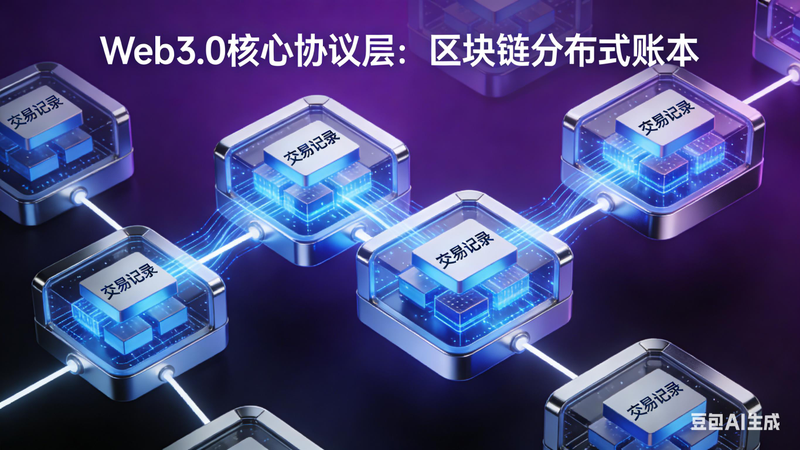
Distributive nodes and rpc services are bridges linking applications to block chains, and developers can reduce the development threshold by allowing data access and transaction delivery through rpc service providers such as infra, alchemy and others; decentrization storage technologies replace traditional centralized cloud storage, with ipfs, arweave, filecoin and other agreements to store data decentralizedly at global nodes through content-searching, p2p networks, avoiding single-point malfunctions and data tampering, while providing incentives for the participation of nodal maintainers in storage network construction and achieving data sustainability and resistance. In addition, infrastructure layers have integrated green distributed nodes technology, reducing energy consumption by optimizing consensus mechanisms and allowing personal equipment to participate in nodal building, further reinforcing the decentrization properties of the network。
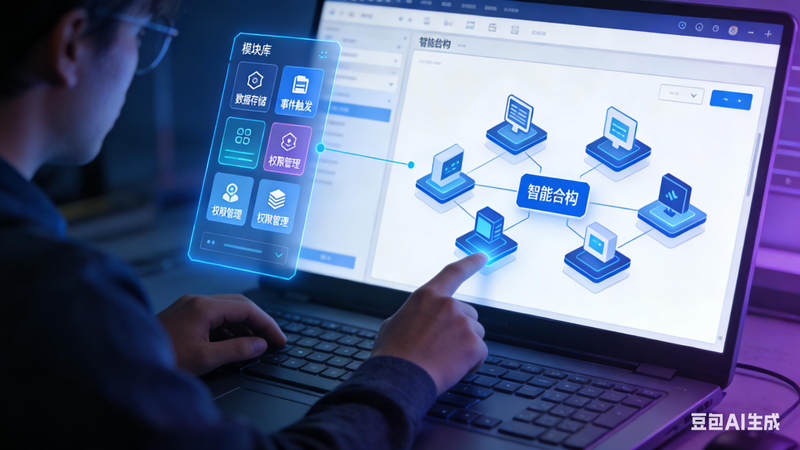
Above the infrastructure level is the web3. 0 protocol and core logic layer, which is the key to linking bottom-level technology to upper-level applications, with the core functions of rule definition, automated implementation, identity authentication and data interaction, and the core expression of web. 3 “value programmable”. Its core components include smart contracts, decentrized identities (ids), encryption techniques and prophecies, of which smart contracts are the core engines of this layer. An intelligent contract is a programmable code deployed on a block chain, written in the languages of solidity, rust, which, once deployed, cannot be tampered with, automatically executes transactions, asset transfers, rule landings, etc., when predefined conditions are met, achieves “untrusted collaboration”, completes value flow without the involvement of third-party intermediaries, and is the core logical vehicle for applications such as defi, nft, dao, etc。
Decentrization of identity (id) is based on pki, which allows users to have digital identity under their own control, without relying on platform authentication, and achieves cross-chain, cross-application identity recognition as a “digital identity card” for users in web3. 0; asymmetric encryption, zero-knowledge certification, etc., guarantees data security and privacy protection, with users controlling digital assets through public and private keys and completing identification and transactional confirmation without disclosing specific data; the prophecy solves the problem of a block chain “data isolation”, which transmits real data from the real world to the chain and provides external data support for the implementation of smart contracts. In addition, this layer contains data indexing protocols (e. G. The graph), which converts the muddy block chain data into processable structured data at the front end and enhances the data analysis and reading efficiency of applications。
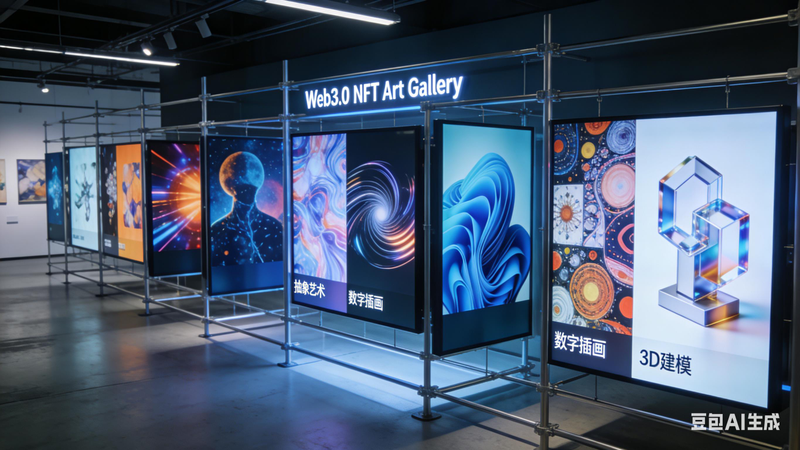
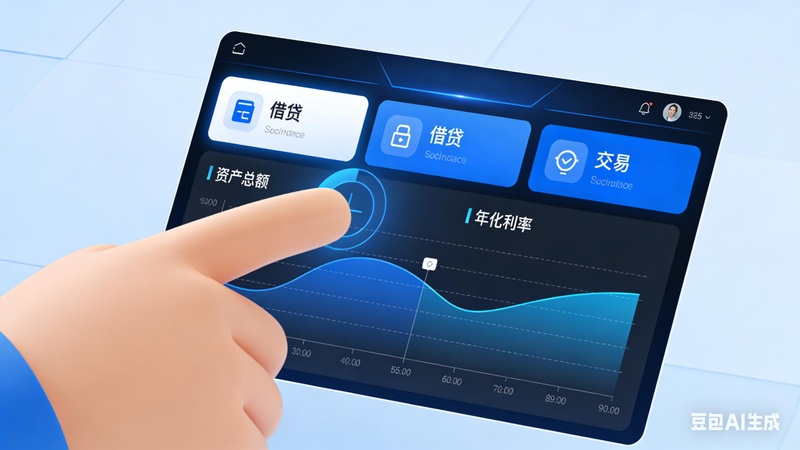
The top layer of the architecture is the application layer and the interactive layer, as well as the level of direct contact with users. The core is the decentrized application (dapp) developed on the basis of bottom-level technologies and protocols, and the tool system that provides interactive access to users, which enables commercialization of web3. 0 technology to reach users. The application-level dapp covers multiple scenarios such as decentralised finance (defi), non-homogenic tokens (nft), decentralised socialization, gamefi, dao governance, etc., which reject the logic of a centralised platform in black box, where all rules and transactions are executed through smart contracts and where data and asset ownership are owned by the user. For example, the defi platform has decentralized lending, trading and mobile mining, the nft platform has completed the digital asset validation and trading, and the dao has decentralized community governance through smart contracts, with all participants able to determine the direction of the platform through token votes。
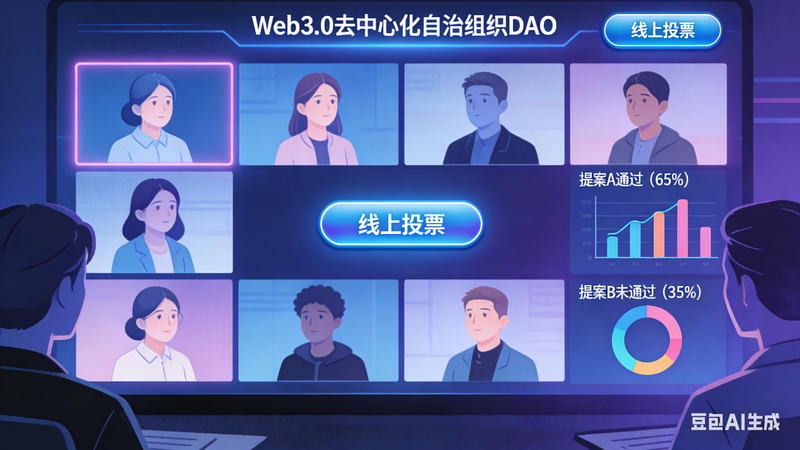
Core tools for the interactive layer include web3 wallets, decentrizers and cross-chain bridges, of which web3 wallets (e. G. M)Etamask, trust wallet, which is the user's core portal, is not only a storage tool for digital assets, but also a user's identity document. All chain operations are identified through wallet signatures, enabling users to exercise absolute control over assets and data; decentrizers support real-time queries and analyses of chain data, giving users access to all information on transactions and applications; and cross-chain bridges solve the problem of multi-chain ecological interconnectivity, enabling asset and data transfers between different block network networks and breaking ecological isolation between chains. It is noteworthy that the web3. 0 application layer does not completely reject web2. 0 technology, but rather uses a “mixed architecture” that balances cost control with business flexibility by following traditional technology repositories such as java, python and core asset transactions, data validation and so forth。

In addition to the three-tier core architecture, the ces is an important underpinning that runs through the web3. 0 architecture and is key to achieving ecological co-sharing. Token is not only a medium of trade, but also a “vote” and incentive tool for ecological governance. It is a model of a communicative economy designed by smart contracts that allows all ecological players, such as nodal maintainers, developers, users, content creators, etc., to receive a reasonable return on value. For example, nodes maintainers of distributed storage networks can access storage tokens, users of dapp can obtain platform tokens through content creation or community contributions, and holders of tokens can participate in ecological governance, creating a “co-building-sharing-co-management” ecological closed loop that will contribute to the continued development of the web3. 0 network。
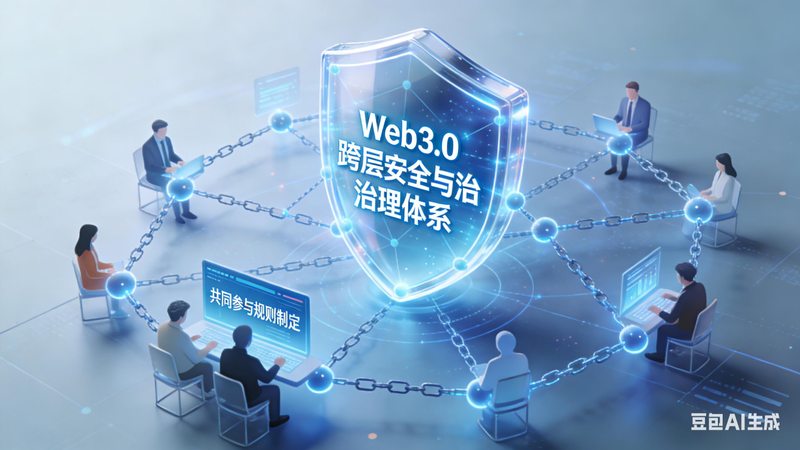
The current web3. 0 technology architecture is still in the development stage and faces challenges such as performance bottlenecks, poor user experience and inadequate cross-chain interoperability, such as the continued inability of public-chain transaction processing to meet large-scale commercial application needs and the raising of user thresholds by issues such as private key management and gas fee understanding. However, with the iterative nature of the layer2 amplification technology, the development of the abstract account (aa) and the refinement of the cross-chain agreement, the web3. 0 technology architecture is being optimized in the direction of high performance, low threshold and high interoperable. At the same time, the integration of web3. 0 with the meta-cosm, artificial intelligence, and the networking of things is deepening, giving the architecture more applications, e. G. The meta-cosmos depend on web3. 0 to achieve virtual asset rights and decentrized economic systems, while artificial intelligence optimizes web3. 0 user interactions。
The web3. 0 technology architecture is a complex system of decentreization, multi-layered, multi-technology synergies, which essentially restores control and rights to proceeds of networks to users through technical means, re-establishing the value distribution logic of the internet. From block chains and distributed storage at the infrastructure level, to smart contracts and encryption at the protocol level, to the application level of dapp and interactive tools, layers support each other and evolve, building a secure, transparent and trusted value internet. As technology matures and the ecology continues to improve, the web3. 0 technology architecture will break the development shackles of the traditional internet, facilitate its transition from “information interconnection” to “value interconnection” and open a whole new path to the development of the digital economy。



