Interpretation of technical norms for the cultivation of grapefruit in yeung city
Cao peng fei waits
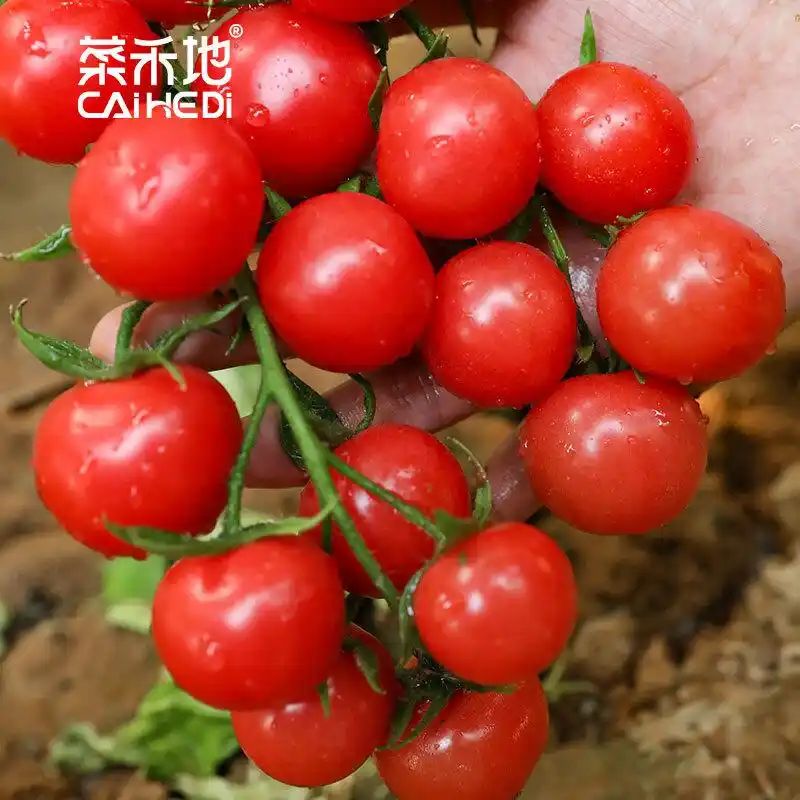
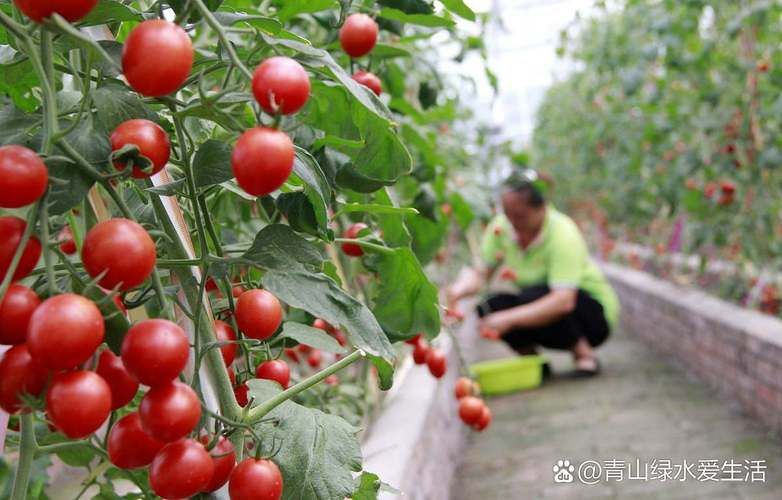
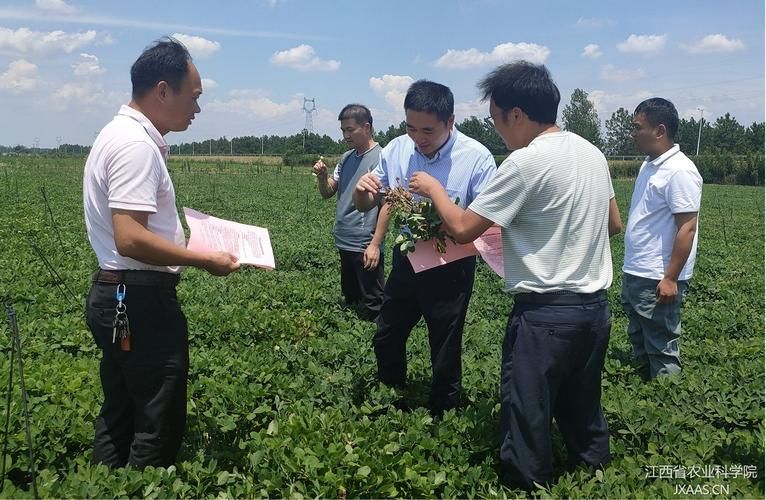
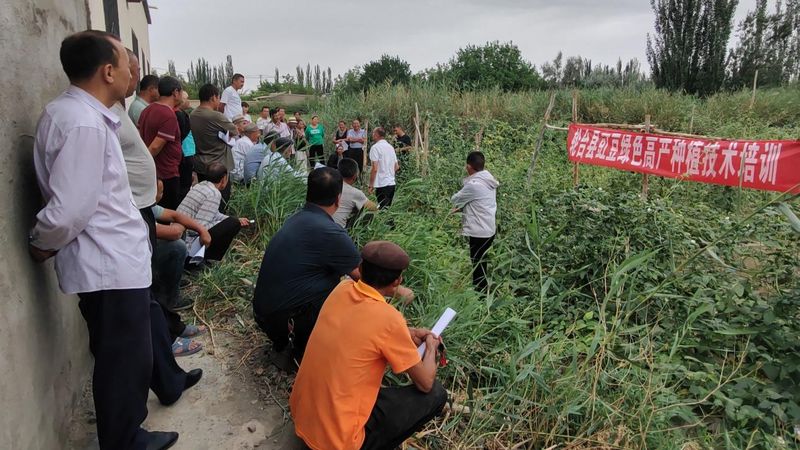
The town of yeung grows more than 2,800 acres of grapefruit (chart 1), and the main varieties are grapefruit (chart 2), and so on. In recent years, cash crop specialists from the her majesty's mission of experts on science and technology, rural technologists from yingyang city and others, through surveys conducted at the maple bases in hyeyama, quanyang district and gao xinxiang district, have developed a more sophisticated set of cultivation techniques, and have carried out demonstration applications at the maple economic co-operatives of yunxi village in sherin township, yingyang city, and the aychin specialized rice farming co-operative in yanjiang city, as described below。
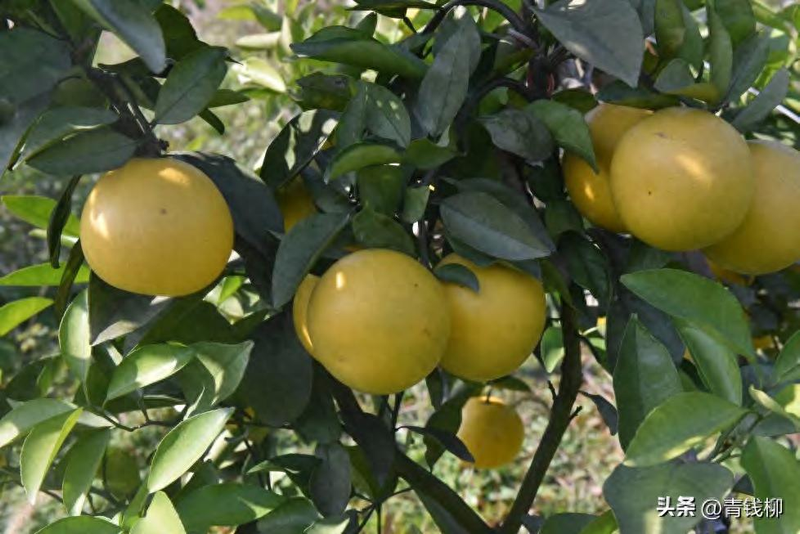
Figure 1 grape grapefruit outcomes
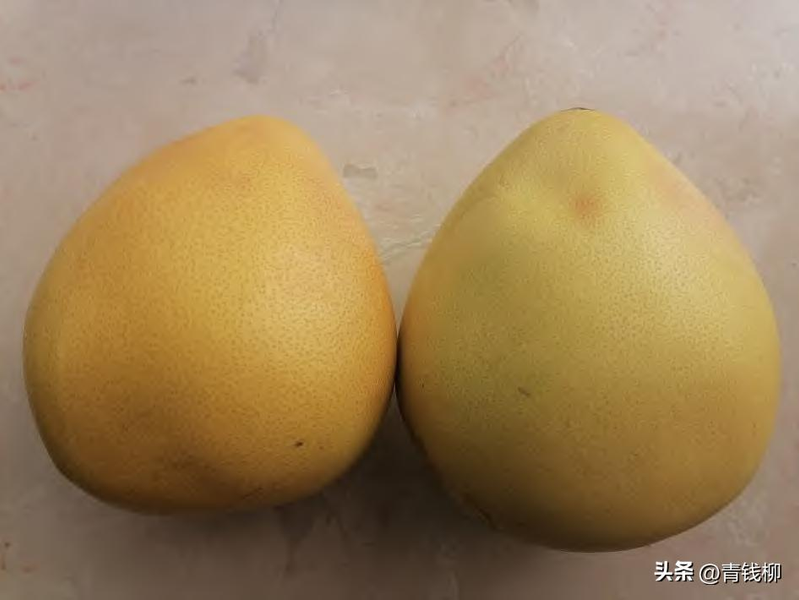
Figure 2
1. Varieties and tree quality
The selection is based on good varieties that are pure, high-quality and resilient, such as grapefruit, red-heart nectar, sand field euphoria, and three nectar grapefruit. The trees are required to heal well, to grow robustly, to keep their leaves green, to keep their mains straight, free from serious pests and pests, mechanical injuries and to have developed roots. Promotion of disease-free seedlings. Two to three days before the sap。
2 plantation
The choice of more fertile or sandy soil would be more than 1. 5% organic content, soil ph 6 ~ 6. 5, active earth layer 60 cm or more, planted. Autumn was planted in mid-september to mid-october, winter in late january to early february and spring in late february to late april. Containers can be planted for the anniversary. Line length (4-5) x 5-6 m, acre 30-40. The garden is evenly configured to pollinate 5-8% of premature grapefruit。
Plantation requires 80 ~ 100 cm long depths, with 75 ~ 100 kg of fully decomposed organic fertilizer, 2 kg of bean bean, 30 kg of grass-wood ash (or pyrotechnic ash), 1 ~2 kg of lime and 1 ~2 kg of calcium perphosphate (which cannot be mixed) to be used as base manure, completed in 2 ~ 3 ~ 4 layers before planting. Before planting, 5 kg of fattening, 5 kg of grasswood ash (or fire ash) were applied to a grown farmer for 10 days, which was mixed with soil. Land rises above 30 cm above ground level。
When planted, the root neck is required to show the ground 5-10 cm. Cover the tree with straw and tie the pillars to guard against the fall. After planting, the root water is fixed in a timely manner, and when the seedlings slow down, approximately 5 kg of urine, or 0. 4% of ammonium carbonate, or 0. 5% of urea, is poured twice a month. Prevention and control of pests and diseases in a timely manner, eliminating the germs of the branches, drought and flood prevention and timely replanting。
3. Deep cultivation and conversion
Deep soil conversion of shallow and poor-quality orchards has been implemented, expanding over the years. The three-and-five-year increase in dens after planting took place in may-june in the summer, at a depth of 0. 6 to 0. 8 metres, with each layer filling with green or corroded farmers ' fat 50 to 75 kg, lime 1-3 kg and pastry 5 to 10 kg. The adult tree, in september-october or march of the following year, was retrofitted, with local rotations outside the canopy, and was retrofitted at a depth of 0. 6 to 0. 8 metres, each time in a combination of deep flipping into green fertilization of 50 to 100 kg, and buried with the earth. 2 ~ 3 kg of pastry fat and calcium perphosphate (or phosphorus fat) can be mixed with topsoil into 20 ~ 40 cm layer。
4 made or grassed
Weeds are made of grass, which can be grown artificially in shallow, short-lived crops such as rye grass, vervain, white three-leave grass, herbs, mints or lichen. It is possible at an early stage to have shallow roots between rows, groundnuts, soybeans and soybeans and grass or green fats。
5 cover
High-temperature droughts and winters can be covered with maize straw, straw, wheat straw, weeds, leaves, etc., with a thickness of 8-10 cm and with thin film or no rag。
6 cultivated land
Each year, during the summer or early autumn seasons, weeding or inter-cropping takes place one time at depths of 15-20 cm. Each year in mid-june, in the second half of the year, and in the winter, the soil of ponds, river mud, sand or fertile soil is used to produce up to 1 to 2 times at a thickness not exceeding 5 cm。
7 fertilisation
7. 1 fertilization of larvae
The ratio of pure nitrogen to 100 ~ 300 g for single-year plantage in 1 ~3 years, nitrogen, phosphorus, potassium (in n, p2 o5, k2 o, at the same time) is 1:0. 5 = 0. 8。
After planting, 1 year of larvae is fertilized 1 ~2 times per month in march-september, with 50% of manure and animal manure per plant 5 ~10 kg (adding 1 0. 5% urea each during spring, summer and fall season)。
The number of fertilizing times per year decreased to 4 to 5 in 2 to 4 years and in february, may, july, september, november, at concentrations of about 30 per cent of manure and manure. Fertilization increases with age. One year before delivery, increased application of potassium phosphate. In combination with the prevention of pests and pests, fattening occurs between the sprouts and the precipices。
7. 2 fertilisation in the early years of life
After entering the early years, the annual fertilization rate was reduced to 3 to 4 and the soil fertilization programme for the entire year is shown in table 1, which allows for integrated water fertilisation facilities, if available。
Table 1

7. 3 fertilizing during the fertilization period
General medium fertility garden, 100 kg fruit and 1~1. 2 kg nitrogen pure. The year-round ratio of nitrogen, phosphorus and potassium mass was 1 :0. 8 ∶ (0. 8 ~0. 9). Targeted supplementation of micronutrient fertilizers. The fertilization programme during the fertilisation period is shown in table 2 and has the capability to use integrated water fertilizer facilities。
Table 2 adult grapefruit soil fertilisation programme throughout the year

7. 4 leaf fertilization
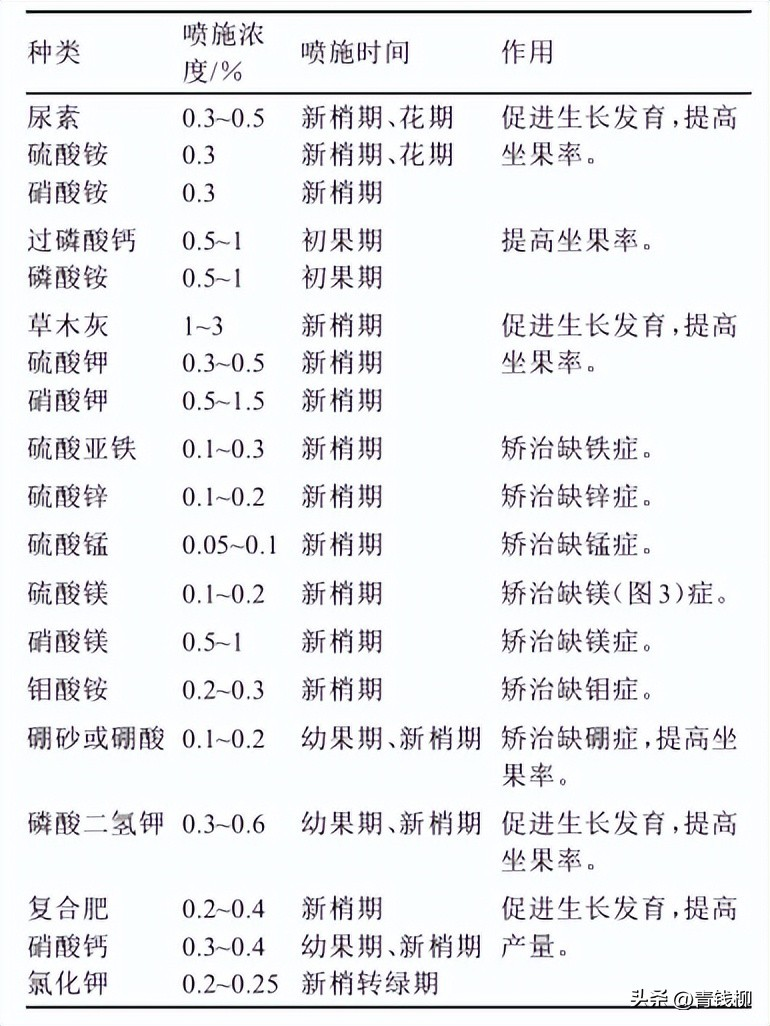
Different types of leaf fertilisation are selected for different periods of growth and development, such as fresh extraction, flowering, long-term early fruit production, growing fruit and colouring of fruit. The fruit was cut before 30 days. Common folic fertilization and application concentrations are shown in table 3。
Table 3
8 water management
Drought should be irrigated in a timely manner during spring seasons (march-may) and during flowering (july-september); water should not be overstretched at a time after drought. Water is properly controlled during winter. Water is drained during the rainy season or when orchards accumulate。
9 form
It is mainly in natural circular shape, with a backbone height of 50 ~ 60 cm, with three ~5 branches, each with two ~3 branches。
During the winter season, shears and breeds trees, cutting out extra branches and insect branches, leaving more of them with no leaves and fewer leaves. The summer and fall trimmed mainly by grafting, pulling in time, opening the main branch at an angle of 40° ~ 55° and removing the dense outer branch。
10 cuts
10. 1 teenagers
The larvae summers, autumns, 8-10 leaves, cut to the top, with a length of 20-25 centimetres. As a result, it was inappropriate to worry about the fall of the previous year. Erase it every 5-7 days until it stops. The larvae spends the summer season from late may to mid-june; the first result is a modest summer season from the end of june to the beginning of july; and as the number of results increases, it should be controlled。
10. 2 adult tree trim
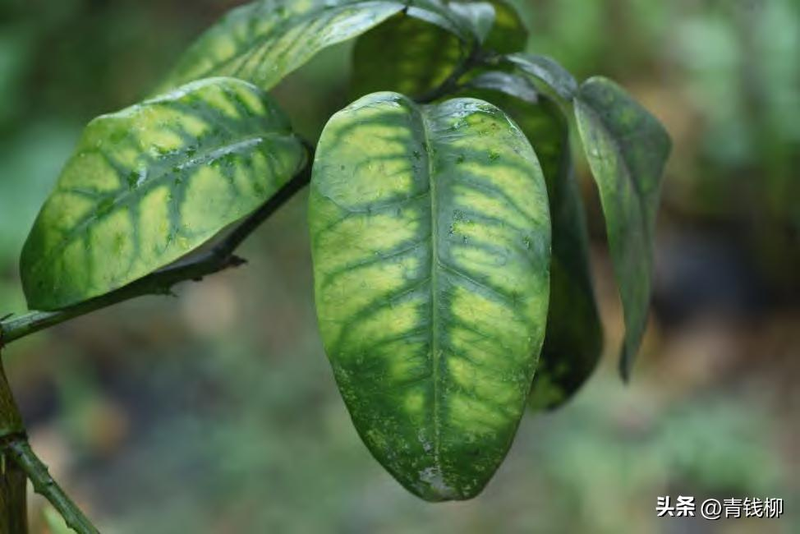
The principle of “go to isolation, go straight to the tilt and the chamber branches, go to the middle and grow the branches”, as well as the principle of “high, lower, outer, inner”, should be recuted. The inner chamber and centre should be easily cut, and care should be taken to preserve the weak branches within the canopy and below. The winter is cut after the fruit is harvested and before the spring rises. Summer cut in june-july is on time (figure 4)。
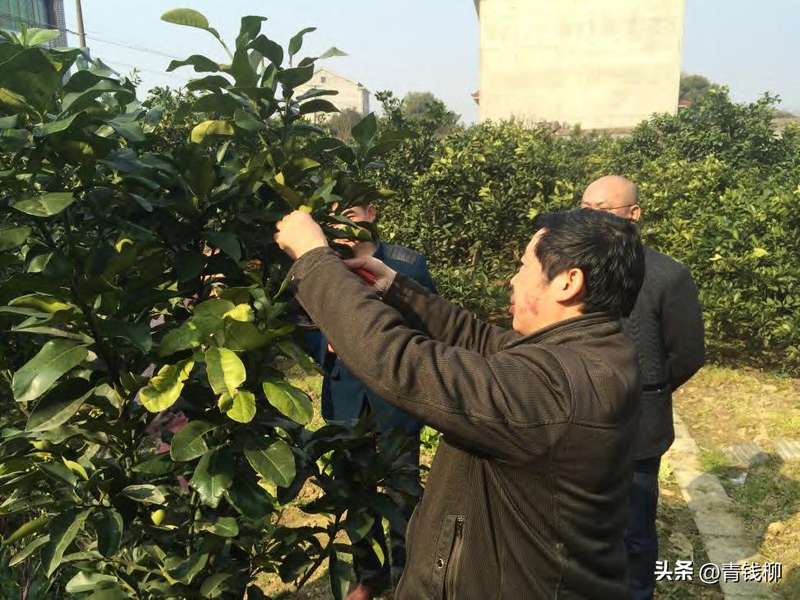
Figure 4
11 flower fruit management
11. 1 promotion of flowers
• promotion of flowering through the development of healthy tree bodies, the conservation of healthy fruit branches, proper root break, proper management of water, ligation or hysteria, followed by the application of 0. 2% ~ 0. 3% potassium dihydrophosphate, 0. 5% urea and 0. 4% compound microfertilizers 1-2 times. Plant growth regulators, such as typhus or sodium nitronol, in the young and young age, 1 to 2 promotions。
11. 2 plumbing fruit
Precautions may be grown by accumulators, artificial deflowering or bees-aided pollination, cycling or bees-creating, timely fruit-cutting, fruit packs, etc., and mixed microfertilizers containing trace elements such as molybdenum, boron, etc. Can also be sprayed during the bud one to two times, with a single ephemeral and spring greening period of one perch. Plant growth regulators, such as phenol or sodium nitronol, sprayed 0. 2% of potassium phosphate with 0. 3% urea over time and once every 7 days。
12 collection
No water before harvest for 20 days. They are harvested when they are green or yellow, when they are full and mature. The treasured fruit was collected 7-10 days earlier than the fresh fruit. Pre-deposit leachate with non-toxic herbicide. The natural wind drys for more than 20 days and is then packaged when the bark is softer and flexible。