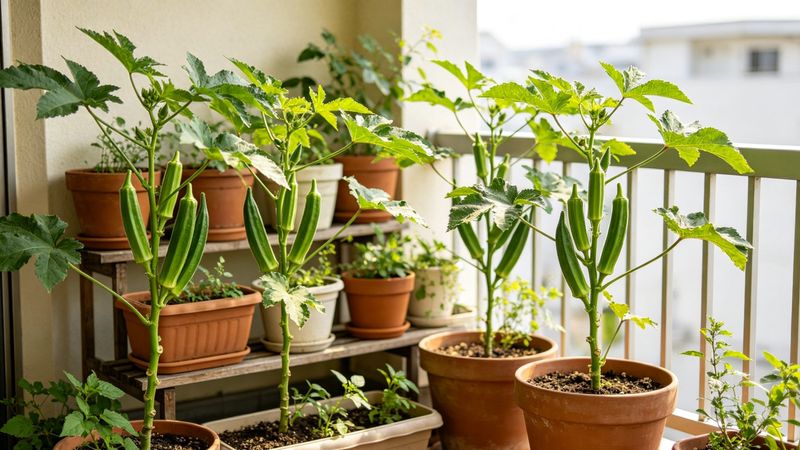
The fragrance tree is a very marketable tree, and its growing technology is becoming increasingly visible, with the planting of a fragrance tree, which requires a great deal of knowledge, such as the habit of fragrance trees, the manner in which they are grown, and the conservation of fragrance trees, which are essential in the process of planting the fragrance trees。
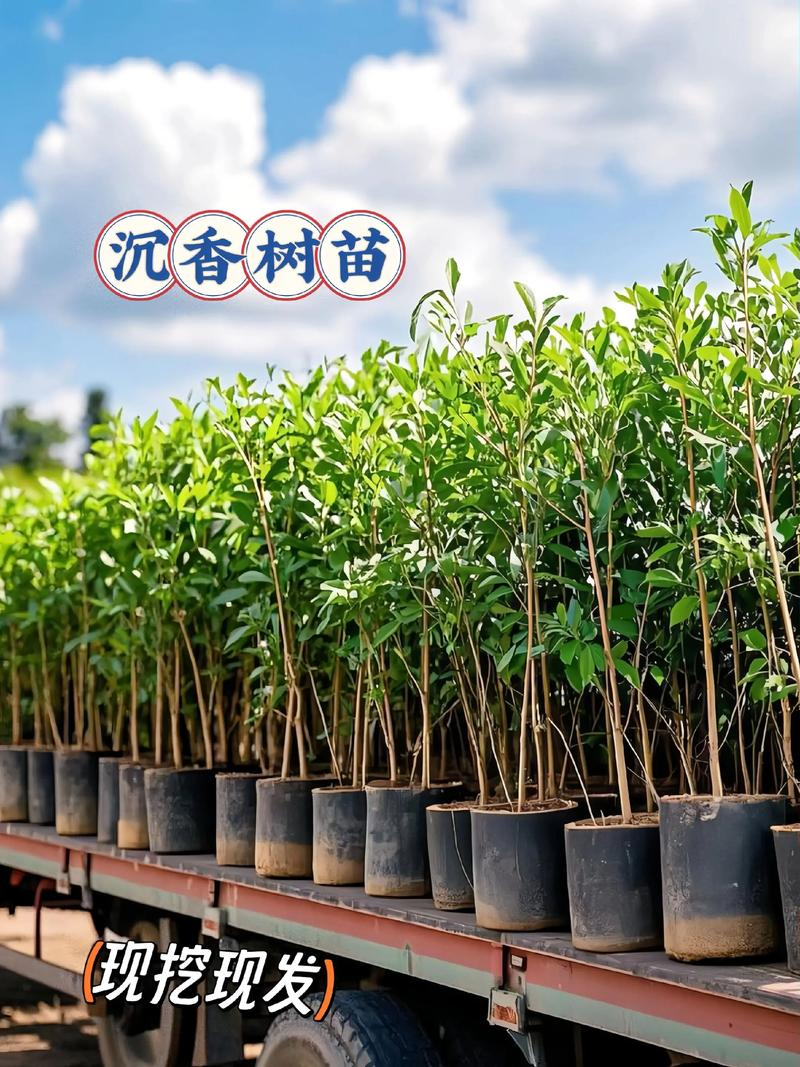
The first is the habit of fragrance trees, which are subtropical tree species, often born in mountain rainforests or semi-green season rainforests, are weak, positive, young and protected, fragrance trees with thick, fertilized and wet and loose bricks or hilly yellows, preferring warm and rainy environments with a suitable temperature of 25-28 degrees。
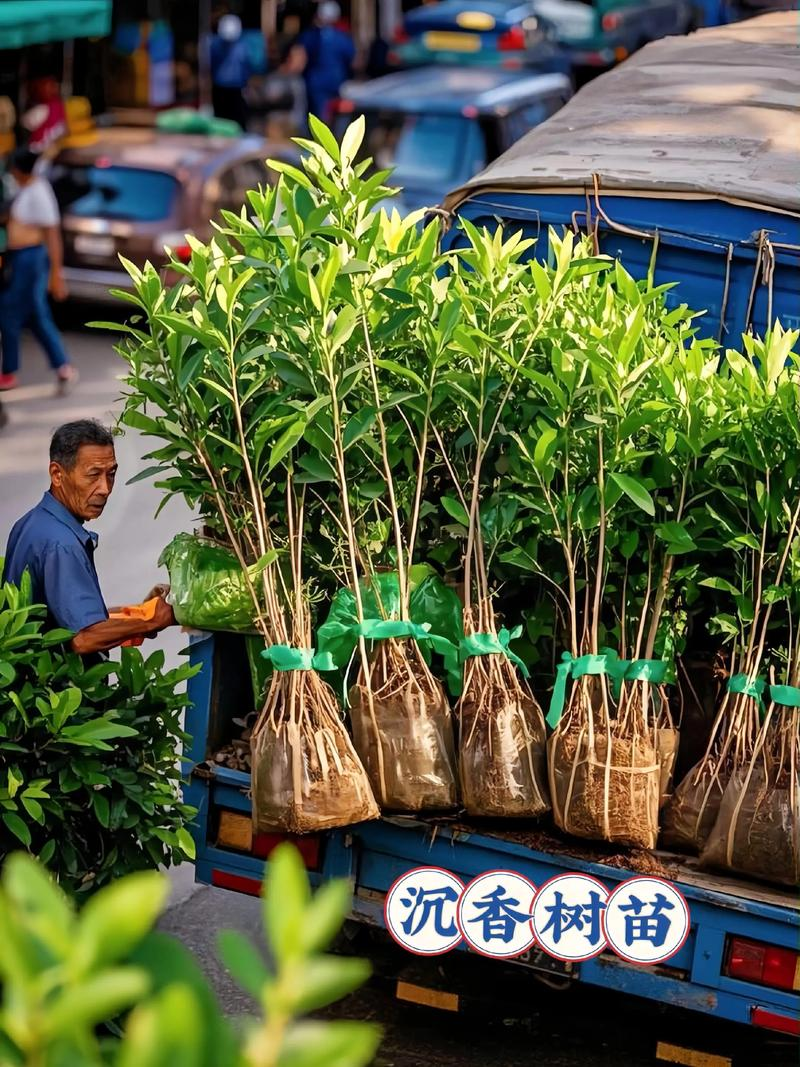
Cultivation of scavenger trees is generally selected to return to temperature during the period march-april in the spring, when the spring is not yet moving, or when the spring is just starting, and when it is chosen to grow on a rainy day, with a rate of up to 95 per cent, if the planting season is relatively easy or nutrients, if the planting season is relatively easy, the planting effect is relatively good, the dens are dug at a distance prior to planting, the specifications of the cave are 50 by 50 centimetres, 40 centimetres deep, and when the ground is dug, then the surface is filled with surface soil, which, depending on the conditions on the ground, is 2m x 3m per acre, approximately 100 per acre, the side and leaves of the tree are cut in front of the seed, several leaves are preserved and half of each leaf is cut, the seed is grown straightly, the roots are spread, and the ground is covered, and the soil is stub. The survival rate is above 95 per cent。
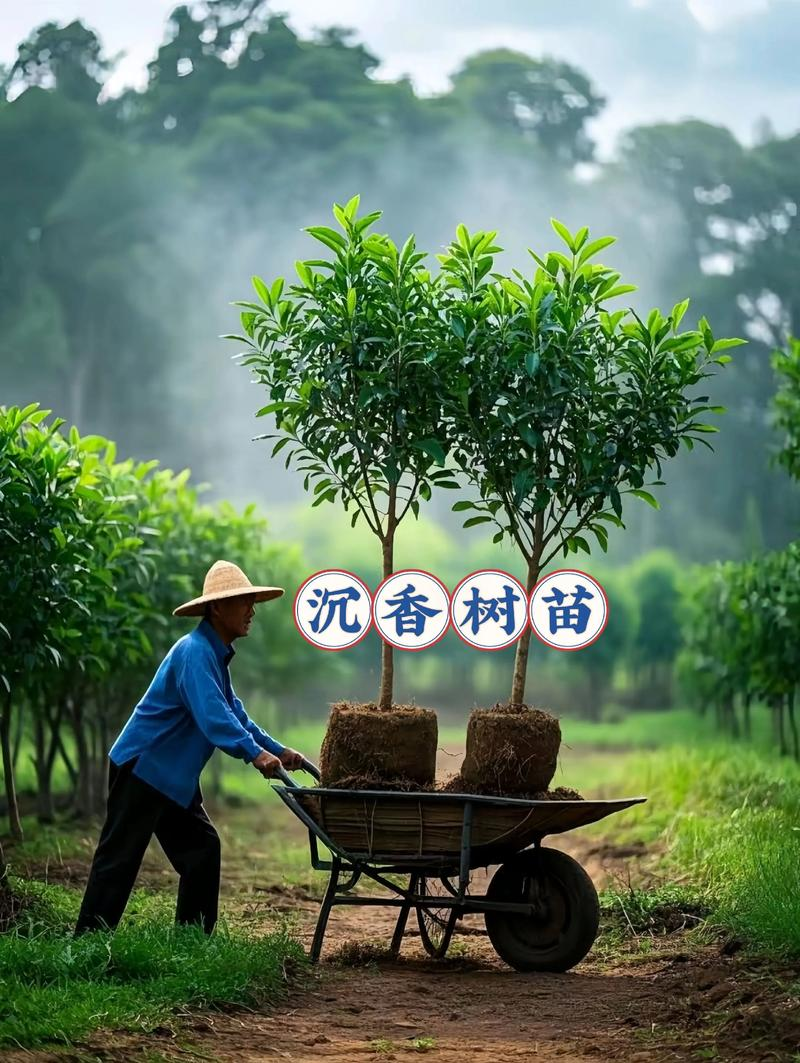
This was followed by the maintenance of the surviving seedlings, which were planted twice during the end of the rainy season. Over the next three years, care management for weeding, weeding, pine earth, den expansion, etc. Should be strengthened, with two times per year, one each before and one after the rainy season, and fertilization: during the rainy season, two times per year, 100 to 150 g per combination of pine soil, weeding and den expansion, in order to promote the growth of trees and trees, so that they can be closed into forests at an early date, reduce the number of weeds produced, and care is taken to trim the branches once a year and to cultivate good dry shapes in order to facilitate the fragrance. But be careful, the first year of the larvae, don't cut it too early. It is beneficial to have all the branches, with appropriate swires, which gradually grow upwards over time, before the larvae grow, thus contributing to increased light co-operation of the larvae and to the growth and development of the larvae。