Approximate tree planting techniques and management
The fragrance tree, also known as the fragrance wood, is a precious tree species whose resins form a spice called the “silent fragrance” following the effects of special strains. The cultivation and management of sunken fragrances is particularly important because of their unique aroma and medicinal value. This paper will provide detailed information on the techniques used to plant sunken fragrances, day-to-day management and pest control, with the aim of providing professional and practical guidance to the fragrance growers。
Plantation techniques
Tree selection
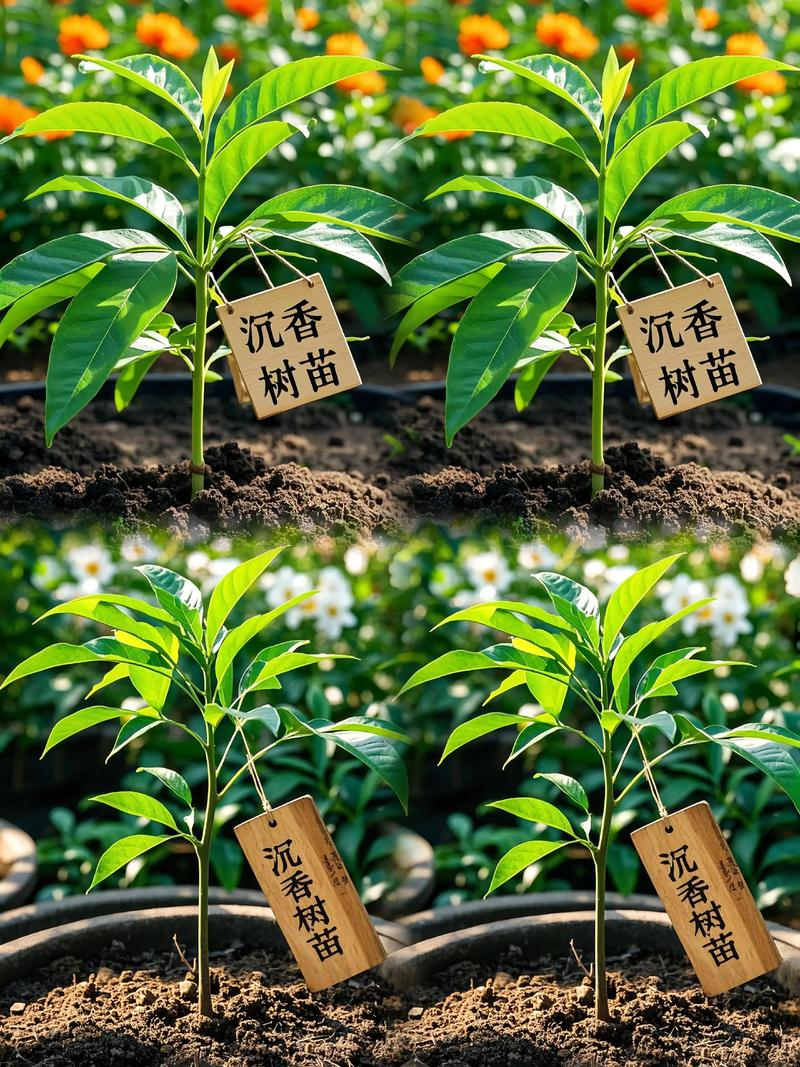
The choice of healthy seedlings is key to successful planting. The tree shall be selected as a grown, pest-free tree with a diameter greater than 1 cm and an altitude greater than 50 cm。
Plantation time
The best time for fragrance tree cultivation is in the spring and autumn, when the climate is mild and tree seedlings have a high rate of survival。
Plantation density
Cultivation density should be determined by soil fertility, tree seedling size and intended use. In general, primary density can be contained in 100-150 units per acre and can be cut between trees after they reach a certain stage of growth。
Methods of cultivation
Under the cave planting method, the size of the den should be determined by the size of the seedling system, with a general depth of 30-50 cm and a diameter of 40-60 cm. The seedlings shall be placed in the den to ensure that the roots are stretched, then they shall be filled with soil, and the water shall be poured out。
Daily management
Water management
The fragrance trees are wet, but they accumulate water. Therefore, adequate water supply should be ensured during the dry season, with grass or membrane covered around the tree plate to maintain soil moisture. At the same time, attention should be paid to drainage and to avoiding root water accumulation。
Nutrient management
The demand for nutrients is high in the fragrance tree and should be reasonably applied in accordance with the age and growth of the tree. It is usually dominated by organic fertilizers, with appropriate quantities of nitrogen, phosphorus and potassium. The timing of fertilization should be chosen in spring and autumn to avoid fertilization during periods of high temperatures or drought。
Decoration
Rhythming, when appropriate, can adjust the tree shape, promote the growth of the side branches and increase the formation of the sun. The trim should take place during the hibernation period, cutting out the diseased branches, the dead branches and the twigs, and keeping the tree crown radiant。
Pest control
Disease control
The most common diseases in the fragrance tree are anthrax, powder, etc. Prevention and treatment measures include the timely removal of branches of the disease and the reduction of the source of the disease; the rational application of fertilization and the reinforcement of tree positions; and the use of appropriate microbicides for prevention and treatment。
Pest control
The pests of the fragrance trees are mainly shellworms, sky bulls, etc. Control methods include manual capture, biological and chemical control. In the case of pesticides, products that are highly efficient and less toxic should be selected, with attention to safety intervals。
Concluding remarks
Cultivation and management of fragrance trees is a system project that requires professional knowledge and fine operation on the part of the growers. Through scientifically sound planting techniques, day-to-day management and pest control, the productivity and productivity of the aroma trees can be improved, resulting in better economic and social benefits. It is hoped that this paper will provide useful references for the planters. # vanilla planting techniques and management
The fragrance tree, also known as the fragrance tree, is a precious tree species whose resin is widely used in the fields of spices, medicine and cosmetics. Cultivation and management are particularly important because of the long growth cycles and high environmental requirements. This paper will provide detailed information on the environment in which the aroma trees are grown, seeding techniques, plant management and pest control, and aims to provide a scientifically effective planting and management programme for the planters。
Alternative planting environment
A warm and humid climate is suitable for planting in deep, well-watered, organic acid soils. Plantation should choose where the wind is safe and the sun is full so that strong winds and insufficient sunlight do not affect the growth of tree seedlings. At the same time, care should be taken to avoid choosing low-lying areas in order to avoid the decay of the roots of trees。
Feeding techniques
Seed processing
Seeds of saffron trees are dormant and need to be treated before seeding. The usual method is to sow seeds in water for 24 hours and then in an environment of 25-30°c, sowing them when they become white。
Feeding containers
It is possible to choose either a nutrition or a nursery bag as a nursery container, which should have good drainage at the bottom. The soil should be lax, gas-rich and organically rich。
Seeding and management
The treated seeds are spread evenly in nursery containers, with 1-2 seeds per den. The seeding will cover a thin layer of soil and maintain the soil wet. Care should be taken to maintain appropriate temperature and humidity during nursery time to avoid direct sunlight。
Plantation management
Port
It can be transplanted when tree seedlings produce 3-4 real leaves. Care should be taken to protect the root system and avoid damage. Following the transplantation, water should be poured and the soil kept wet but water should be avoided。
Water management
The fragrance trees are wet and wet, but they accumulate water. Therefore, water should be watered and soil moist in due course during the dry season, and attention should be paid to drainage during the rainy season to avoid the accumulation of water leading to root decay。
Nutrient management
Smelting trees grow slowly and in low demand for nutrients, but appropriate fertilization helps them grow. Organic or compound fertilizers should be applied in due course, depending on the growth of tree seedlings. In applying fertilization, care should be taken to avoid the exposure of fertilizers to root systems and to avoid the burning of roots。
Decoration
Cutting in due course promotes the growth of side branches and the formation of good tree shapes. Cutting should take place during the growing season, cutting out the disease branches, the weak branches and the secret branches in order to improve the ventilated conditions of the tree crown。
Pest control
The common diseases of the aroma trees are pollinosis, anthrax, etc. The pests are mainly shellworms, aphids, etc. The prevention and control of pests and diseases should be based on the principle of “preventives, integrated management” using a combination of biological, physical and chemical control。
Biological control
Controlling the occurrence of pests using natural insects or beneficial microbes, such as the introduction of parasitic bee control shellworms。
Physical control
Prevention is done by cutting off pests and branches, and by insect-killing lamps。
Chemical control
In case of severe pests, appropriate pesticides may be used under the guidance of professional technicians, but the principle of safe use of pesticides should be followed to avoid environmental and human health impacts。
Concluding remarks
Cultivation and management of fragrance trees require patience and careful work. Through the selection of suitable planting environments, the application of science-based nursery techniques, the strengthening of plant management and the effective prevention of pests and pests, the productivity and yield of sunken fragrances can be improved, with better economic benefits for their growers. # vanilla planting techniques and management
A brief description of the fragrance tree
The fragrance tree, also known as the fragrance wood, is a tropical green wood that is known for its fragrance and medicinal value. Cultivation is environmentally demanding, mainly in south-east asia. The fragrance tree has a long growing cycle and usually takes decades to mature。
Alternative planting environment
Soil conditions
The fragrance tree likes fertile, well drained soil. Soil testing should be conducted before planting to ensure that ph values range from 6. 0 to 7. 5. If necessary, the soil structure can be improved by adding foliage or organic fertilizers。
Climate conditions
A warm and wet climate with an average annual temperature of more than 20°c and an annual rainfall of not less than 1,000 mm. At the same time, the fragrance tree has some requirements for sunlight, but it's too strong