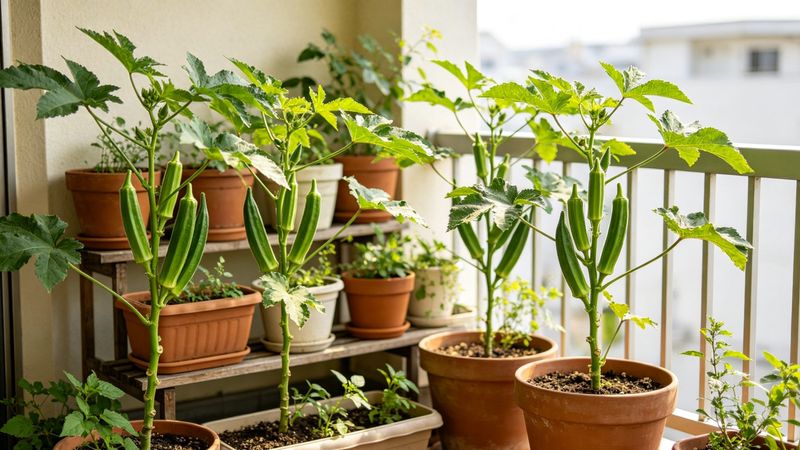
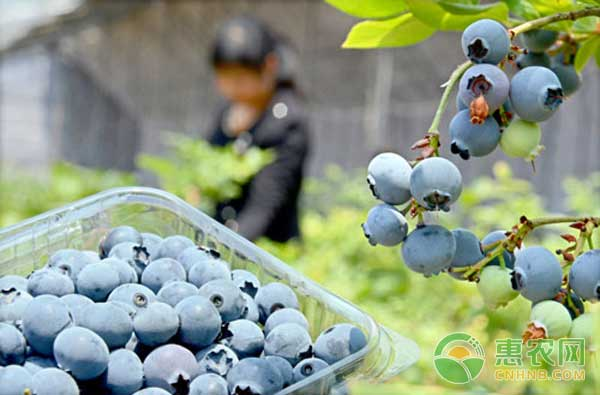
Blueberries are rich in nectar, fruit glue, hyperoxidised enzymes, etc., and are one of the fruits with very high health functions. Blueberries, which are largely distributed globally, are environmentally adaptable and have fewer pests and diseases, making cultivation management easier. Blueberries are grown using facilities such as sheds and solar greenhouses, which increase the economic efficiency of blueberries by increasing their commercial rates and staggering their peaks. This paper combines the production experience with the technique of blueberry production based on the characteristics of blueberry growth and flowering。
I. Construction of facilities and improvement of lands
1. Construction of facilities
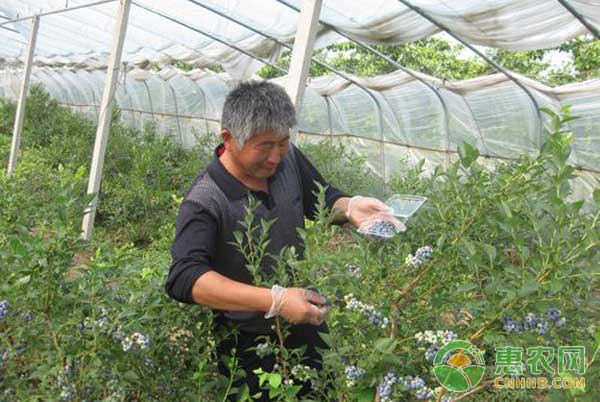
Different facility structures, adapted to local conditions, can be used to plant blueberries using facilities such as general sheds, greenhouses, and energy-saving solar-light greenhouses. Ordinary sheds and greenhouses use a north-south route and energy-saving solar greenhouses use a east-west route。
2. Land improvement
Since the alkaline values for blueberries are typically 4. 2 to 5. 5, soil improvement is required before planting. This is done by applying sulphur powder in soil, which is calculated on the basis of alkaline soil values, and generally 500 kg/ha. The application of sulphur powder is accompanied by an increase of 60 tons/ha of organic fertilizer, which is mixed with substances such as sawdust, pine needles and fermentation before application, both to increase organic content to accelerate the decomposition of sulphur powder and to reduce soil acidity through the decomposition of these organic substances。
3. Choice of varieties
In order to ensure the quality and production of blueberries, the facility should plant blueberries, mainly in the north, with two to three varieties in each greenhouse or shed for mutual pollination. The varieties suitable for the facilities are northern land, northern blue, brigita, blue foun, etc。
Ii. Standing
The fall hibernation is set for two years, with depths of 15-20 cm. A north-south roller-up plant with a bottom 50 cm wide, a cap 30 cm wide and a height 30 cm high. A distance of 0. 5 m and staggering of adjacent plants, with a row distance of 2. 0 m for large lines and 1. 0 m for small lines. The first two years of blueberry planting have been governed by routine management, and the non-repeated film has contributed to the growth of the plant。
Iii. Post-plant management
1. Temperature control
The normal flowering of blueberries typically takes 800 to 1200 hours less than 7. 2°c, covers the sheds after 10°c on average on the same autumn, opens all vents after sundown, forces the temperature in the shed to be reduced to 0°c as soon as possible with a wind machine and maintains the temperature in the shed below 0°c. The 50-day shed began to warm and covered with black membranes. Blueberry buds remain at 25 - 28°c during the day and at no less than 5°c; 25 - 28°c during the day and at no less than 8°c during the flowering period; 23 - 25°c during the flowering period, at no less than 8°c during the day and at no less than 40% - 60% humidity; 23 - 25°c during the fruit expansion period and 11 - 13°c during the night。
Photomanagement
After more than 12 hours of long sunlight, which is conducive to blueberries ' nutritional growth, the lumbering needs to take place in conditions less than eight hours of short-day sunlight, so the sunscreen of the sheds began at 16:00 in late july, using double-layered sunnets to reduce the intensity of light in the sheds, and after 8:00 on day 2, the sunshield was opened to light inside the sheds. The intensity of light is an important condition for the large-scale fragmentation of buds and for improving the quality of fruit products. In order to increase the intensity of light, during the growing season, it is necessary to provide timely luminous branches and adequate light for tree bodies in order to improve the quality of fruit and to promote the separation of buds。
3. Manure water management
Cultivation with weeds, crop straws and needles during the growing season can reduce weed growth while increasing soil organic content and reducing soil acidity values. It is applied to 60 tons/ha per year in mid-september, to one side of the tree canopy, and to replace the direction of the application once a year. A single application of 0. 3% boron in the flowering period, a combined application of 150 kg/ha in the fruit boom period and a single application of 0. 5% potassium phosphate in the fruit colour period. Blueberries require less water, so the soil content should remain at 60 to 70 per cent throughout the growing season. Under-film drip irrigation is used to facilitate control of soil and indoor moisture. One garden-wide flooding before artificial cooling in the autumn。
4. Integrative trim
The blueberry larvae are not trimmed to the extent possible, except for tree formation needs, to facilitate growth and canopy expansion, and the main branches are as vertical as possible and staggered with adjacent lines in order to make full use of space. Adult trees tend to migrate from control to control the outcome, and the problem of ventilation is addressed by the removal of weak and ill branches. The harvest is followed by a timely summer trim, and the lumbers are divided by the increased ventilation of the branches。
Iv. Insect and bird disease prevention
The main pests planted by the facilities are aphids, gold turtles, etc. The fruit harvest can be preceded by acupuncture pest control in the shed, or acupuncture nets in combination with bird protection. Gold turtles can be lured with sugar and vinegar in the shed. Insect pests after harvest can be routinely prevented。
The facilities are less affected by blueberries, so as to control the humidity in the sheds, there is virtually no disease, and they can be combined with cutting and timely removal of branches. Before heating, 5° bésulphides were fully sprayed. Blueberries are vulnerable to bird hazards during maturity. Because of the higher temperatures in the shed when blueberries matured, the removal of the shantyton has resulted in birds preferring to peck fruit, resulting in the loss of commercial value of the fruit and the apparent effect of covering the birdnet on the shantyton。
V. Responsibility
The blueberries should be picked in batches around the age of nine, with light and light lifting. Usually by 8:00 a. M. Blueberries are graded after extraction and placed in a box of moulds for cold chain transport. The fruit should preferably be refrigerated by air or, in the absence of such a condition, in a fresh bag at about 1°c。
The high production of blueberries in facilities has resulted in higher commodity rates for better quality and higher returns during peak periods when blueberries are staggered。