


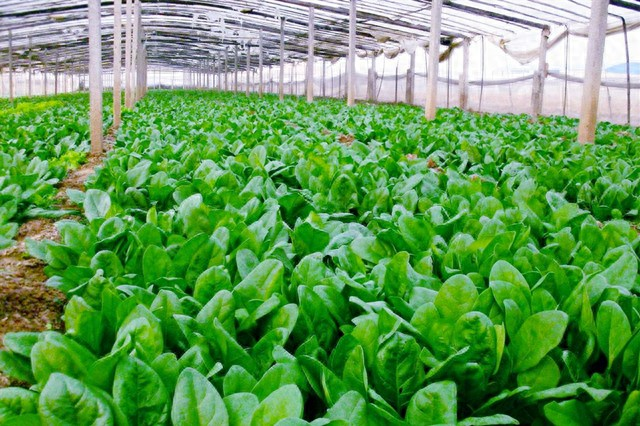
Although spinach growth cycles are short, yield high and prices are good, it is becoming increasingly difficult to grow it as it enters the summer. Because of high summer temperatures and heavy rainfall, pests and pests, and spinach insatiable to high temperatures, fine and efficient management measures, such as sun-shielding, rain avoidance, flood resistance, etc., are required, in addition to the selection of exclusive varieties. How can you grow beautiful spinach in the heat of the summer。
With regard to spinach cultivation, which is known to be cold-resistant vegetables, autumn, winter, spring and summer, you are afraid to try. In the inherent impression, spinach pickles begin to draw as the temperature rises in the spring. So what are the obstacles to spinach growing during the hot season
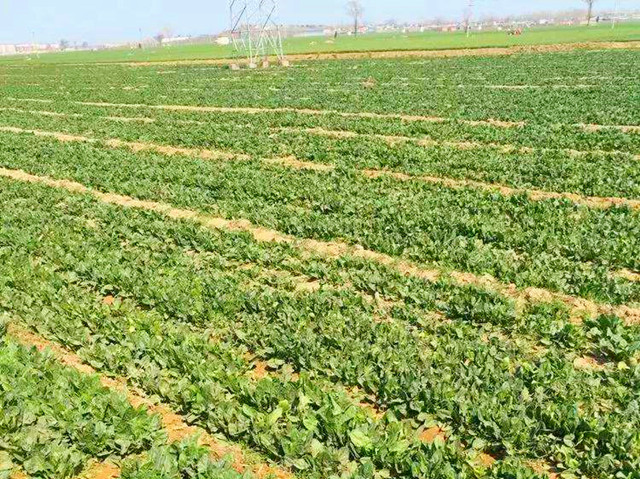
Agricultural knowledge science: the obstacles are, first and foremost, the problem of seedlings, which may be difficult to sow because of the heavy rains during the summer. In order to prevent the negative effects of low rates of seeding, the planting of spinach must be increased. It was accompanied by rain-proof measures. And whether it's because of heat, rain and disease. Long-term water stains can have a significant impact on spinach roots, either by causing root roots, or by causing a disease in their hot and wet environment, which can cause spinach to die。
After learning that spinach cultivation is hard to grow, the farmer takes you gradually to learn how to lift the barrier and plant good spinach in the anti-season season in order to meet market demand and achieve higher returns. For spinach growing during this season, it is recommended to rotate with corn, soybeans, wheat, eggplant vegetables, oilseeds, cabbage, carrots, etc. And not only spinach growing. The fields are chosen as well as the sandy sandy soil, which is thick, fertile and loose. As far as varieties are concerned, they must be based on more heat-resistant, flood-resistant, inverted varieties, such as the chinese institute of agriculture, kyopine 6, and imported, such as k4, k5, which has been in the netherlands for a long time。
Then we focus on learning to grow spinach next summer。
Prior period preparation
Fertilized land: fertilized, alkaline, decomposed soils, so that organic fertilisation is repeated in cultivation. It is recommended that high-quality, decomposed organic fats of 3-5 be applied to each acre, and that a combination of 30 kg of urea, 10 kg of urea, 1. 5 kg of zinc fat and 0. 7 kg of boron fat be applied at the same time for sufficient nutrients. It's 25-30 centimeters deep, flat, small, 1/2-1. 5 meters wide。
Seed treatment: the sterilisation of spinach is a step that many friends have directly omitted, and in order to prevent the disease, it is recommended that both summer and other seasons sowing be done. The method is simple, with 10% sodium phosphate solution impregnated for 10 minutes at constant temperatures, or 50% more than 500 times more filamentable powder impregnated for 2 hours, or 300 times more ff solution impregnated for 30 minutes, and then 15°c ~ 20°c cool water impregnated for about 12 hours, squeezing the glue and extracting the leaching and seeding。
There's a lot of talk about planting
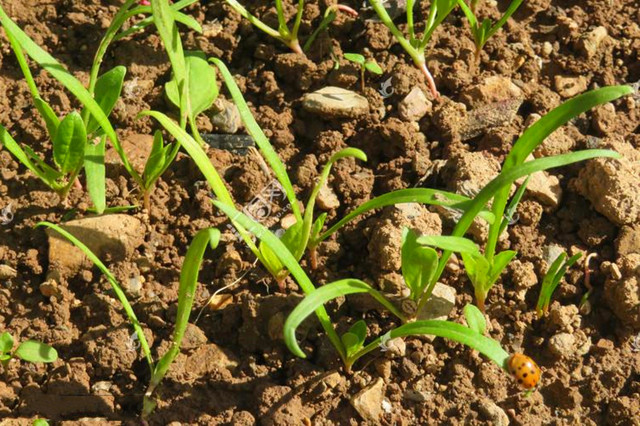
The winter spinach is normally planted in late may to mid-june, and can be harvested about 40 days after planting. At the same time, the amount of spinach is different depending on how it is planted. When it is soaked, water is poured out, and when it leaks, seed is sowed over two centimetres of earth. A maximum of 10 kg per acre is commonly used. In the case of a broadcast, a shallow ditch, which is about two centimetres deep, spreads the seeds evenly into the ditch, soaks two centimetres behind the earth, soaks it down, and runs 12-15 centimetres away. A maximum of 5 kg per acre。
It was recommended that seeding should be covered with crop straw or grass in order to act as a cooling and wetting mechanism and to ensure that the seedlings were well-balanced. When 70 per cent of the seeds are seeded, the cover is removed in the evening。
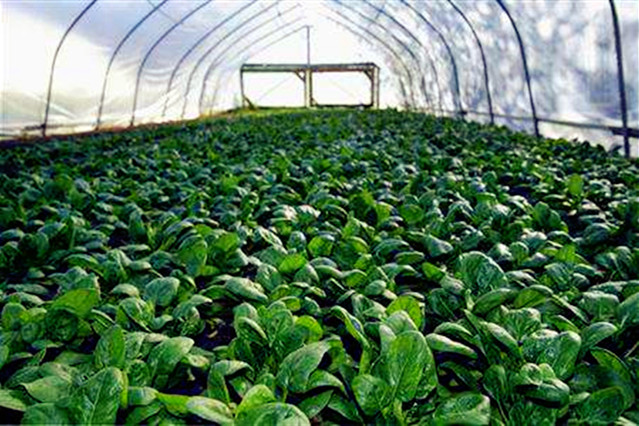
There's a chance to hide the sun from the rain
For the cultivation of the summer spinach, there is no misunderstanding that open-air cultivation requires facilities. For the size of the sheds, it is recommended that they be dominated by plastic huts with a width of not less than 8 metres, a ridge of not less than 2. 5 metres and a shoulder of not less than 1. 4 metres. We should select special coloured film for the sheeted membranes that should be covered, with a thickness of 0. 08 mm and a radiance of about 60% for the red or purple plastics. The sheds should be equipped with upper and lower vents to increase ventilation, reduce indoor temperatures during the summer, have upper vents not less than 1 m in width and lower vents more than 1. 2 m in width, and be equipped with insecticide-resistant nets to avoid pests。
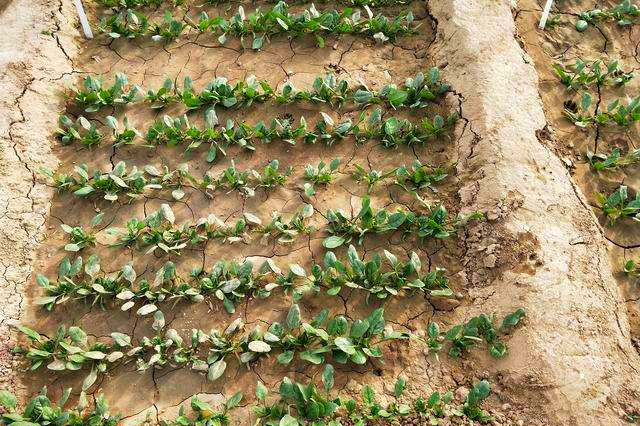
Water and fat
The summer spinach is fragile, especially in terms of moisture control. That is why we are asked to water the know-how in it, not to be blind and to cause damage。
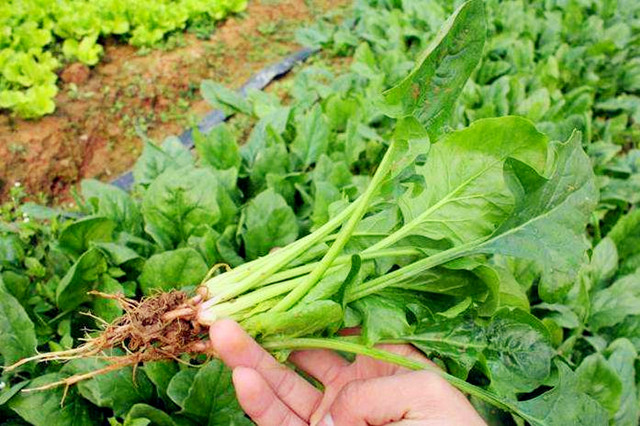
It was recommended that the winter spinach should be used as a light-drink basis and that small water should flow in between the long spinach and the two real leaves in order to avoid slurry on the top of the seedlings, causing oxygen-inhalation deaths. In general, water is poured once in five to seven days and the soil is kept humid to reduce the temperature. Water should be watered in the morning or evening. Spinachs are relatively short in the long run and, on the basis of a new application of base fertilizer before seeding, they use 7 to 10 kg of urea per acre to gain fat, and are stopped 20 days before harvest。
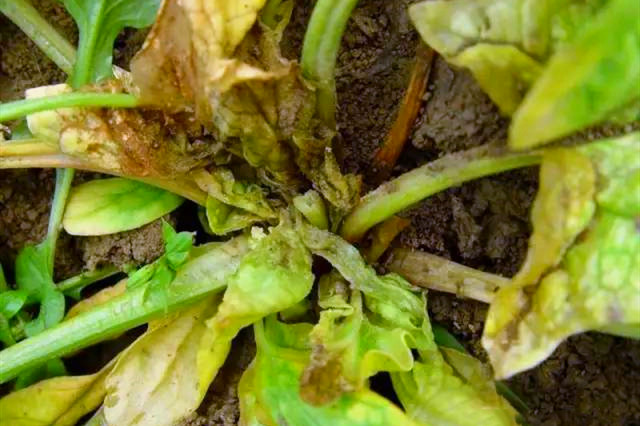
Pest control is the key
There is a consensus that spinach is not resistant to pests and diseases, so special attention needs to be paid to combating them. In addition to the choice of disease-free seeds and good disease-resistant varieties, agricultural methods such as rotational downfalls, attention to irrigation, drainage and timely tillage, we also have other means of combating them. For example, biological control, the release of natural enemies such as octopus and parasitic bees. Physical control, with the use of cedars to trap aphids and subleaf flies; a vermin lamp to trap insects; a ground tiger to trap with wild vegetables; artificial capture of beetling night moths and larvae, etc.; a silver-and-gray membranes on the field to avoid aphids; and a silver-and-grey web-proofing net with more than 40 feet in front of the shed and in the vent to prevent aphids and white ticks from entering the sheds and to combat them more effectively。
In addition to the above, chemical control methods can be applied for different pests, where the farmer recommends a cure for common summer spinach pests。
Paraquat: soil disinfection or avoidance of the use of old vegetable garden soil; prevention of over-wetting, excessive temperatures or low temperatures of seedbeds; suitable seedlings that do not length young seedlings; and a small 64 per cent flammation of frozen manganese before seeding。
Frostosis: spray control can be achieved with 25% ester suspension 1,500 times more liquid, or 68. 5% fluorooctamine-crossilphate suspension 1,000-1500 liquid, or 52. 5% thorex-cyanide dispersed particulates。
Viruses: in the early stages of the disease, spray control was carried out using 1. 5 per cent of the milk of the disease, or 5 per cent of the fungic agent, 200 to 300 times the water, or 4 per cent of the cythium nuclei, 500 to 700 times the water, or 3 per cent of the nuclei, 600 to 800 times the humid powder。
Aphids, white lice: 25% of aphids aqueous dispersant 2500-3000 times more liquid, or 10% of aphids aqueous powder 1000 times more liquid, or 25% of aqualone humid powder 1,500 times liquid, spray control, attention to the back of the leaf. It may also be used to fumigate 30 per cent of the amphibians or 20 per cent of the amphibian。
Beet night moths: spray control can be achieved with more than 2. 5 per cent cocinant suspension 1000-1500 times more fluid, or 20 per cent insectyl fluoride 1,000-1500 times。
The pesticide should be used strictly in accordance with instructions, and more in accordance with the safe interval between the spinach and the six to eight leafs and 25 cm high。



