


The human cucumber is an eggplant plant originating in south america, which can cook before maturity, can produce fruits after maturity, and has a high value because of its beautiful shape and long duration. The combination of a variety of cultivation functions, combined with a beautiful appearance and a beautiful connotation, meets the needs of producers and consumers for diversified farming purposes. In our country, from yunnan to gansu, we are growing in all parts of the north and south。
So, what's the principle of ginseng planting? What are the advantages of seedlings compared to seedlings? What are the key techniques for planting seedlings
In this paper, it is stated that sano will answer the above questions, and it is hoped that a more detailed understanding of this efficient method of breeding will be provided to those who wish to produce it。
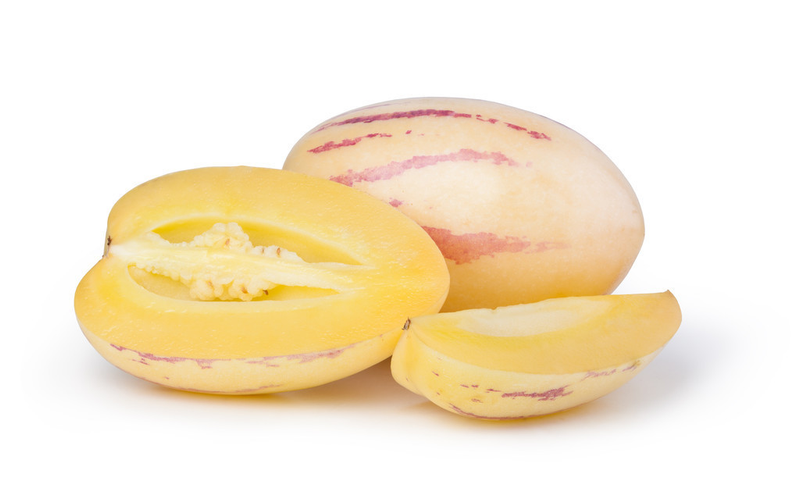
The fruit of the ginseng fruit is extremely rewarding
I. The principle of estuarine planting
1. Basis for application and rationale for planting
Plumbing is an important form of plant nutrient reproduction, using parts of the mother's organs to develop into a new whole-of-body breeding method, with appropriate temperature, moisture and other conditions. On the flowers of the trees, such as the yang, willow, the moon, and the green roses, cucumbers are widely used and cucumbers “breeding” are common applications for cucumbers。
The regenerative function of plant organs (some data refer to the whole cell type, an inaccurate description), i. E., the ability of parts of plants to recover or replicate their missing parts as compared to the mother after their removal from the parent. The key to the survival of seedlings is to have roots。
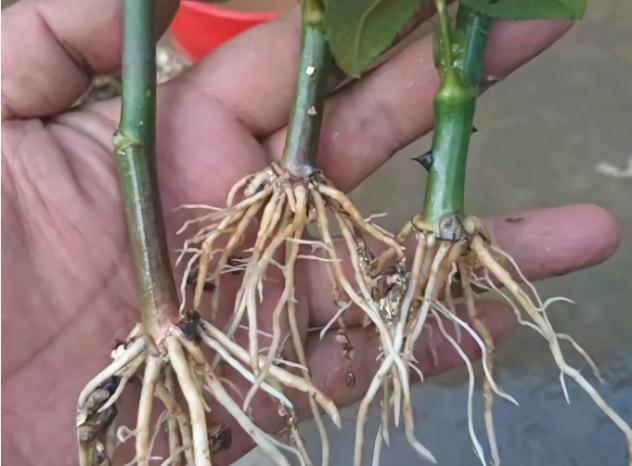
It's a root
The key to survival - rooting
The root causes of this disease are achieved in two main ways:
There are roots in the organs of most plants, but when the organs are present in the mother, the roots of these organs are generally in a latent state (but sometimes they also appear, for example, to produce gas roots when the tomato growing environment is very wet), and once the organ is separate from the mother, its own nutrients are transported to the lower end of the wound under suitable moisture and temperature conditions, thus invigorating the activity of the foundation and promoting the creation of new roots。
When organs are cut off from the mother, the wound is irritated to form the more severe tissue (similar to the gradual increase of a visible corporatization around the wound following the destruction of the outer skin of the tree), and the more severe tissue produces new roots through cell fragmentation (not separation, division is an increase in the number of cells, function is constant, and after separation the function of the cell changes)。
In the case of human cucumbers, the roots are mainly carried out by the activation of the underlying roots。
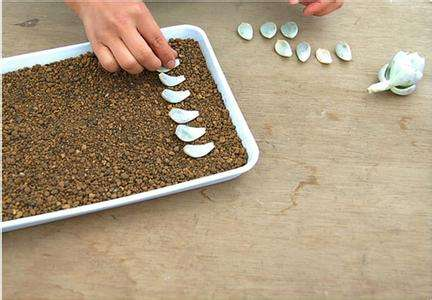
The meaty plant breeds with plums
Ii. Competitiveness of presentation
Inadequate seed breeding
Seeds are small, weighs only about 1 gram per 1,000 grains, and the seed itself has a low gestation rate, which tends to result in uneven seeding or inconsistent resolution of soil thickness, which leads to uneven seeding and uneven growth in the nursery, and to difficulties in management. On the other hand, the small seeds of human cucumbers, the low nutritional stock and the low capacity of arches make the soil quality of nursery grounds more demanding. Seeds of cucumbers are thin, and in sandy soils, water is easily leaked to make the surface water scarce, resulting in the seed not having enough water to sow, and in visceral soil conditions, it is difficult to lay thinner roots or arches. This will all result in a decrease in seed growth。
During the 70-90-day period for which seeds from human scavengers are grown, not only to ensure proper light conditions for their growth, but also to supply water and fertilizers, but also to manage grass removal, pest control, etc., the labour costs of which are already the largest cost of agricultural production today are more expensive and do not have a comparative advantage。
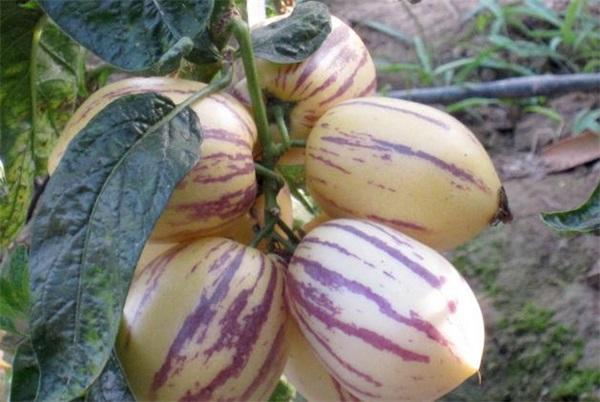
The fruit of ginseng is big, but the seed is small
Ii. Advantages of human cucumbers
In the management process (mainly about 10 days before the birth of the root), the rate of human cucumberation is generally over 90 per cent provided that the ambient temperature, humidity and appropriate shade are controlled. Also, the soil quality and treatment requirements for nursery areas are not as stringent as those for seed breeding, with higher fibrosis and greater resistance to disease and pests。
The age of seedlings in human scavengers is about 30 days, and only one third of the time of nursery management is spent on seedlings, which significantly reduces the workload of seedling management and reduces the cost of labour. Also, seedlings are integrated to preserve the excellent properties of the mother plant, avoiding the adverse effects of seed mixing and variability on the integrity of seedlings。
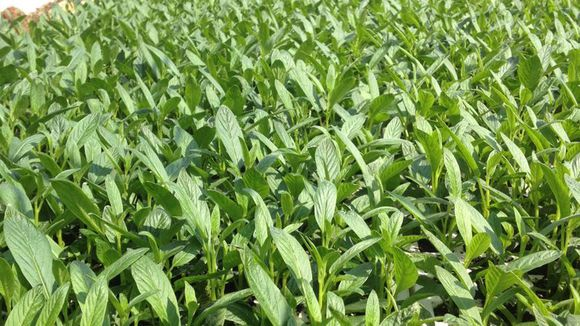
He's got a baby
Iii. Key technology for planting cucumbers
Plant management
The choice of varieties is a key first step in ensuring the quality of seedlings, and it is particularly important to ensure their strength. In the process of planting, the seedlings that are prepared to be kept as piping plants are better managed in separate areas, for example by reducing the incidence of pests such as aphids, pyrochlors and viral diseases, such as the installation of an anti-worm net around them, and by improving ventilation and water fertilizer supply to keep the plant healthy and to increase the resistance of the plant to ensure that it is disease-free and insect-free。
The plant breeders can use the whole branch of the four branches in order to increase the side sprouting, to reduce the adjoining amount appropriately, and to preserve two to three fruits per ear fruit, i. E., to improve nutritional growth, promote side sprouting and increase the breeding coefficient of the strain。
When seedlings of cucumbers are planted, they may be increased, as appropriate, at the same distance, for wide-paned double-walking plants with a distance of 50 to 60 cm and 100 to 110 cm, so as to increase ventilation, reduce environmental humidity and reduce the occurrence of diseases, while creating better growth space and light conditions for side branches。
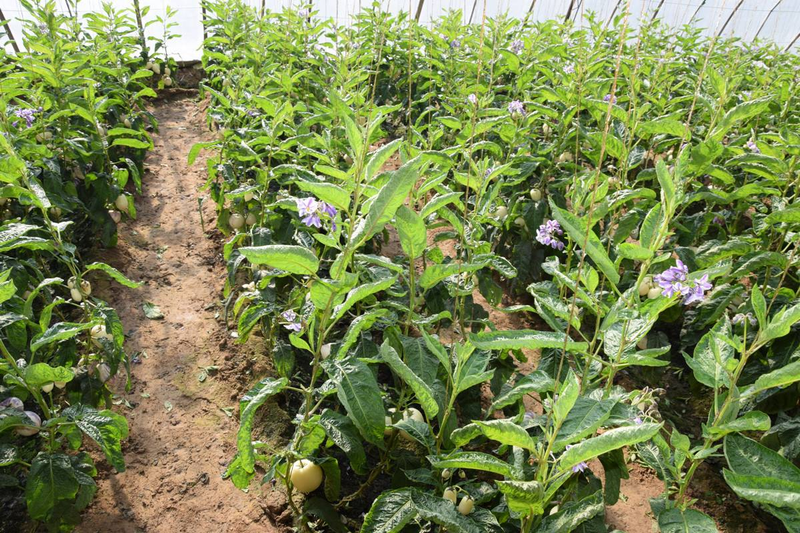
Increasing distance and promoting ventilation is a prerequisite for nurturing a strong breed
After the first bouquet sits in, the pursuit of a balanced compound of 15 kg of potassium nitrogen phosphorus is initiated, and since the ginseng is a cacin crop, it is recommended that calcium flour be sprayed once a week, with an undesirable yield of side branches, with an additional 5 kg of urea each time it is pursued to promote nutritional growth and boost the side branches. In the later stages of growth, potassium phosphate and micronutrients are sprayed once a week in order to promote a good sprout on the side and a thick tubing。
2 the nursery is ready
The site is to avoid the fields where the front crops are planted with tomatoes, peppers, eggplants and potatoes in order to reduce the adverse effects of the heavy loads; the soil is to be made better on the soil with better aerobic conditions and the adhesive soil is not suitable for planting seedlings; the plots are to be ventilated to the sun and to the ground for drainage; and attention is to be paid to the surrounding fields, with no infested pests such as festery, folate, red spiders, horseback and aphids。
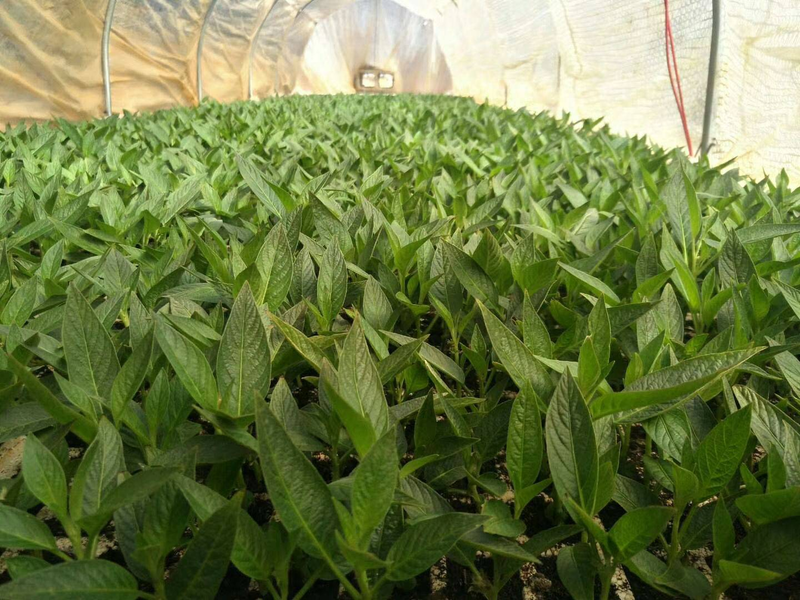
A nursery for the gingo
Full corticulture fattening per acre (high commercial organic fattening, poor decomposition, high ammonia emissions, inappropriate use) 2000kg, urea and potassium sulphate, 20kg each, soil tillage at depths of no less than 20 cm, ensuring that the soil is evenly broken and free of large earth and bricks. The width of the acetone, which is easy to operate, is generally in the range of 1. 2 - 1. 6 m, and the acetal height is approximately 20 cm, and the rise is to ensure that it is flat and the corridor is approximately 30 cm wide。
It is also possible to use 4x10 seedlings for embroiling, with nutrients distributed at a ratio of 4:6 per cent of cormorants and earth, and watering them when they are filled to a level。
Pyrotechnics are better in spring and autumn at a more suitable temperature, and in other seasons they are carried out by heating or shade, etc., to ensure that the temperature of the nursery is between 15 and 28 degrees celsius, with good water supply conditions and timely recharge of water. The basic requirements for the water content of the matrix are: no water in the nursery, and no acreage leaves。
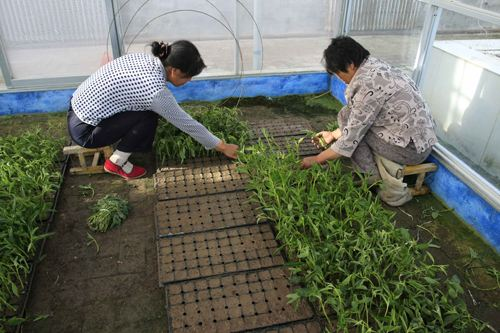
The cauldron of mangina
3. Plug-in operations
The pre-plug is filled with water, which is smooth and permeable, and seep depths above 15 cm. The length of the twigs cut on the plant ranges from 12 to 15 cm, with no disease, no disability, with a maximum of 1-2 leaf blades left in the upper part, followed by the insertion of seedlings (sometimes, in order to promote root roots, the lower end is impregnated with a powder solution, but the human cucumber is capable of producing its own roots, and it is not impregnated with a powder solution). The depth of the soil is 3 to 5 cm, and the whole twig ends, and the water is then smoothed over, and the sun is covered。
4. Post-plugged management
Temperatures are appropriate in the range of 15-25°c, temperature is appropriate in the order of 18-22°c, sunnet shades are introduced within about 10 days of twilight penetration, and lighttime in the light of morning and evening is gradually extended on the third day, the root system grows in 10 days and the absorptive capacity increases, and the sunnets are gradually removed (the long cover of the sunnets is not conducive to rooting)。
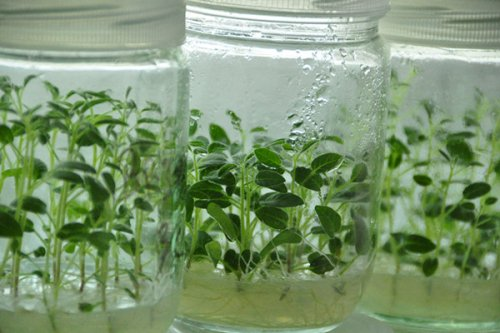
A scavenging team
Within a period of six months after the piping, the relative moisture of the soil is maintained at 80 - 90 per cent, and after a half month, the amount of water is reduced as appropriate to increase soil aerobicity, promote the rapid growth of the root system and supplement nitrogen fattening with urea at concentrations of 0. 5 - 1 per cent in order to promote the growth of leaves on the plume, with care to combat the hazards of pests such as aphids and tremors, which can be built on the nursery grounds. Around 30 days after the drop, the seedlings can be planted。
Concluding remarks
Pest and pest control are important safeguards, and human cucumber planting can guarantee production needs and is a more widely used method of breeding, but the weakness of nutrient reproduction is that there are too many algebraics and there can be a decline in plant productivity. When there is a marked deterioration in the quality of human cucumber plants ' resistance to disease and pest resistance, longness and outcome, it is necessary to upgrade the mother's strain, preferably by expanding it with a combination of detoxicated seedlings, which can maximize the genetic quality of the plant's resources and show a clear advantage in the fight against disease, vitality, productivity and quality。



