


"create camp 2"
It'll be over in 20 days, 2025, 2026, and we've been talking to the cabbies lately, and a lot of people are confused about next spring. Some say, "how can we plant this food when we've been waiting for 15 months?" the problem is -- you're still counting on the farm calendar。
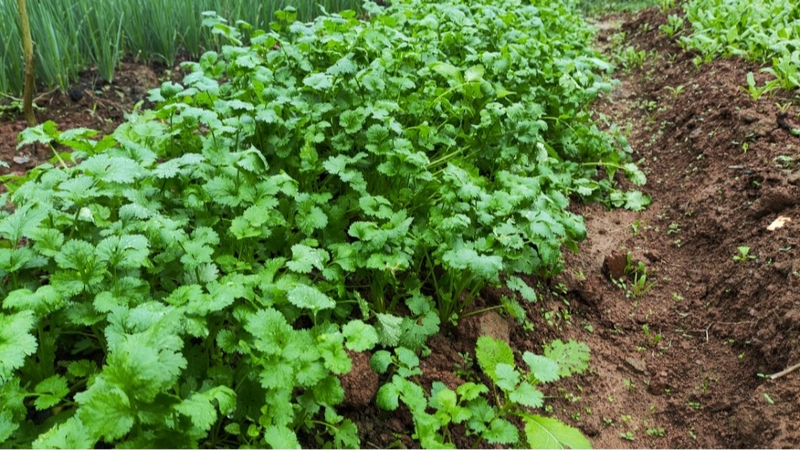
The calendars are more than 30 days away from the corresponding sunday dates each year because of moons and air-saving fluctuations. For example, in 2026, the shock was on march 5th of the sun, and on march 3rd, it would be too late for you to follow the old custom of "booking after midnight". It's right to grow the cuisine, but it has to be clear that it follows the sun. We'll go straight to the store and tell them how we got time to grow our food in 2026。
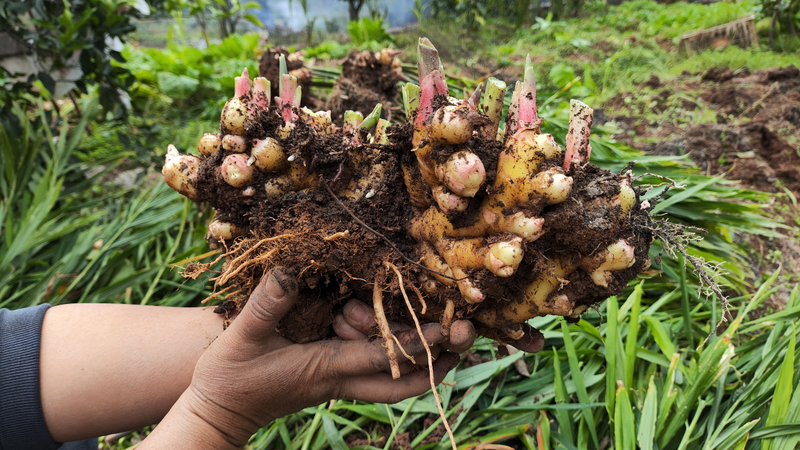
First, don't wait for the farm calendar and move forward according to the sun
Vegetables, such as lettuce, spinach, peas and small greens, which are cold and hot, have short spring window periods, and they grow late and hot and open their flowers。
North china (beijing, hebei, shanxi, etc.): the planting was the most stable between the end of february and mid-march. Don't wait for clarity. It'll get warmer in march。
The yangtze river basin (hupei, anhui, zhejiang, etc.): it could start in mid-february. If you touch the cold, cover it with a film or a small arch。
South china (gangdong, guangxi, fujian): in january, it will be ready to be broadcast, with early harvests and springing for the summer。
There is also a simple way to write down the day your family planted last year, and in 2026 it was more accurate than the chanon calendar。
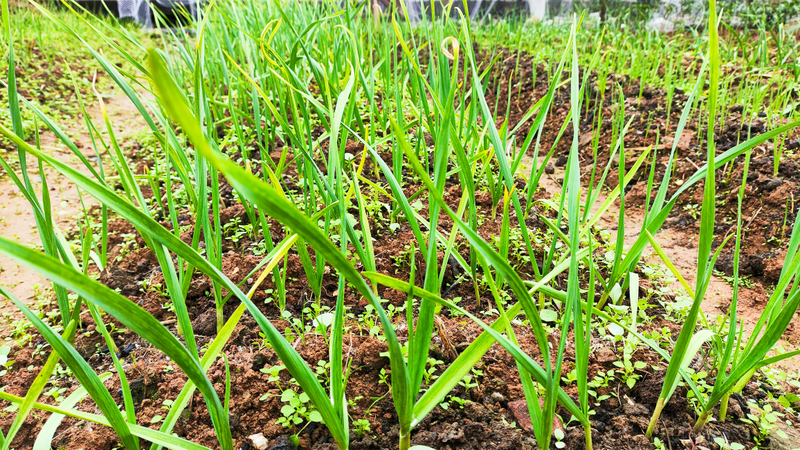
Two, tomatoes, cucumbers, and so on. The temperature is more important than the date
Such vegetables are cold, and direct weather forecasting is more useful than going through a calendar。
Live open air: the minimum temperature for 5-7 consecutive days is stable at above 10°c, often up to 20°c during the day. The north generally runs from mid-april to early may and the south in march。
It is recommended that seedlings should be given up 20-30 days in advance, either indoors or on the balcony, and that they should be replanted at suitable external temperatures, which would take a month to produce a long life. North china, for example, wants cucumbers in may, and it's early april。
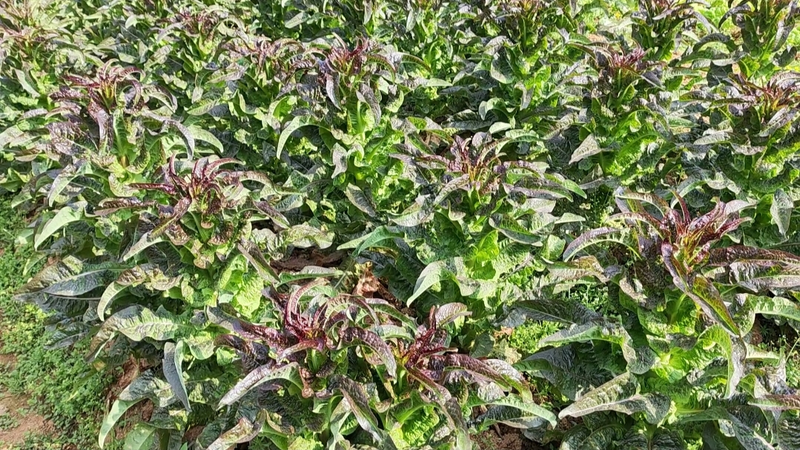
Autumn foods are much cheaper
Garlic, onions, spinach, muscular beans, etc., grow winters at the end of the autumn, harvests in the spring, better quality than spring, and save spring time。
Huang huai region (sandong, henan, etc.): garlic is grown from september to october, with spinach to the end of october。
Southern region: october-november beans, peas growing along the yangtze river are slowly growing in winter and rapidly mature in spring。
Note: cold areas such as the northeast are not suitable for winter winters in the autumn or for spring, march-april。
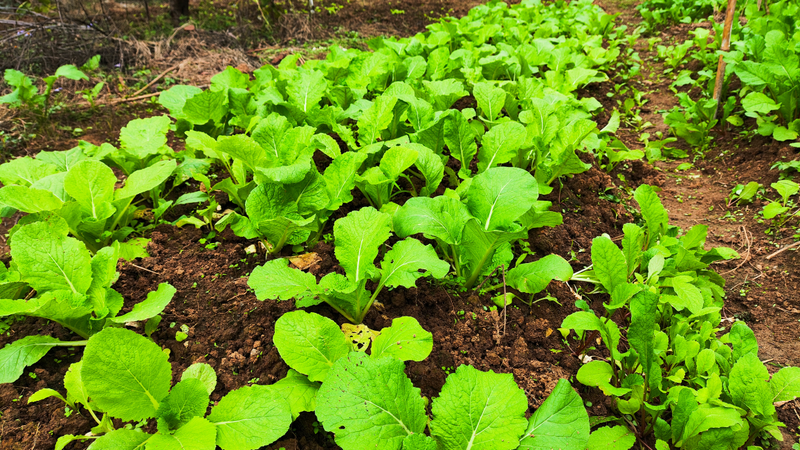
Beware of the wind. Don't look at the seeds
There is too much online sharing of planting experience, but there are too many geographical differences. The sichuan basin, for example, produced paprika in february, while the north china had to warm up. Remember this sentence: "look at the air, look at the sun, look at the temperature, ask about local." similar to the "croping of beans before and after cereal rain" was the 19th of april in 2026, the week before and after which was determined by the local temperature in your home。
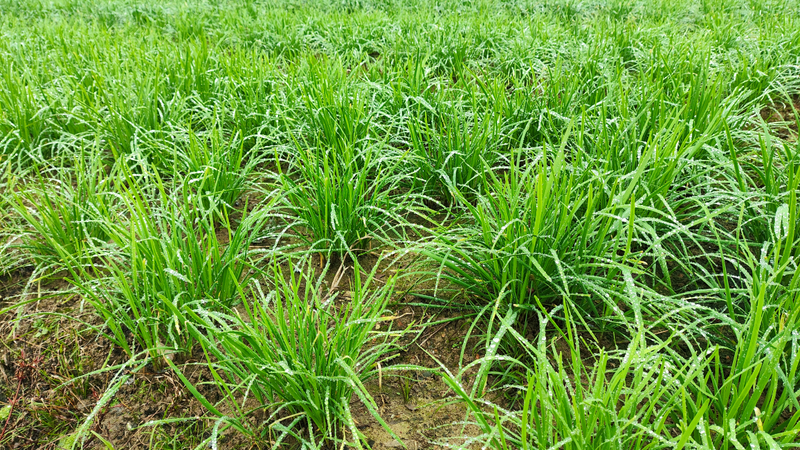
Last but not least, one practical skill:
Each year, key dates are recorded in a memorandum or a menu, such as: “2025. 3. 10 spinach, which is good, and 2025. 4. 20 tomatoes, which are slow and cold”. The following year, with adjustments in mind, will make your own planting calendar more useful than any generic guide。
Growing vegetables is a matter of nature, calendars are reference, land and weather are the real teachers. If you have your own local planting experience, or if you have any doubts about the time of planting in 2026, you will be welcome to talk in the comment area, so that you can share and grow good food together。



