


A hybrid
Multicropping consists mainly of recombining the good genes of two different plants, resulting in new varieties, leading to the performance of two varieties and increasing crop yields. As a general rule, hybrids are largely divided into three types: one is multiplication, where two seeds are chosen first to be hybrids, and the other breeds are then re-combined with herds in the mixed good generations, so that new varieties are produced: the other is return breeding, where some of the good properties of a particular crop are applied to different crop varieties using high-tech techniques, leading to good new varieties; and the other is complex, where the work is done in a more complex manner than the first, where more than three varieties are selected for grouping. There are advantages and disadvantages to these three hybrid breeds, which are frequently used in seed selection processes
Motivated breeds
Stereogenic breeding is an innovative form of breeding that transcends the requirements of traditional breeding methods to limit the growth environment of crops, leading to changes in the structure of dna molecules in crops through chemical and physical induction, leading to changes in crop characteristics and the selection of breeding methods for good new varieties. This is characterized by the short cycle of breeding and its wide application, which is now a more popular form of breeding in our seed research institutions. The chemical mutagenicity takes place in a variety of ways, and it is now common to rely on chemical reagents to paint, drip or impregnation crops, and the physical induction guidelines are mainly used to irritate crops through lasers, heat, rays, etc., to induce changes in their physical appearance。
A total of 100 varieties were cleared, 117 in 2017 and 121 in 2018. Through a combination of experiments, the process of breeding new varieties has been accelerated, and new varieties are available in the seed market, placing higher demands on the cultivation of new varieties. For example, yuanjiang county has different climatic bands such as tropical, subtropical, temperate and cold zones, so that different climates and elevations have different new varieties。
Increasing the level of farming technology
Seeds are an important vehicle for agricultural science and technology, a unique source of life-saving agricultural production and a key factor in agricultural efficiency and farmers ' growth. Increased crop production requires not only good varieties, but also improved seed quality, supported by scientific methods, and the creation of productive environments that meet the biological characteristics of crops in an artificial manner, so that they can thrive, thus enhancing resilience and ultimately achieving high-quality productivity。
Earthless cultivation
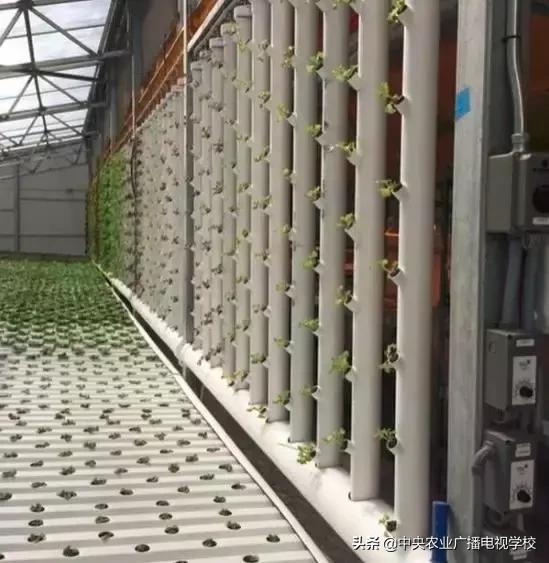
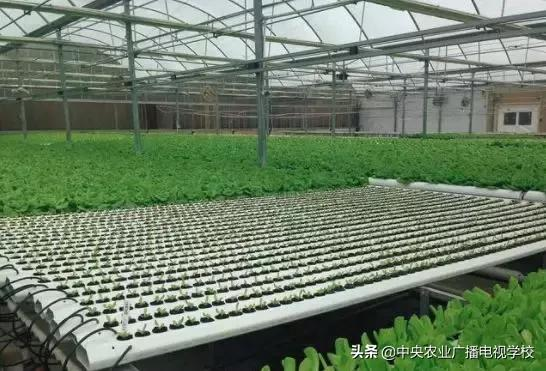
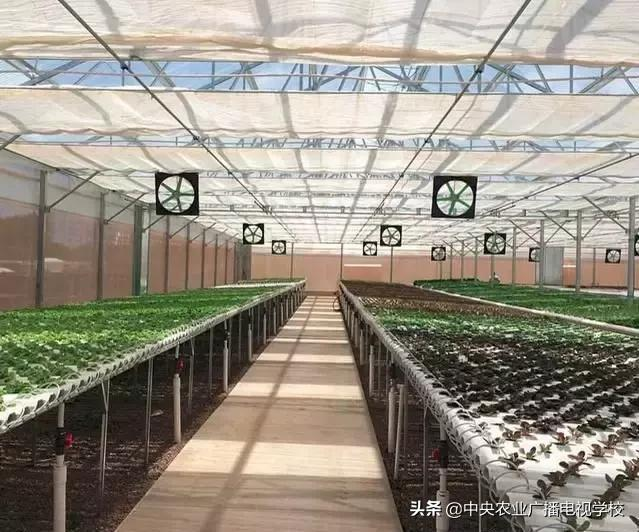
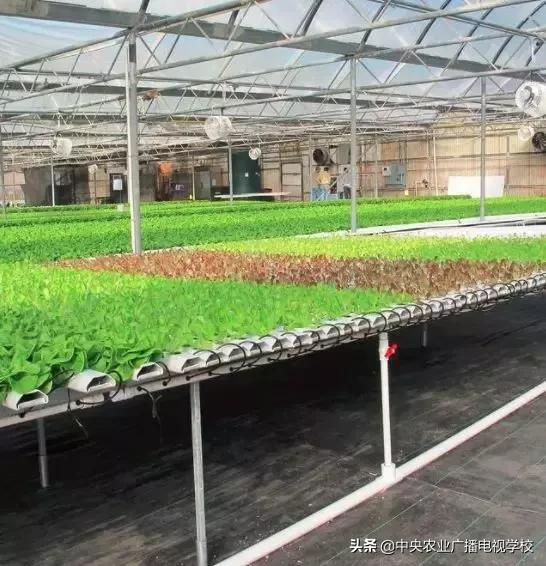
Landless cultivation techniques are by definition techniques for abandoning soil media and for crop cultivation using nutrients and other matrices. The most commonly used soilless techniques are hydroponic and gas-based techniques for soilless cultivation. Hydraulic techniques combine nutrients needed during crop growth into nutrient fluids, which directly feed the roots of plants into nutrients. Plant hydroponic cultivation takes into account nutrients, taking into account the absorption of plant oxygen, thus ensuring healthy plant growth. Due to the maturity of hydroponic technologies and their ease of implementation, they are widely used in the promotion of new technologies. Another aerobic technique, which works by stationing the roots of plants on polyethylene foams for fixation, then mistifies the nutrients required by plants and sprays them in their roots. Currently, because of the high cost of its equipment, its use is relatively limited。
Greenhouse cultivation
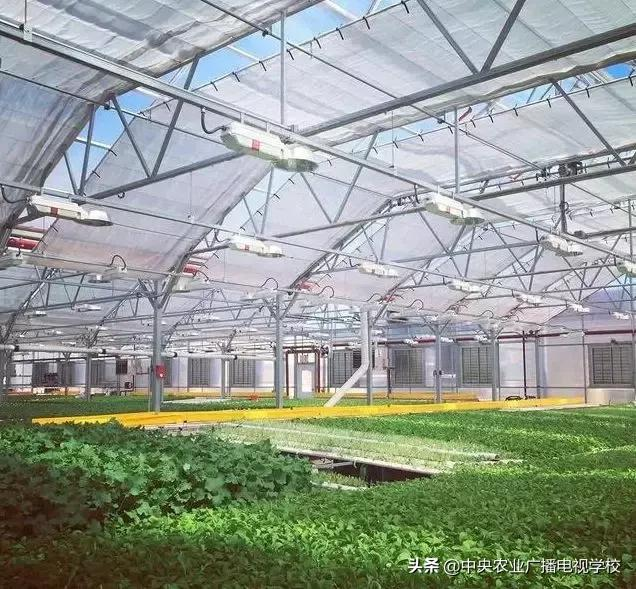
Greenhouse farming techniques are generally applied to horticulture crops. The growth and early flowering of crops is facilitated by the introduction of a range of heating, heating and other facilities, combined with some specialized technical support, to achieve the warming of crops. For example, tomatoes are a warm, radiant vegetable that, using greenhouse-planting techniques, can better meet the temperature needs of tomatoes and contribute to the growth and development of root systems while increasing soil temperature. In the process of converting tomatoes from nutritional to reproductive growth, proper short-day photographs can facilitate the early flowering of their buds, thereby increasing yields。



