


Lilies plant cultivation methods
Lily is a very popular flower species, not only of elegant and diverse colours, but also of great "expressive ability" within the flower family. The following is a collection of lilies. I hope i can help you。
I. Preparation of the ball
The lily seed is spherical in the form of a spherical tub, and the plant should use a spherical range of 11-18 cm。
Once the balls are available, the roots should first be processed. First, fresh roots are removed, then immersed in a polymix solution of 1:1000 for 20 minutes, followed by drying up with fresh water。
Ii. Selection and formulation of the soil
Household pellets can be planted on individualized terms, using well-drained and organically rich peat as a planting matrix。
The ph value of peat is in the range of 5-5-7-0. It is micro-acid, and it accumulates abundant nutrients during long natural decomposition, growing in the soil, with lily silts of bright and white, full of thick meat, thick and developed roots。
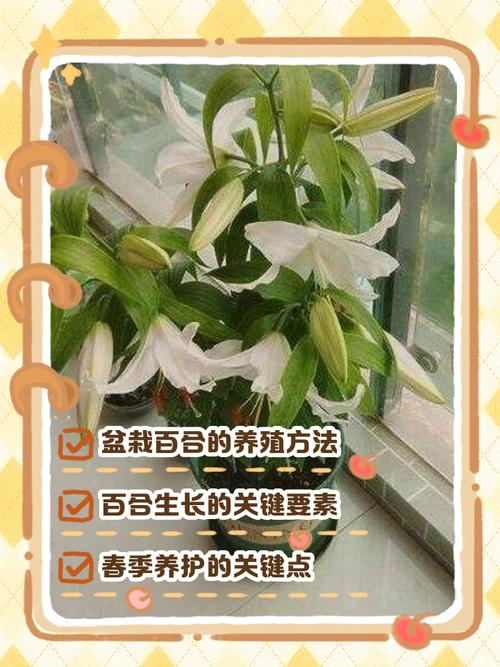
Soils should be decontaminated before planting in order to inhibit the reproduction of microorganisms。
Sterilized fluids are usually prepared at a ratio of 1 to 100 for ff at a concentration of 40 per cent, and are used for half a month after spraying the soil。
Ii. Emplacement operations
When planted, the root of the seed ball is dispersed in the middle of the flower pot, and the bud is buried up into the soil, with the top of the tub 8-10 cm from the surface of the basin. When buried, the spray cans are sprayed with light and light so that they are fully immersed, so that the soil fits closely with the seed ball。
After planting, care should be taken to observe changes in the soil of the basin and to replenish the water in a timely and reasonable manner; before seedlings are produced, water should be moderately watered and the soil should be wet enough to allow for leeching and seedling. If the basin is too wet, water molecules fill the soil with gaps, squeezing the oxygen space, inhibiting the stairwell's breathing and causing decay in serious cases。
Iii. Light conditions
Lilies require different i-light intensity at different stages of growth。
(b) in the long term, the growth of the sprouts requires sufficient light and insufficient light, which causes the growth of the plant and gives rise to the gerontism, and, in the period of pregnancy, moderate shade care of the plant; when entering the winter, care is taken to keep the surface of the glass clean and, as far as possible, to keep it as high as possible。
Temperature and humidity conditions
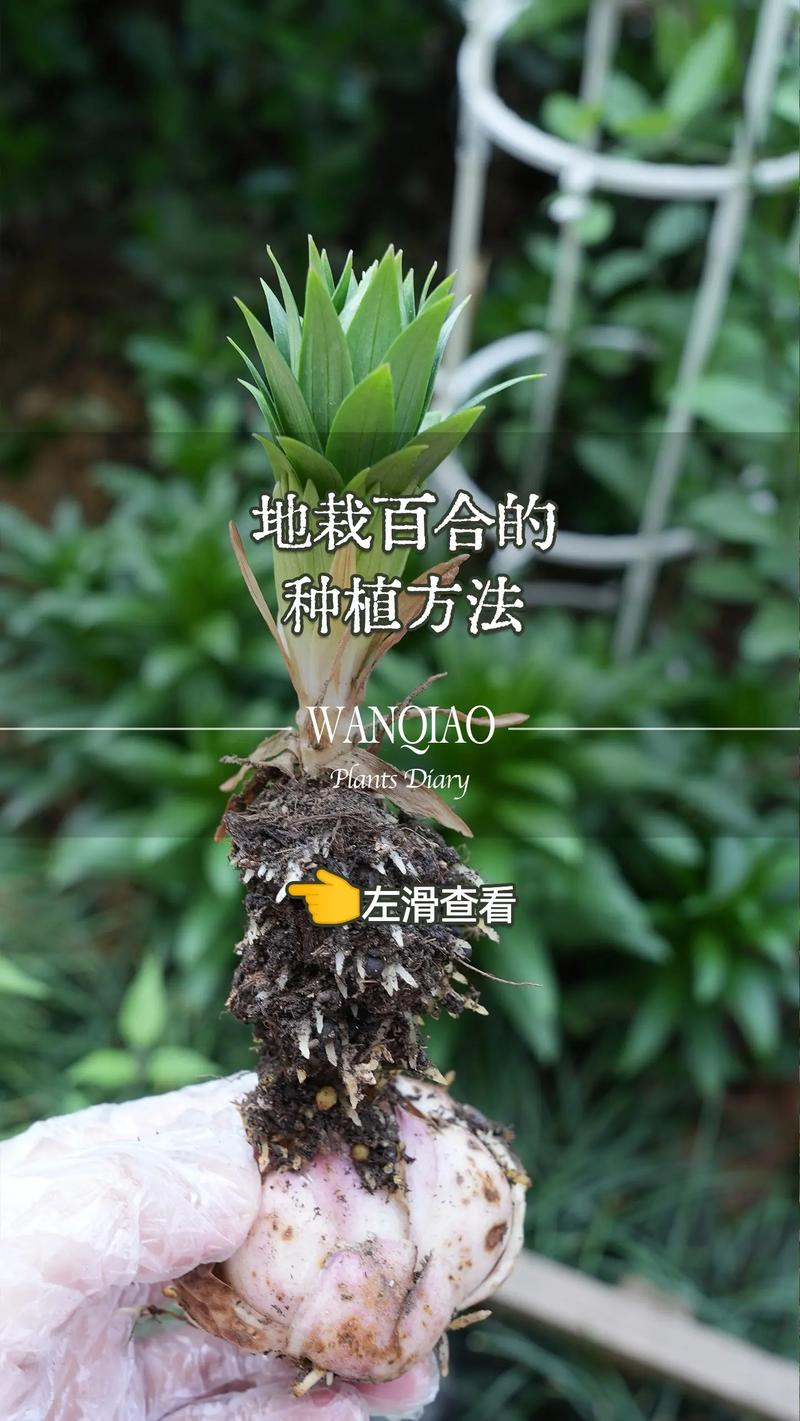
The lilies require higher temperature conditions, and in the first month after planting the temperature of the matrix must be between 9°c and 13°c, with lower temperature conditions conducive to the development of fresh roots. The emergence of new roots will assume the task of delivering nutrients and nutrients to the plants, thus creating favourable conditions for their growth。
The temperature of the environment should be kept between 16°c-24°c after the root is mature。
Plant growth stops when the summer temperatures exceed 30° and winter temperatures are below 5°c. If the winter temperature is below 5°c lasts for one week, the lumbering of the plant and the development of the bud will be seriously affected in the coming year, and the flowering of the light will be delayed, with serious consequences for the blind flowering. Temperature is therefore an extremely important component of the plant lily。
V. Fertilizer water management
During the early stages of lilies ' growth, the nutrients needed to plant the plant are mainly from the nutrients stored in the spas, so that too much bottom fat is not added to the matrix before planting; one month after planting, the weight of the plant is reasonably high。
The nutrient supply of lilies in the long-term life cycle should favour nitrogen and potassium fertilizer and be based on the application of organic fertilizers. In the normal life cycle, thin liquid fertilizer should be applied every 10 to 15 days, with attention to the addition of trace elements such as iron, boron and zinc。
Two doses of liquid phosphorous fertilization can be applied during the flowering period, but care is taken to control the application of phosphorus fertilizers, as the excess of phosphorus fertilizers results in yellow falling of leaves. Typically, the application rate for potassium nitrogen phosphorus is 1:0. 8:1。
After each application, water should be watered in a timely manner, so that the nutrients can penetrate evenly and contribute to the growth of the plant's roots。
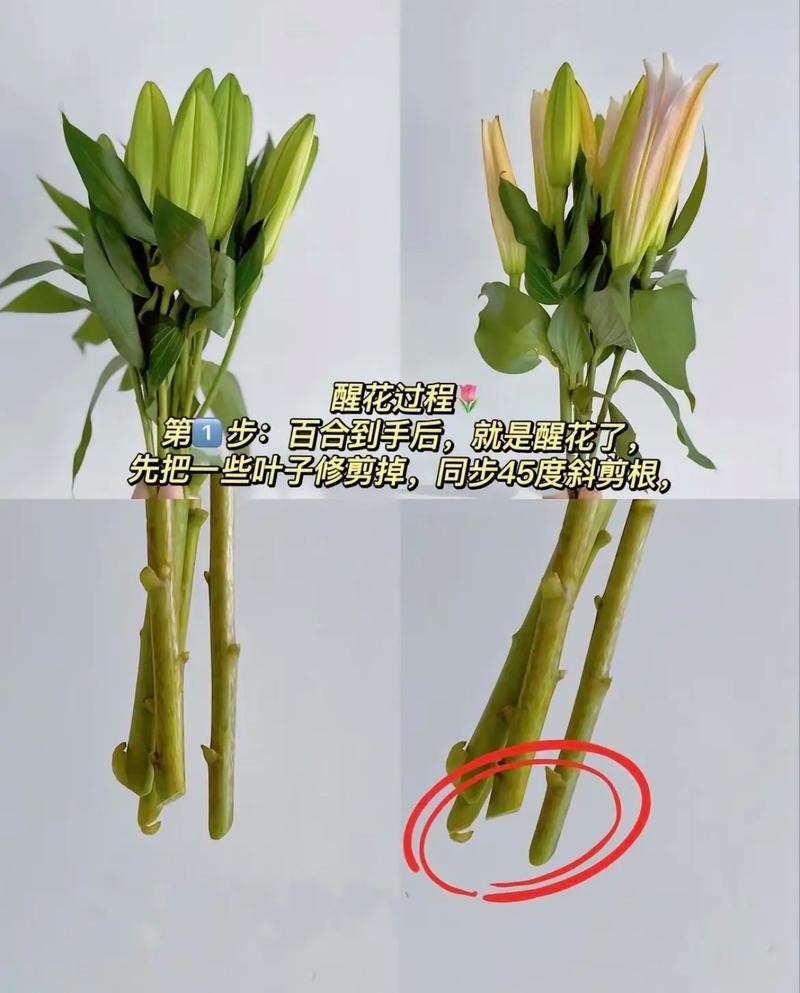
The water is based on the principle of “drinking, wet-dry phase” and the water used is fully tanned, bringing its temperature close to room temperature. Note that in a hot summer environment, water should be distributed in the morning and evening。
Vi. Post-flower management
During the reproductive period of the lilies, during which they bloom, the nutrients of the plants are supplied by the plumes, which, when the plumes of the lilies are given, are gradually dying and the nutrients of the plumes are consumed。
The following year, in order to strengthen the spasms, shall continue to be planted with a separate one to two thin liquid fertilizer, which shall be the main source of phosphorus。
After the end of the month, the tubers become full and solid by nourishing their nutrients, at which point the plant can be cut off from the root of the tubing in order to reduce nutrient consumption, while stopping watering and fertilization and moving the flowerpots to the corner of the balcony where the rain falls and the light is weak。
In the spring of the following year, the new growth cycle began, with the sprouting of the plume, at which time the plant could be repositioned into normal water fertilization management。
Land replacement
Usually, every three years, lilies are replanted with the replacement of the pelvis, with the aim of making the plant more robust, producing larger and more radiant flowers, and strengthening its stem。



