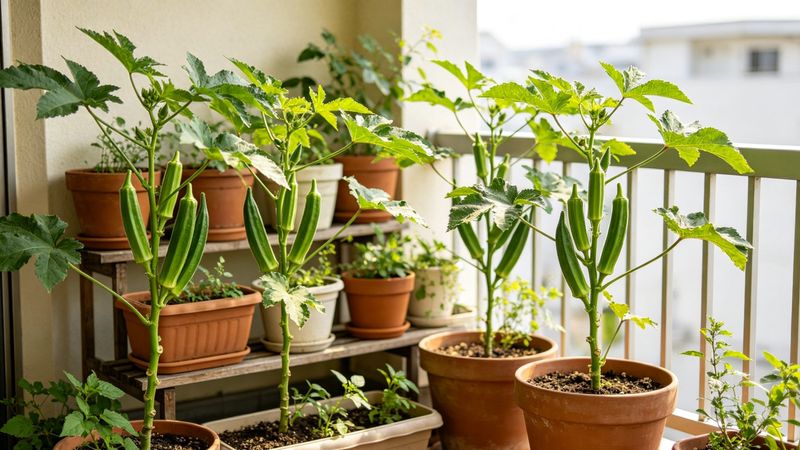
Organic oil and vegetable growing techniques
Biological characteristics
Latin name: brassicacampestrisl.
Alias: moss, cuisine, raisins, raisins, moss mustard, cuisine, sauerkraut。
Cross flower, moss is a one-year grass. The green leaves of oily vegetables, which are home to our country, are dark and green, and the cabbage, such as cabbage, are transvestites. Both north and south are widely cultivated, with production throughout the four seasons。
The oilseeds vary according to the colour of their leaf handles, ranging from white to green. Pills, green leaves, white leaves, straight, soft, bitter and sweet. Green infarction, green leaves, light green leaves, flat dents, strong and standing, small and thick leaves. It's soft, a little bitter。
Good variety
Qin yuh 7, cyan oil 14, chong chong 1, co. 22, oil research vii, ning, ping 3, ping, shuan iv, chosen one, nmy-1, grand butter, dan low, oil three and new no. 5。
Common pests
Aphids, yellow jumpers, moths, food troubles, leaf flies。
Common diseases
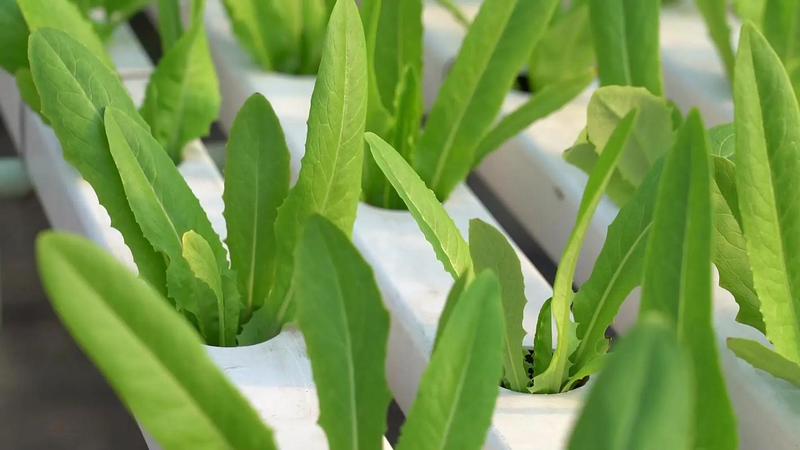
Bacillus nuclei, frost, nectar, nectar, nectar。
Distribution
China's oilseed is divided into two major production areas, winter and spring oil. By its characteristics, the winter oilseed area can be divided into north china, sichuan basin, yunju plateau, the yangtze midstream, the yangtze downstream and six sub-regions along the south china coast. The mustard oil is widely distributed in the cloudy highlands. The provinces of the yangtze river basin have now become one of the world's three major producing areas of kale oil, accounting for more than 70 per cent of the country's total oilseed area. The southern coastal zone of china has a small area under cultivation and is still dominated by more springy cabbage. The area of spring oil can be broadly divided into the tibetan plateau, with three sub-regions in the new interior and the north-east plain. The plateau is dominated by cabbage and mustard and mustard, with some areas covered by mustard and kale. *** curves at 4270 metres above sea level, the highest distribution of chinese oilseeds. The north-east plain is a newly developed spring oil-producing area, dominated by cabbage-type oils, and in some parts there is a distribution of kale spring oils。
Plantation management techniques
(i) improving the quality of transplantation
The good and bad quality of transplantation can have a direct impact on pre-winter growth of oilseeds, which can play an important role in bringing them back alive, mitigating hardship, prolonging their effective pre-winter life and promoting their springing. Therefore, high-quality and demanding quality migration is essential。
One week before planting, apply base fat. That is, 10 kg of compound fertilizer per acre is sprayed with water and then 40 kg of primary organic microbial fertilizer per acre is applied into the field. Manual weeding。
2. Deplantation in due course, rationally embedded
Equivalent cultivation can prolong effective nutrition before winter, allowing for the accumulation of more nutrients to reach the peak of winter. The shift period for conventional oilseeds was better in the early part of november, with two low-carbon vegetables more springy, and the shift period was better around 10 november. In order to take full advantage of the power of the earth and light, and to enable the harmonious development of individuals and groups of oilseeds in order to achieve high yields, the reasonable density of oilseeds in the region should be in the range of 8,500 to 9,000。
3 - flow bottom fertilisation, triple fertilisation。
(ii) rational handling of fertilizers
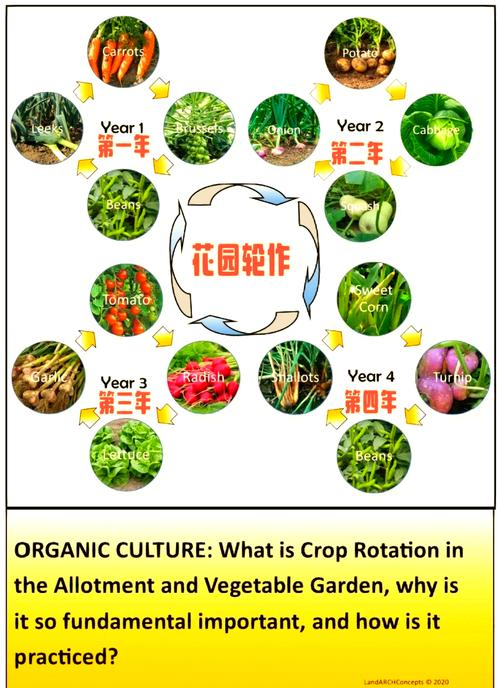
Scientific fertilizer preparation is a key technology for capturing high-yield production. Fertilizer applications must conform to the pattern of vegetable growth and demand, the type of fertilizer should be properly configured and the amount and time of fertilizer used at all stages should be reasonably understood. The principle of "fat-de-fertilization, early fertilization of a tree, re-fertilization of winter fertilizers, and re-fertilization of fertilizers " should be upheld; the application of fertilizers should be advanced to the present period to prevent excessive springing of two low-oil vegetables, resulting in an imbalance in nutritional growth. The principle of distribution after the year in which the total amount of fertilizer was used was 6:4 for conventional oilseeds and 7:3 for two low oilseeds due to the small growth of the previous year。
4. Pest management
An organic partner of 1,500 times the fluid is sprayed for the control of larvae such as aphids, yellow strips, moths, food troubles, and leaf flies。
Storage techniques
(i) acquire and dry in a timely manner
Seeds of oil can be harvested at a time when 70 to 80 per cent of the bouquets are yellow. Too many early seeds, high moisture, not easy to remove, less abundant, and more difficult to store; too late, the corneas are prone to burst and fall, causing losses. When taken off, they are dry in a timely manner, and when dryed, they need to be cooled and dryed before entering the silo in order to prevent excessive internal temperatures and dry heat from occurring (i. E. Oilseeds cause fat decomposition due to suffocation, increase acidity and reduce the rate of oil production)。
(ii) removal of mud impurities
One wind selection should be made before oilseeds enter the reservoir to remove dust mustard impurities and fungus, which may enhance stability during storage. In addition, one test of moisture and gestation rates was carried out in order to capture the condition of oilseed seeds before entering the reservoir。
(iii) strict control of reservoir moisture
The standard of safe moisture for oilseeds entering the reservoir is not a mechanical requirement and should be flexible according to local climatic characteristics and storage conditions. For most areas, general storage conditions are within 9 to 10 per cent, which ensures safety, but in the case of particularly high temperatures and humidity and poor storage conditions, it is desirable to keep the water within 8 to 9 per cent. According to sichuan provincial experience, with more than 10 per cent of the moisture, abnormality occurs during the high-temperature season, which begins to form blocks; more than 12 per cent of the water is formed into corrosive pies, with a corrosive effect。
(iv) cold storage
In addition to water control during storage periods, temperature is also an important factor and must be strictly controlled on a seasonal basis, not normally exceeding 28-30°c in the summer, not exceeding 13-15°c in the spring or autumn, not exceeding 6-8°c in the winter, and measures should be taken to cool the temperature by ventilation if the temperature varies from 3-5°c in the silo。
(v) rational stacking
The height of the bulk of oilseeds should increase or decrease depending on the amount of moisture, which may be up to 1. 5 to 2. 0 m at 7 to 9 per cent; the height of water at 9 to 10 per cent, which may be between 1 and 1. 5 m; the height at 10 to 12 per cent, which may be around 1 m; and the amount of water at more than 12 per cent, which shall be dried up and then taken into silos. Bulk seeds can dredging the surface into wave or pan formations, increasing the exposure of oilseeds to air and facilitating the distribution of wet heat within the stack. Vegetable seeds, such as bagged storage, should, as far as possible, be stacked into various forms of ventilation stakes, such as manual fonts, well fonts, etc. In the case of oilseeds below 9 per cent, 10 packs can be stacked up, 8-9 packs can be stacked between 9 and 10 per cent, 6-7 packs can be stacked between 10 and 12 per cent, and above 12 per cent should not exceed 5 packs。
(vi) enhanced management inspection
When oilseeds enter silos, even if they are low in moisture and impurities, and the condition of the warehouse is adequate, a strict system of inspection must be observed during storage. In general, between april and october, oilseeds with water of between 9 and 12 per cent should be inspected twice a day and water of less than 9 per cent should be inspected once a day. Between november and march of the following year, vegetable seeds divided between 9 and 12 per cent of water should be inspected once a day, with a water content of less than 9 per cent, and once a day。
Seed selection guide
1. Do not trust advertising. The seed market has been liberalized, and some seed enterprises, in order to maximize their benefits, have first published in advertising, and sometimes even lured farmers to deceive their friends, especially new varieties。
2. Choose the varieties you have planted or have farmers around. A crop variety has its adaptability within a given range, and it may not be good for you in the field. Why? It's because of the geography
3. Differences in factors, such as climate, soil and planting habits, make it difficult for species to grow locally. And don't buy seeds from vendors. Seeds on vendors are cheap, seed sources are unclear, counterfeit, poor-quality seeds are abundant, people are lost and losses are not compensated. So you need to buy seeds at a local farm station with a seed business licence or a regular seed sales department. Otherwise, problems arose and it was difficult to obtain compensation。
4. Buying seeds without an invoice. Seeds are a living commodity, and the distributor must be responsible for the quality of the seeds, and the request for an invoice is evidence that you have purchased the seeds, and if there is a problem with the quality of the seeds, the claim may be relied upon. You don't have an invoice, the dealer doesn't admit it. So you buy seeds, like you buy electricity, and you have to write tickets and keep them properly。
5. Take note of the contents indicated on the packaging. When you are certain to purchase a particular species, do not be too eager, but take a few minutes to check the content indicated on the seed packaging. First, check whether the name of the seed is the type you want; check whether there is an unverified symbol or consent to the approval of the seed, and if not, do not purchase it if it is unvalid and unapproved (without the approval of the seed), because these varieties have no prominent advantages and characteristics and are not reliable; also check when and where the seed is produced; there are no clear quality indicators; whether the producer, distributor of the seed indicates whether there is a production, operating license number and contact address, telephone, etc., and if not, do not buy it and can report it to the local seed administration or the agricultural enforcement brigade。