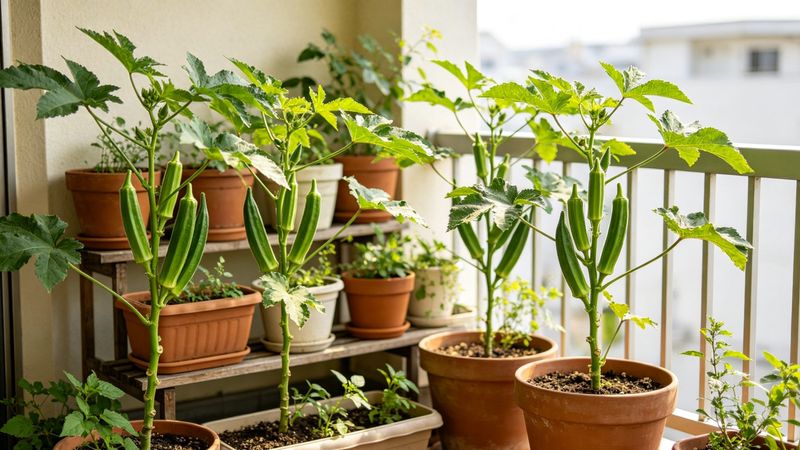
The lilies, also known as the shandans, whose flowers are glamorous, and their gestures are of great value. During the spring and autumn seasons, lilies were planted extensively, at a time when the climate was suitable and provided a good environment for their growth. In general, lilies are grown through seed sprouts, soil disinfection and formal seeding and later conservation. Here's a piece on lilies cultivation and farming。
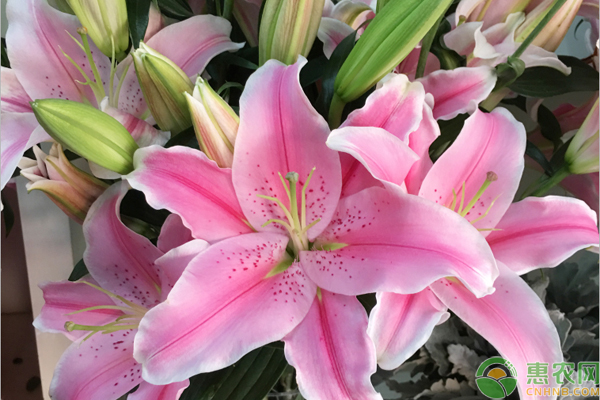
1. Ready to plant balls
It's sprouts up there, root down. Don't turn it around. Some of them don't have roots yet, but they're sprouts up at the beginning。
2. Flower basin selection
Lily is a root flower with two layers of roots and therefore requires the use of deeper basins for planting. A basin with a diameter of 20 centimetres is generally selected and can grow two to three heads. If three heads were chosen for cultivation, they would be more compact and more beautiful when flowers were to bloom。
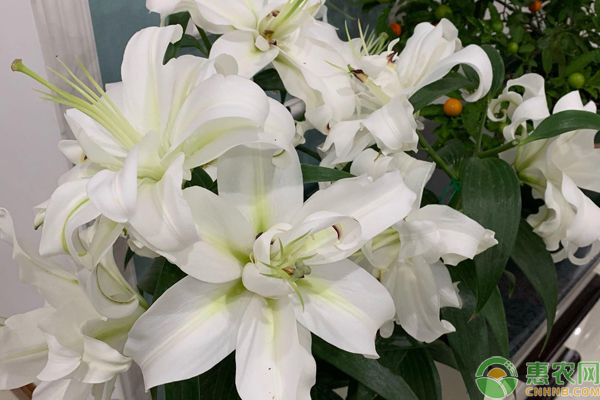
Soil selection
It can be bought directly from the market, or it can be mixed with the soil, sandy soil, decayed leaves, etc., and then added to the base. It is recommended that the basins be replaced every other year with additional soil fertilizer. Acidicity, avoiding the use of limey soils。
4. Fertilizer management
The humidity should be maintained at about 80 per cent, without excessive fluctuations. The water should be watered in an appropriate amount, the soil should be kept wet, and more rain should be rained in the summer, so as not to accumulate water and avoid root decay. The lilies do not need to be applied too much, so they can be applied thinly every two weeks to about 20 days. During the flowering period, nutrient consumption is high and needs to be followed up to provide sufficient nutrients to support flowering. You can select fertilizers that contain nitrogen, potassium elements。
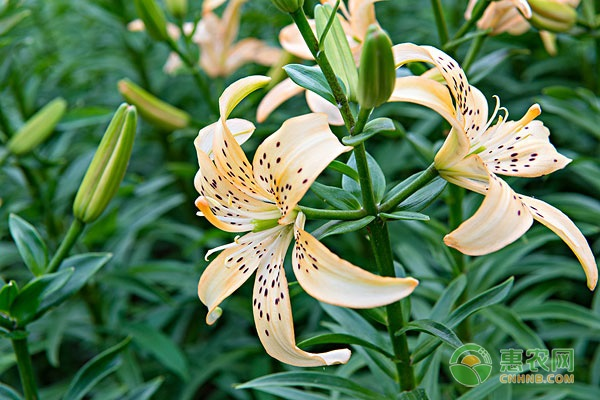
Temperature conditions
Room temperature is normal enough to grow and the temperature is between 16 and 23 degrees. Temperatures are too low in the winter to be moved to indoor maintenance and not below 5 degrees. During the summer, the maximum temperature cannot exceed 30 degrees, with regard to ventilation, which can be stopped by excessive or too low temperatures to resume growth at more than 10 degrees。
6. Pest management
Lily is vulnerable to pests such as aphids, mites and fungi. Lily's leaves and flowers are regularly examined and, if pests and pests are found, appropriate preventive measures, such as the use of pesticides or microbicides, can be taken。
7. Periodic trim
During lily growth, regular trims can be made to promote branches and dense growth, while improving lily ventilation and light. At the end of the flowering period, the tubing is cut off in time to avoid nutritional depletion and to promote the recovery of lilies and the next flowering。
In general, lily prefers a well-silent environment, long in the shadows, which can lead to poor sprouts, affect flowering and slow growth. In order to ensure that lilies grow healthy and bloom beautiful flowers, they need to be provided with adequate light on a daily basis. However, in the event of too much sun in the summer and midday, shades are needed to avoid burns from the reflection of sunlight。
You may be interested in the content of the following recommendations on the cultivation and farming of lilies. If you have a need to buy lilies and learn about lilies' prices, please call here and see if there's any good lilies in the country