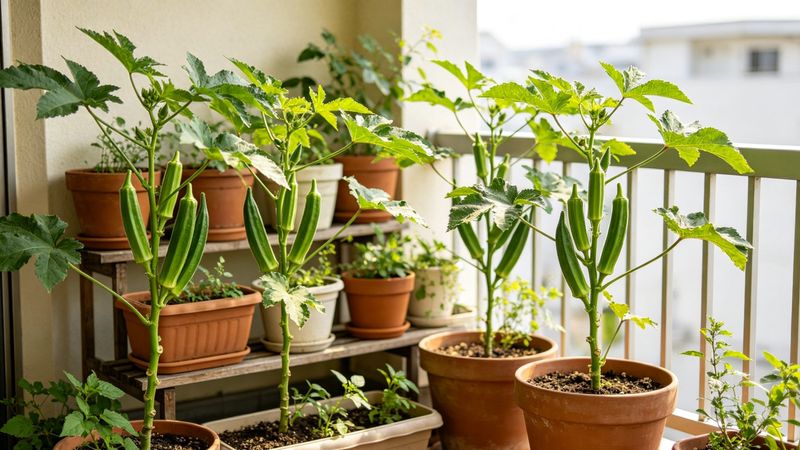
Agricultural season
Clear: 4 april
Valley rain: 20 april
Main farming
This month, emphasis was placed on planting, breeding and planting of various types of vegetable crops; strengthening field management of open-land and shanty-planted vegetables; and timely harvesting of various types of vegetables。
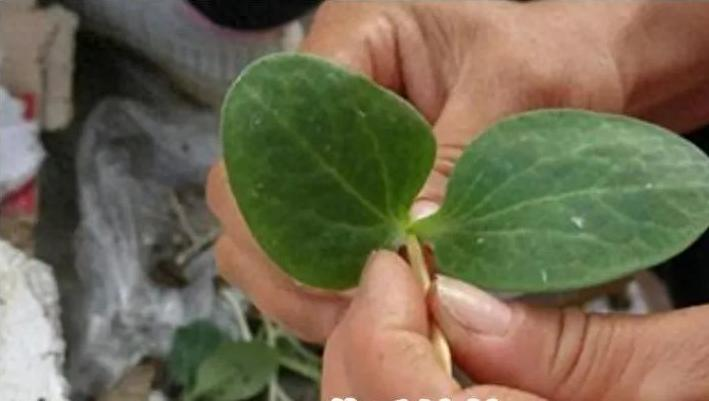
I. Cultivation, breeding
Cabbage, carrots, spinach, celery, cucumbers, beans, peas, pickles, truffles, bamboo cabbage, sunflowers, lentils, potatoes, pickles and vegetables are seeded in the field; gingerbeans are sprouted。
Ii. Cultivation
Cheese nuts, melons, beans, pickles, bamboo leaves, potatoes, etc. Are covered or fielded。
Iii. Field management
The proper temperature, the rapid growth of the seedlings, the timely planting of the plant, the failure to grow due to continuous rainfall or shortage of manpower, should open up the nutrients, increase the area of nutrients and control the water so that the seedlings are not squeezed and lead to long-lasting growth; the rational planting of seedlings, which not only increases the index of replantation, but also contributes to changing the small field climate, such as the planting of melons and pulses in rows, has a significant impact; and before planting, work should be done such as deep tilling, ground preparation and bottom fertilizer。
Vegetables of all types are to be removed from the sheds, carefully managed, ventilated, wet and cooled in the light of weather conditions and to create favourable environmental conditions for crop growth。
Tomatoes, cucumbers, beans, beans need to be mounted in time to prevent fallout; tomatoes need to be sprayed with ketchup convection; all vegetable crops need to be sprayed with potassium phosphate; melon crops need to be artificially pollinated; melons need to be sprayed with ethylene at the time of three or four leaves, which may lead to early decomposition; cabbage and celery also need to be sprayed with fertilizers for extra fattening; celery need to be sprayed with ninety ounces (1g powder with water and 50 kg) to increase production and improve quality; medium tillage is good enough for soil gas and ensure normal crop growth; ground-covered vegetables are properly watered to prevent scavenging and scaveration; field-planted vegetables take care of the grass and resolve conflicts between grass and vegetables; and chemical weeding is carried out strictly in accordance with operational procedures。
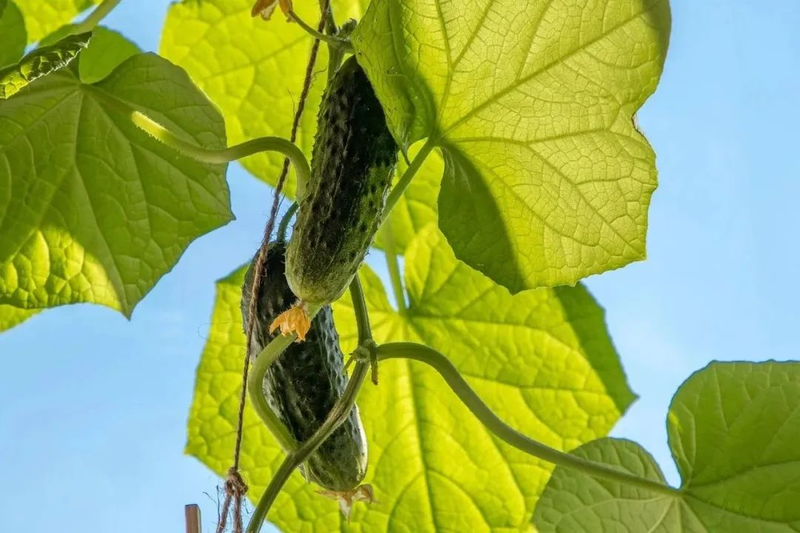
(1) plastic large, medium-street tomatoes, peppers, eggplants, cucumbers, seagulls, and, as the temperature rises, the large and medium sheds will be ventilated day and night, while the doorfruit, root melons will be harvested early and in due course, in order to support the growth of the plant and the upper results。
(2) the cyanide, cyanide and winter radish must continue to be rinsed, while ensuring timely harvesting。
(3) garlic (garlic, garlic cultivation): three to four days before the extraction, stop watering and make a plow of pine soil so that it can be pumped. After extraction, care is taken to keep the soil wet; in case of drought, water is poured in time and ammonium sulphate is applied from 10 to 15 kg per acre, contributing to the fattening of garlic. Five to seven days before the garlic, stop pouring water in order to avoid the garlic and spinals。
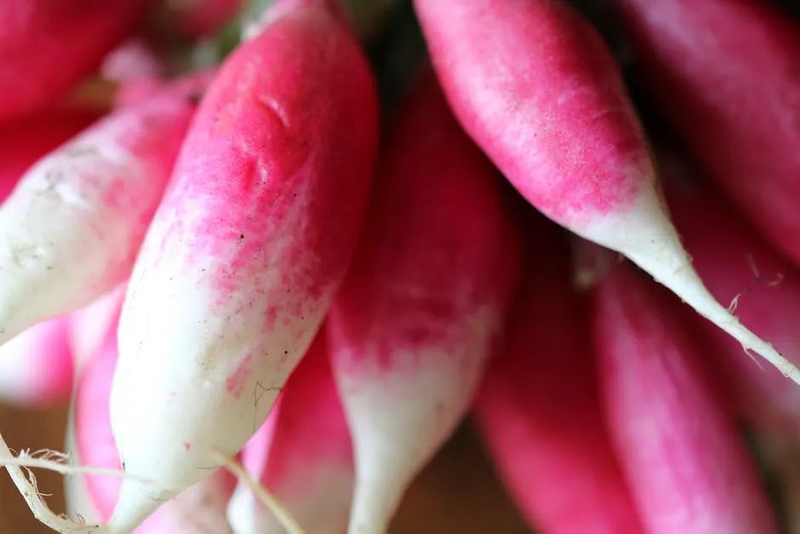
(4) rhods: radish seeded in february-march, sapling once each of the leaves and “breeds” from 17 to 20 cm, before seeding, and twice before scavenging, scavengers were scavenging. After the “breath break”, the straight roots began to swell, urea 10-12. 5 kg per acre and pest control。
(5) spring cabbage: the whole life cycle is covered by the application of 0. 3 per cent to 0. 4 per cent of the potassium phosphate 4 to 5 fattenings, with no drying or watering, and the prevention of soft disease, frost and anthrax。
(6) vegetables: if planted in large, medium sheds, when seeded, be careful to ventilate and water. When the temperature of the shed is 20 to 25°c, when the air is ventilated and the face is white, and when water is sprayed with a thin-hole canteen, it should normally take place at noon, with external temperatures ranging from 15 to 20°c, with all the plastics removed, both to avoid high temperatures and to meet the water requirements of seedlings。
On a single leaf, fattening began, with a thin-holed canteen pouring a 20 per cent concentration of rotting human and animal urine, followed by 30 per cent of rotting human and animal urine, ammonium sulphate and calcium per phosphate every 7 to 10 days, i. E. 300 g ammonium sulphate and 1 to 2 kg per 1000 kg dung, after each harvest or extraction, should be followed by fat。
(7) vegetables (empty cabbage): once a sapling has been produced, three times the amount of water will be poured into the water by decomposed humans and animals, and attention will be given to watering and fattening throughout the reproductive period in order to maintain soil moisture, adequate nutrients and strong growth. Following each harvest, more attention is paid to timely watering and fatting。
Iv. Pest management
Attention is paid to the prevention of tomato ashilosis, early disease, night disease, lignoma, vasectomy, amphibious disease, melon anthrax, frostosis, fungus nuclei, etc., and to the prevention of aphids, cucumbers, cucumbers, small tigers, yellow chords, moths, vegetable larvae, velvet flies, etc。
Collection
Cabbage, carrots, carrots, pickles, pickles, truffles, spinachs, cabbage, cabbage, cabbage, cucumbers, cucumbers, smelts, beans, beans, tomatoes, tomatoes, peppers, pickles, bamboo leaves, etc。