


And sowing the smell of spring
♪ i can't grow ♪ sweat the garden, meet the most beautiful spring on the tip of the tongue, feel the love of spring in a slow day
1. The raw food characteristics: cold, fast, 30 days to harvest, suitable for the plant. It's violet。
2. Spinach characteristics: cold, cold-resistant, 4-6°c germinate, suitable for early spring seeding。
3. Peas point characteristics: soybeans have a short growth cycle and can be harvested several times and are suitable for balconies。
4. Vegetables: wild vegetables, cold and drought-resistant, and edible 40 days after planting。
5. Salmon characteristics: woody plants require large space (e. G. Courtyards) and pelvis control plants are high。
A key step in family farming
1. Preparation for seeding
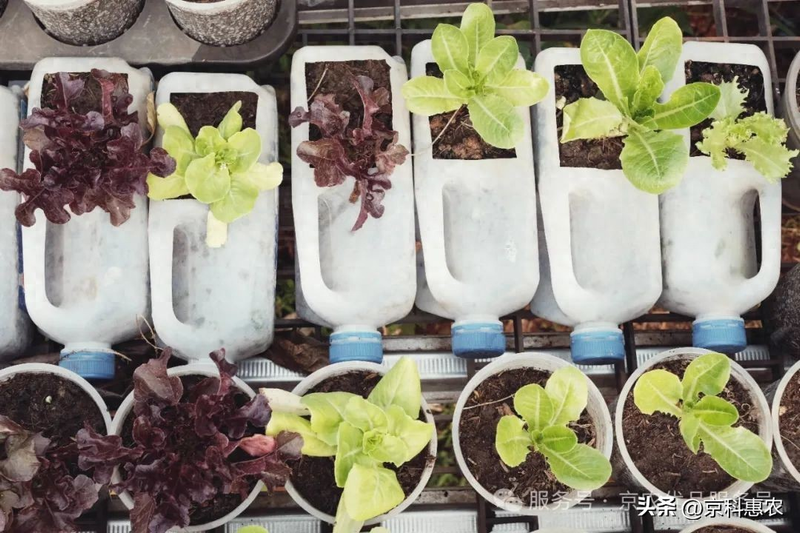
• container selection: a well-ventilated plastic basin, foam boxes (above 20 cm depth), perforated water at the bottom。
• soil treatment: use of loosely fertilized and fertile soil (fossil + river sand + organic fertilizer mix). The new soil suggests that lime (150 g/m2) be sterilized, or that high-temperature tan。
2. Sowing techniques
• drumbing: seed hot water impregnated for four to five hours, with wet paper towels covered with leaching to avoid flashing (e. G. Lettuce, spinach)。
• sowing methods:
Scattered: small seed seeds such as lettuce and pickles, all of which spread behind their surfaces (0. 5 cm)。
Radio: mid-element seeds, such as peas, are seeded in shallow ditches at a distance of 10 cm。
Covered wetting: seeding followed by straw or membrane cover and timely elimination of seedlings。
3. Daily management
Water: keep the soil wet and water every two to three days for a long period of time, avoiding the accumulation of roots。
• fertilisation:
(c) base fat: confusion of decomposed goat dung or bean cake fat (10 per cent of soil) before seeding。
Fertilization: long-term application of diluted organic fluids (e. G. Fish intestine water) or compound fertilizers (1 per month)。
Saplings: 2-3 saplings of seedlings with a distance of 5-8 cm (breed, spinach). The peas are 15 cm tall and pick the sprouts。
4. Pest management
• physical insect resistance: aphid baited with cedars and hand-held larvae。
• disease prevention: maintaining ventilation and avoiding foliage and water (e. G., lettuce morbid diseases)。
Spring pickers, little pastors, let spring come to the table
1. Preparatory/spring: extra lobes are collected in layers and the core leaves continue to grow。
2. Peas tipping: picks the top of the top, which can be collected every 7 to 10 days。
3. Vegetables: whole piles to be pulled up before the flower is blooming, and water torn or made。



