The edible bacteria have extremely high nutritional value, typically containing about 30 to 45 per cent of dry weight proteins, and the whole range of amino acids in proteins, almost all containing eight essential amino acids for humans, and containing a range of vitamins and micronutrients, sugars and other psychoactive substances that have a certain level of medicinal effect, can contribute to human metabolism and body strengthening. As a result, “health-care foods” have become increasingly valued. The edible bacteria are grown in all regions of the country. So what should be noticed in the summer planting of the fungus? Let's see!
In summer, due to high temperatures, which constrain the cultivation of many edible bacteria, how to plant them in the summer, and how to generate economic income from the edible season, many mushroom farmers are concerned, and cherry chicks share many years of experience with summer cultivation。
I. On the selection of bacteria
"title = "smart zero"
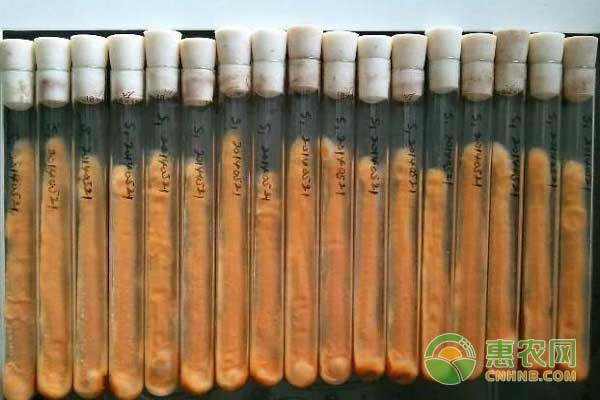
The selection of bacteria should be based on local climatic characteristics, the selection of species suitable for cultivation, rather than the use of aging or contaminated species, and the selection of robust, high-quality, disease-resistant species。
Detailed management
Care is to be taken of the hygiene of the materials, the kits and the tools. The waste is not stacked near the planting room and must be used after treatment by high-temperature composting. The old and new bags in the nursery must be separated and not stacked together for strict sterilization and disinfection. Every time we're done with mushrooms, we clean the roots of mushrooms on the planting bags, the mushrooms on the ground, and we clean the mushroom rooms in time for strict disinfection。
Iii. Scientific microbacteria
For different types of edible fungi, the conditions of growth and development require that the temperature, humidity, light, ph values, etc. Of the science-regulated culture be kept on schedule, and that proper ventilation be ventilated, the healthy growth of the fungus be promoted, the adverse conditions of high temperature and humidity be prevented, the selection of bacterial species, the matching of nutrients, the fermentation of piles, vaccinations, and the management of mushrooms be strictly closed, and strong fungus and sub-entities be nurtured and made more resistant。
Iv. Fertilizing
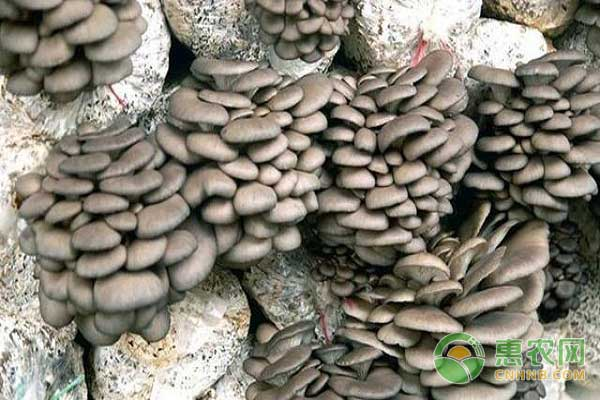
Spraying protein platinum, yeast ointment solution can make mushrooms thick and stimulate turn-off; and spray rice vinegar. In the later stages of mushroom growth, the application of 300 times more edible rice-apport fluid to the front of the fungus can boost production and make the colour more white; the application of a culture leaching fluid can prolong the peak of the mushrooms and make the body fat; and the application of glucose, calcium carbonate solution, can contribute to the growth of the fungus。
Water management
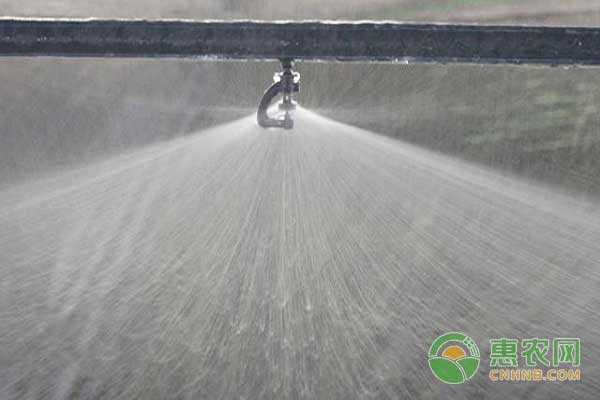
The mushroom rooms are often well ventilated and the relative humidity of the air should not exceed 95 per cent. When the natural temperature reaches 16°c, water is pumped in the arctic and sprayed every morning, medium and evening, to the extent possible, into space and the ground and not onto the sub-entity. It is best to spray warm water with sunlight during the cold season。
Vi. Temperature management
The temperature of the mushroom shed is best contained at 10-18°c when the temperature is lower, with prolonged daylight exposures during the day, and strict curtains at night. When the temperature is high, the curtains are covered during the day, and the curtains are removed at night。
Vii. Ventilation management
When the temperature is high, it is two or three hours a day to open the straw curtains, and less ventilation in low-temperature weather; more ventilation before and after water sprays; less fragrance of mushroom buds; and more ventilation in mushroom buds。
Viii. Light management
The mushroom respirator has a long-term steady dispersing light, insisting on one to two hours of drying in the morning and evening, increasing the weakness of the light and obscuring the strong light when the mushroom comes out。
Prevention and control of pests and diseases
The edible bacteria themselves have a weak resistance to pests and are not easily controlled. The principles of prevention should be adhered to, and integrated prevention should be pursued, mainly through the selection of anti-virus species, physical control, biological control and increased cultivation management。
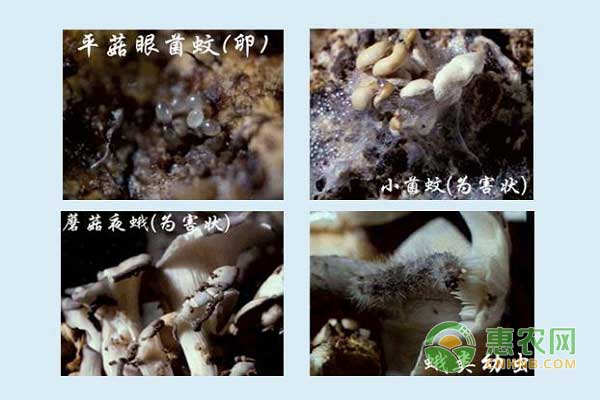
In the summer culture of edible bacteria, attention should first be given to the selection of cultured varieties, according to local climatic characteristics, and second to the rational and effective management of four aspects of pest prevention, fertilization, the environment, water, and the environment, primarily a regulation of the external environment such as ventilation, temperature, and light。