


Prepare for the 1st-tree planting
The date trees are excellently adaptable, but the conditions for their growth are indispensable if they are to grow more robustly, and the soil is loose, thick and abundant. The planting of date-trees on arable land and the implementation of a rotational system of date-trees and food not only allow for the efficient use of land resources, but also achieve a double harvest of date-food. Whether on either side of the channel, on the side of the field or in the yard, it is an ideal place to develop the date palm industry. At the same time, the creation of a multifunctional and efficient complex of fruit and fruit production base could be further developed in conjunction with the construction of agricultural protected forests。
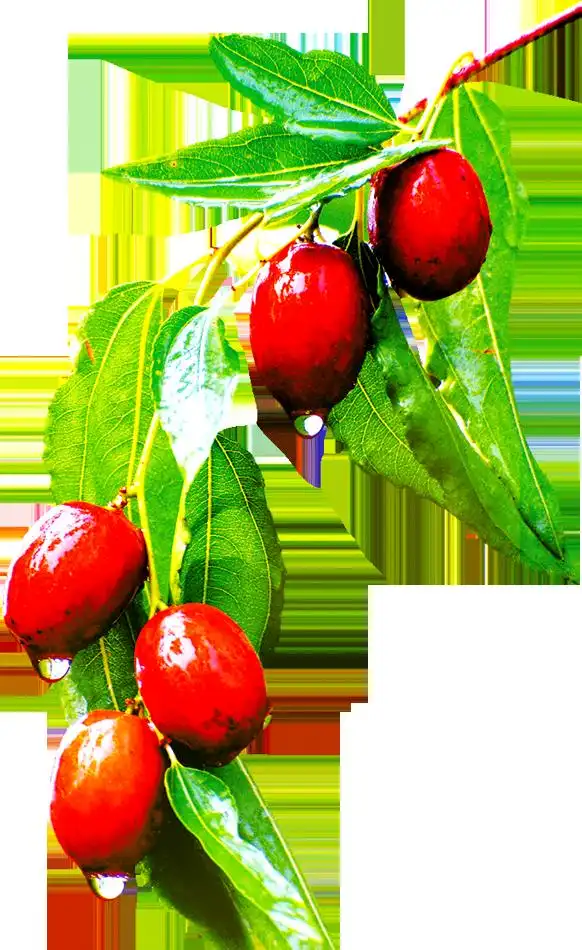
Reproduction method
The breeding of date trees takes place mainly in the form of separate strains and grafts, and some varieties can be sowed. In the process of matrimony, methods commonly used include wood sprouts and branches, most of which use subcutaneous techniques. The following points should be noted: first, to ensure that the ear is fresh and clean; second, to flatten the face of the ear; in addition, to align the formation of the ear and the log; then, to bind it closely; and, at the same time, to operate quickly; and lastly, to take measures to maintain proper humidity, such as the burial of soil or plastic bags, and to pour water into the nursery five to seven days before the marriage in order to facilitate decoupling。
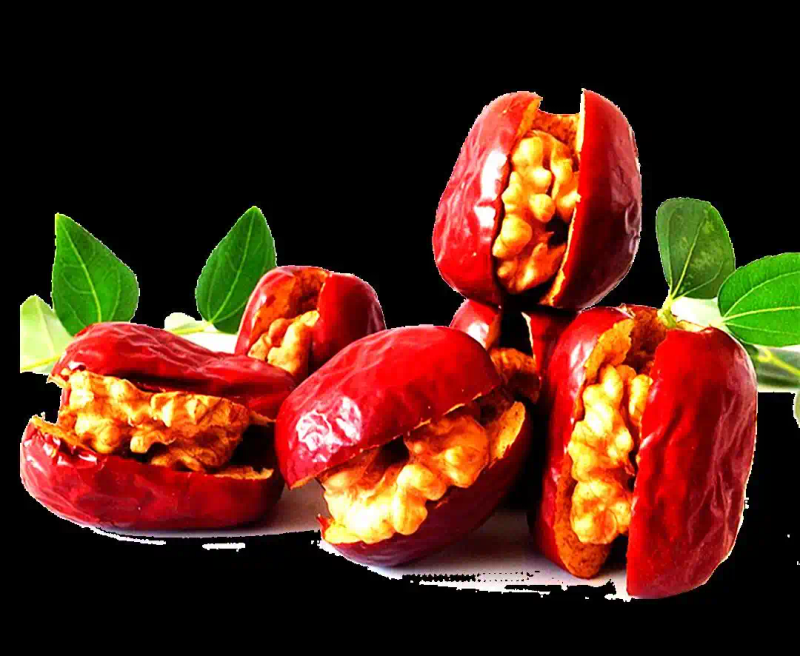
Date-planting techniques
1. 1 [planting season and density]
The planting season is preferable to the spring and autumn seasons, which are good and usually take place during the week before the date-palm. With regard to planting density, the range of the range of the branches can be set at 4-5 m x 5-6 m, with approximately 22-33 acres per acre; for long-term date grains, the distance should be 8-15 m and 4-6 m and should be fixed using the north-south route. The size of the den is usually 80 cm2 and requires application of more than 10 kg of farm-based fertilizer. During planting, the root neck of the tree shall be balanced with the ground and the soil shall be refilled in order to support the tree. Upon completion of the planting, water shall be poured to ensure the operation of the tree. In addition, it would be more beneficial if the roots of the trees were fertilized with phosphorus sludge before planting。
1. 2 [fatwater management]
The soil, fertilizers and water resources must be carefully managed in order to ensure the harvest of date trees. In irrigated areas, in addition to winter irrigation, there should be consistency with the irrigation cycle of wheat. During fertilization, 0. 15 - 0. 25 kg of ammonium phosphorus should be applied to each date tree, with a reasonable choice of the crop to ensure good ventilation. In addition, it is important to ensure that the trees are sufficient, dry and trim in a timely manner。
Specific management measures are as follows: after the spring soil has been unfrozen, the soil is tumbled deep within 2 metres of the date tree in order to improve the air condition of the soil. Pine weeding should also take place in a timely manner, with a lean spring and a deep fall. Before freezing at the end of autumn and pre-spring sprouts, applied to base and after-effects, respectively. For date trees with a single production of 50 kg of fresh dates, 100 kg of co-fertilizer or 1. 5 kg of nitrogen, phosphorus and 0. 5 kg of potassium fertilizer are recommended for application. A 40 x 40 cm loop at a distance of 1 ~ 1. 5 m from the trunk should be dug for fertilization and the fertilizer applied. Each date tree should be exposed to a radiation gutter method of 0. 5-1 kg urea over the long term, both in the flowering season and in the nursery. Where irrigation conditions are available, water should be pumped in a timely manner before the flowering period, the date of the beehive, the period during which the fruit swells and before winter。
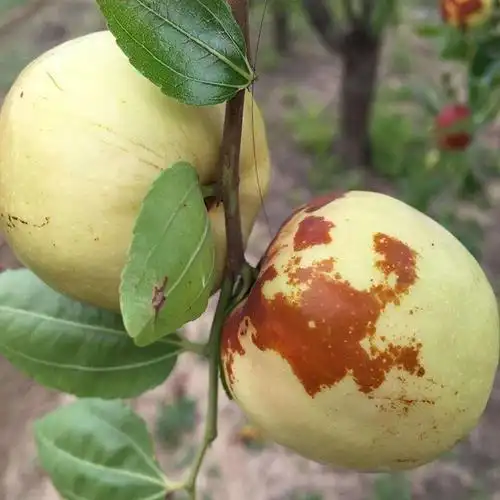
1. 3 [prosthetic and trim]
The date trees that have been planted need to be dried up at a height of about 1 metre in a field of date-palms and about 1. 5 metres in a crop of date-palms. Intracting and trimming are mainly carried out in winter and spring. In the first three years of the date-palm tree, we should adopt a light cut-in-the-crop approach that promotes a union, with more branches to help in the rapid formation of the crown. At the same time, we need to be active in shaping productive tree formations, which are now commonly used in primary evacuation stratifications, multi-pillar natural roundheads and happy shapes. When the date trees reach the end date, we control the long branches, keep the regular branches and cut the dead branches。
03 shearing technique
[crunching period]
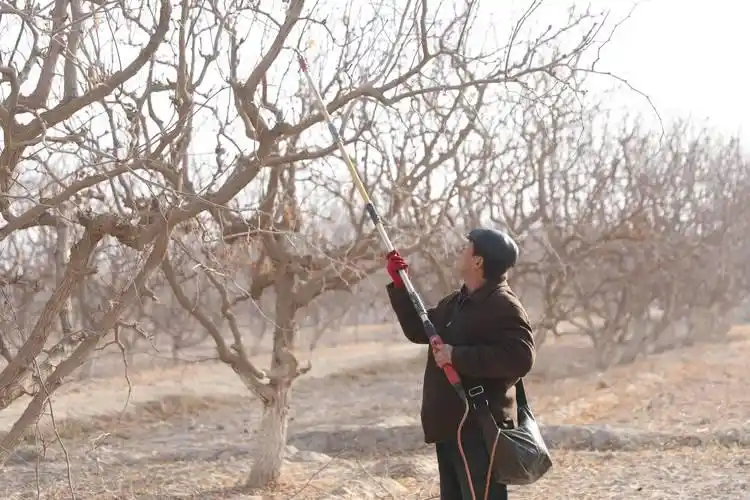
The dates are usually trimmed in winter and summer. The winter cut-off usually takes place during the period between the fall of the leaves and the flow of the leaves in the standing years, but, due to the long hibernation of the date trees, their weak capacity to heal and the high spring wind, in practice, winter cut-off is selected for march-april, i. E. The spring period, although it is still used to be called winter cut-off. The summer cut-off was mainly carried out between late june and early july, when date-bearing had shifted from a boom to a slowing phase, which was the best time for summer cut。
[wipping method]
The date trees are trimmed in five main ways: wiping, retracting, cutting short, taking a heart and cutting. Sloughing means removing from the base the dry branches within the tree crown, the inoperable branches, the down branches and the overtly branches. This approach helps to concentrate the nutrients of the tree body, adjust the degree of diffination of branches, ensure ventilation and balance the growth of branches. The retrenchment is a condensed multi-year extension branch or result branch. In this way, the angle of the branches can be reoriented and their growth enhanced, thereby promoting the regeneration of the branches and the renewal of the old trees. Short, that's cutting too long branches. Short cuts can increase the accumulation of nutrients in the lower branches, stimulate the emergence of the main buds and encourage the production of new branches, thereby ensuring the strength and normality of the tree body. The heart is removed from the top of the new dates during the growing season. In this way, the growth of dates can be inhibited and the rate of date-bearing fruit increases. Carving takes place at 1 cm above the main sprouts to promote the onset of new branches. However, this method is often not common, as shorter methods are more simple and effective。
Pest management and processing
2. 1 [pest control]
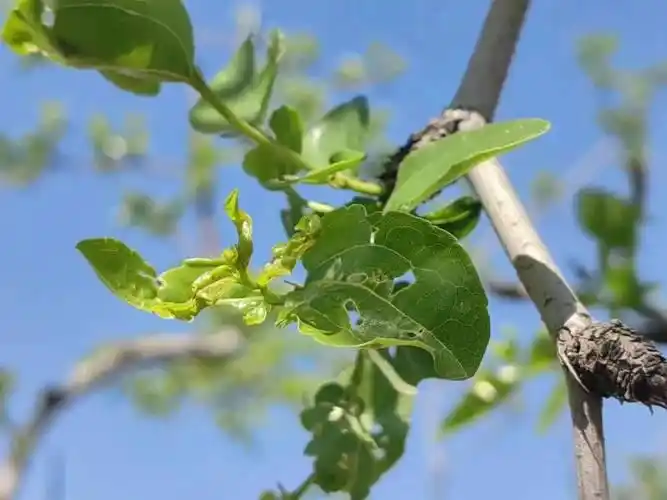
There are a wide variety of dates and pests, including date rust, date madness, tremors and anthrax. In order to combat these diseases, the management of date-palms needs to be strengthened, rationally trimped to enhance tree position and drain in a timely manner during the rainy season in order to prevent the orchards from being wet. In late autumn, the fall leaves should be completely removed and burned. Different diseases, such as date-crazy and epidemiology, require specific medication. Insects, such as date mosquitoes, shellworms and date elephants, need to be treated with appropriate pesticides when they occur. At the same time, care needs to be taken to combat pests such as oxen, which can be done by scratching the topsoil around the neck, finding worm holes and injecting pesticides。
2. 2 [the date processing and uses]
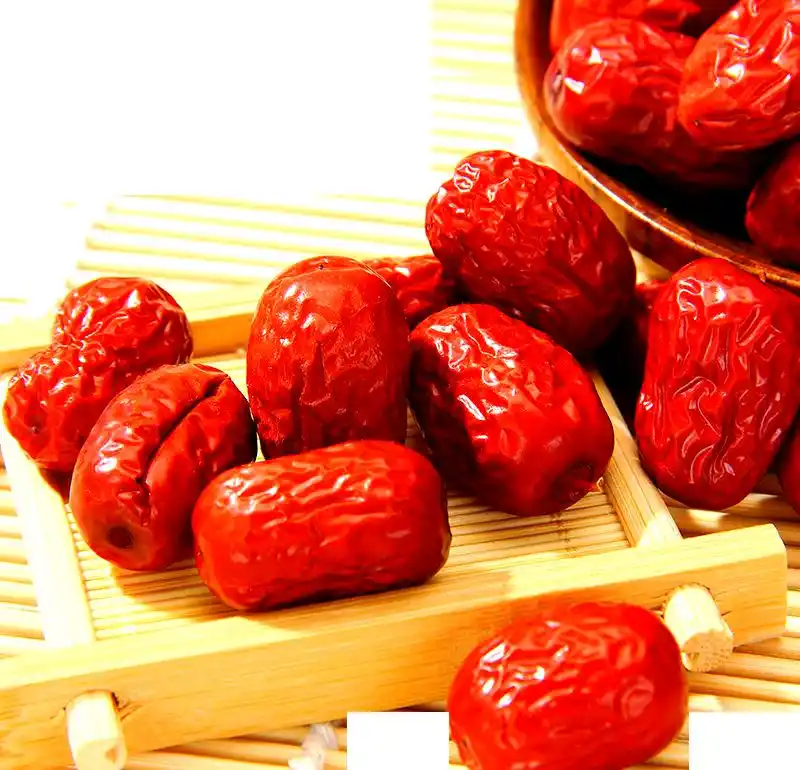
Harvesting takes place when the fall fruit matures, and the impurities are carefully picked and dried. The processing of dates can be diversified into honey dates, red dates, smoke dates, black dates, date of wine and date of teeth, and it is an important raw material for the food industry, such as dates, dates, wine and vinegar. In addition, the date trees themselves are of high value and can be used for cargraving, shipmaking and musical instruments. The processing of dates has contributed to china's economic development, with large amounts of date palms and their processed products being exported to various parts of the world each year, making an important contribution to economic development and trade。



