- how mushrooms grow mushrooms
The methods used to plant mushrooms are relatively simple, but technical and managerial elements are still needed to obtain high-yield, high-quality mushrooms. Mushroom cultivation includes, among other things, bacterial selection, preparation of a culture base, vaccinations, fungi, mushroom management, etc. The different species of mushrooms vary in terms of the conditions of growth and management and therefore need to be adapted to specific varieties。
In order to help readers better understand the basic processes and key points of mushroom cultivation, the following will be summarized in terms of planting steps, materials needed, environmental requirements, common problems, etc., and presented in a tabular form。
Ii. List of mushroom cultivation methods
Item
Contents
1. Bacteria selection
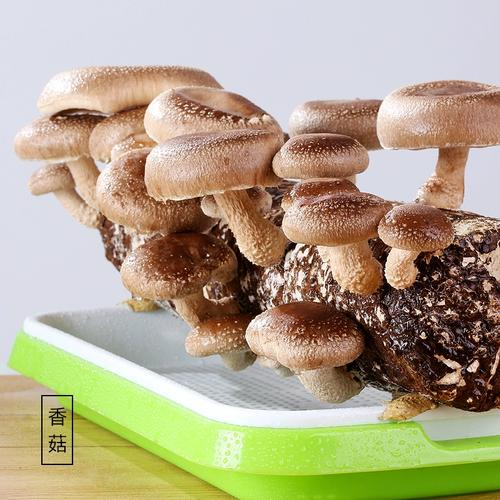
Suitable mushroom varieties, such as mushrooms, mushrooms, golden needle mushrooms, almond mushrooms, etc., are selected according to market demand and local climate. High-quality, disease-resistant strains are recommended for selection。
2. Preparation of the culture base
Common raw materials include wood crumbs, cotton seed shells, maize cores, straw, etc., which need to be fully fermented and treated to ensure that they are not contaminated with fungi。
3. Vaccination operations
In a sterile environment, bacteria are integrated into the culture base, care is taken to control temperature and humidity and avoid infection。
4. Bacillus stage
Maintain a suitable temperature (usually 20-25°c), humidity (60-70%), good ventilation and rapid growth of mybs。
5. Shroom management
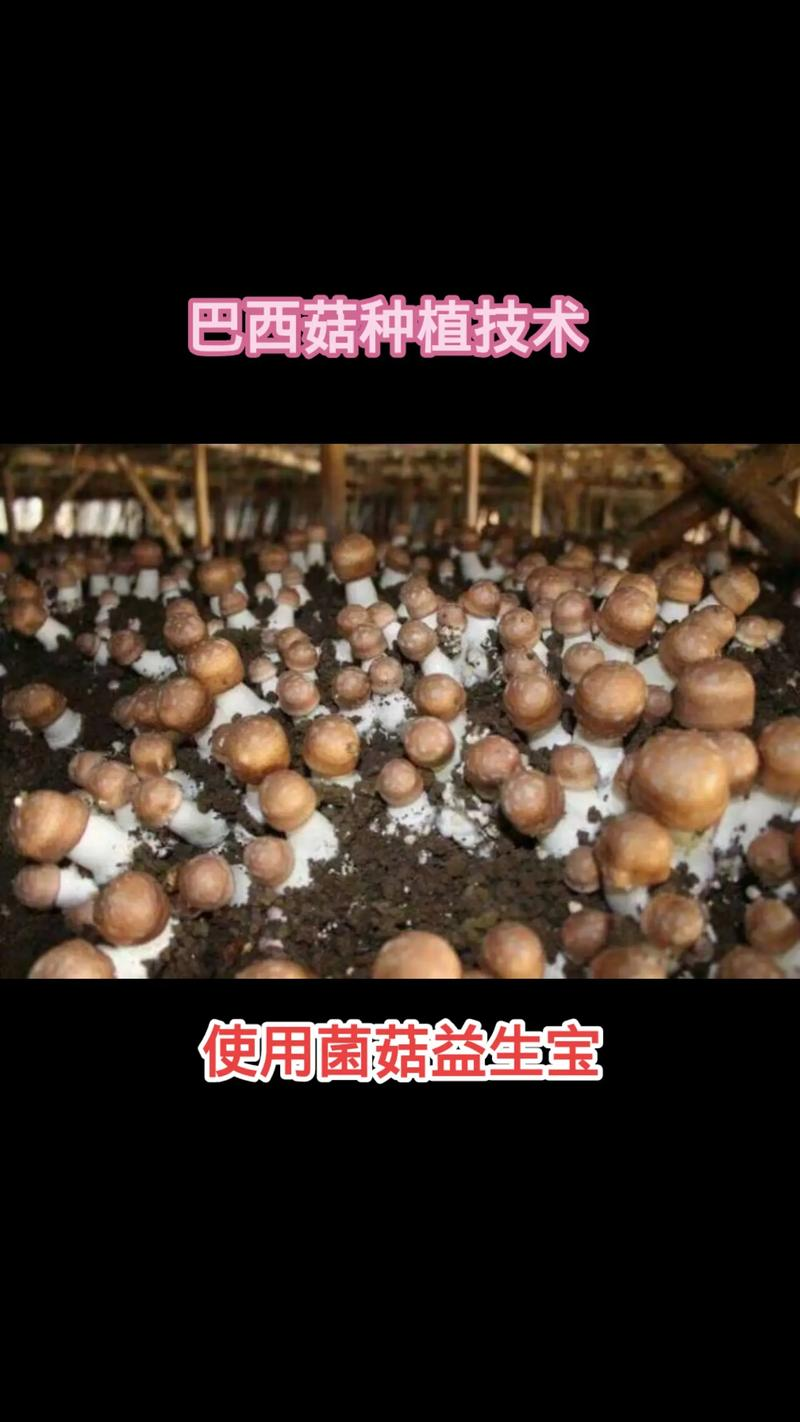
When the fungus grows full of cultures, adjusting temperature differentials stimulates mushrooms, increasing humidity to 80-90 per cent, and proper light helps improve yields。
Collection and conservation
When mushrooms mature, they are collected in a timely manner to avoid the effects of ageing. After extraction, it can be refrigerated or dryed for storage, with an extended shelf life。
7. Pest management
Periodic inspections have revealed the timely treatment of the disease, the use of biologically prevented or low-toxic pesticides and the reduction of chemical use。
Iii. Notes
1. Before planting, local climatic conditions should be understood and planting time should be rationalized。
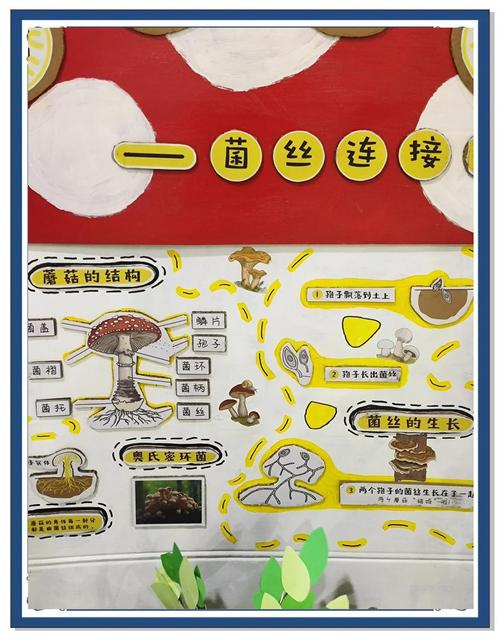
2. Maintain sanitation to prevent the growth of fungi。
3. Different varieties have different needs for light, humidity and temperature and require targeted management。
4. Avoid frequent flipping of cultures to avoid the destruction of mycelical structures。
First scholars can start a small experiment to build experience。
Concluding remarks
Mushroom cultivation is a low-technology but stable agricultural project that is particularly suitable for family farms or small-scale growers. Scientific management not only improves production but also ensures product quality and meets market diversification needs. It is hoped that the above will provide practical reference for friends who want to engage in mushroom cultivation。