They want more flowers and more flowers, and they're too happy to run them
Today, 5 april, on the festival of qingqing, the common saying is, “behave the beans before and after the clear.” in our northern part of the country, we planted prism beans in the field, which began in mid-march, in mid-march, in protected areas, for 25-30 days, before the temperature stabilized in mid-april。
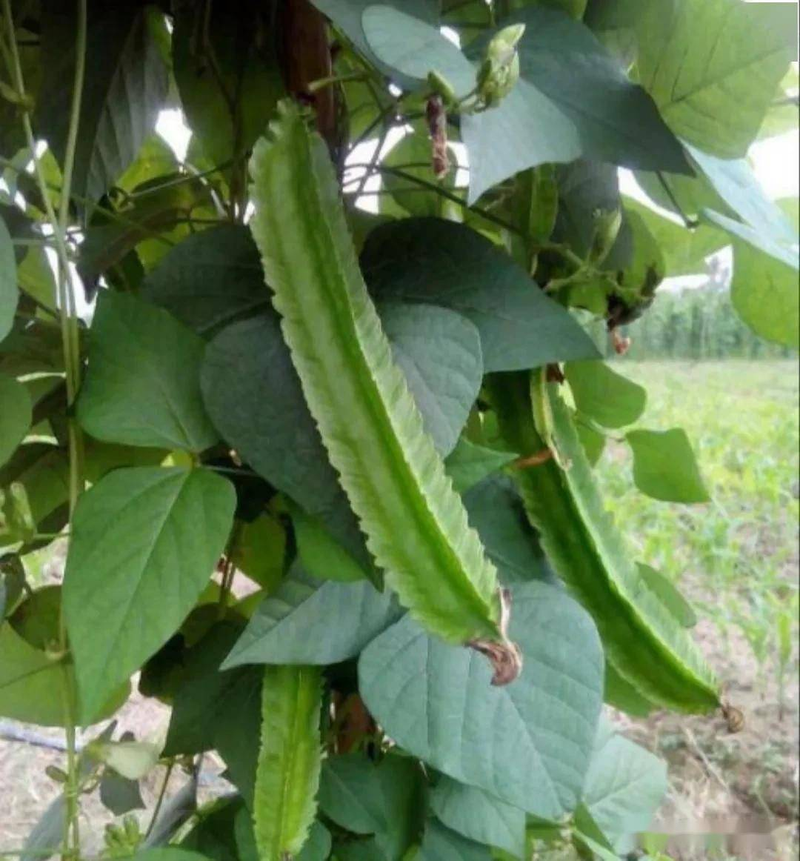
A number of friends also planted a few prisms behind the front of the house or at the side of the garden fence. However, due to inexperience in planting, or inappropriate post-planting, extensive management, which allows them to grow naturally, and when the conditions of water fattening are met, the result is the cultivation of prisms, which tend to be rich, with little or no flowering, or a serious phenomenon。
In fact, it's not hard to grow prunes, to grow flowers, to learn how to manage them. In order to better achieve the purpose of planting, it is important to first understand the reasons for the decrease in the number of prisms, and to manage them in such a way as to make less of a turn towards production。
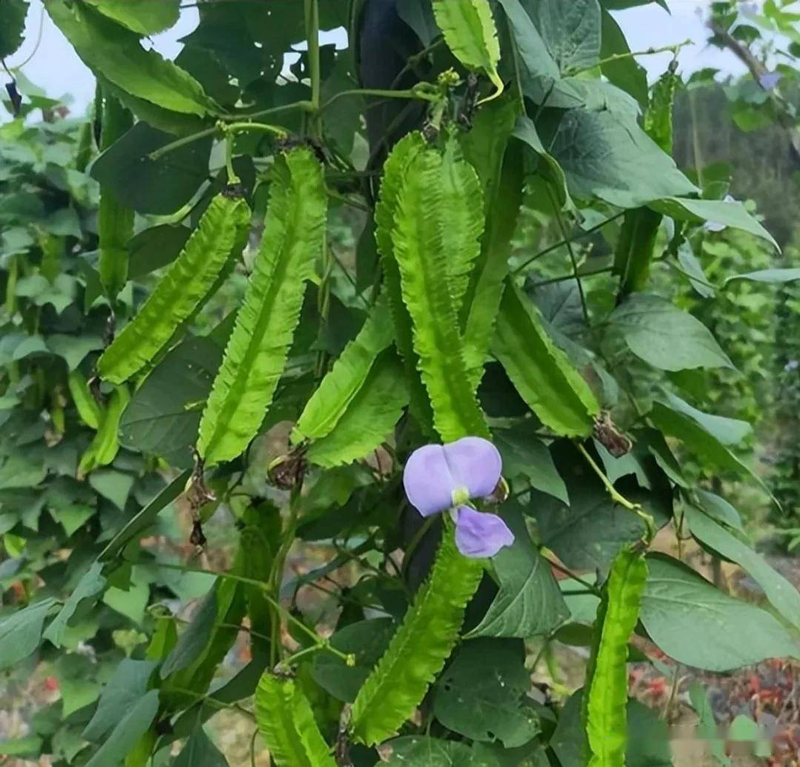
The main factor that led to the loss of the guacamole
1 temperature factor: triple bean is produced in tropical areas and is of a steroid-resistant nature. The flowering acupuncture requires a certain temperature in the environment, and when the fertility temperature exceeds 35°c, especially during the prime time of the prism, it often leads to the development of the buds, which do not allow them to bloom or sit. During the flowering period of the quadrant, when the fertility temperature is below 17°c, plant growth and development slows down, leading to poor development of the bud and loss of it。
Photometric factors: triple bean is a short-suntan crop with impatience and sensitivity to sunlight varies according to variety. Varieties that are sensitive to solar reactions are prone to growing leaves rather than flowering。
3. Drought factor: four-legged peas prefer warm, wet weather conditions and fear drought and flooding. Especially during the period when the prism enters the flowering season of reproductive growth, if the drought results in a lack of water, the reproductive growth of the quadrant is not properly grown and developed, thus causing the fall of the plume。
4. Improper application factors: triple bean to root tumours have a strong nitrogen-fixing effect, it is inappropriate to apply nitrogen-based fertilization in fertilization management, and it is mainly phosphorous and potassium fertilizer. In cases where nitrogen fertilization is applied, it leads to excessive nutritional growth, weak reproductive growth and poor flowering。
5. Pests and pests: in some gardens that are grown on a perennial basis, or in the form of soybean crops, especially soybean scabs, there is a high risk of damage, as well as a habit of migration and poor pest control, leading to soybean scabs being exposed to soybean scabs, resulting in empty scabs and fallout。
It's not hard to know how to manage it
Temperature control: seeding at appropriate intervals according to local climatic characteristics. The sprouts of prism are at a temperature of 25-30°c, 15°c or above 35°c; the suitable temperature is around 27°c during the day and 18°c during the night, but not below 17°c. The planting of seedlings is early on using protected areas for seeding, and shade cooling management at high temperatures。
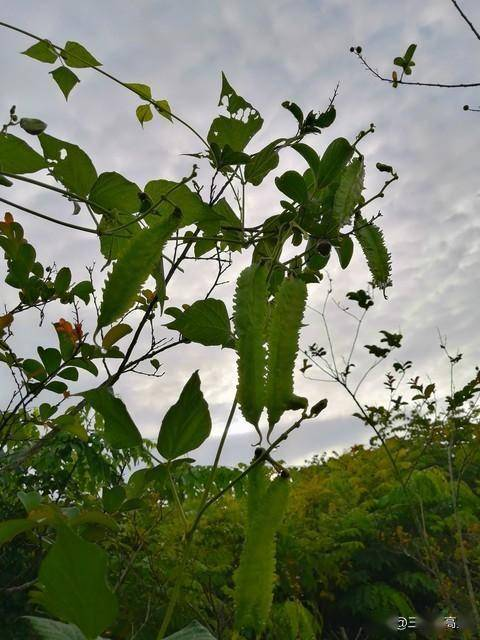
Light control: due to geographical differences, the introduction of seeds from different regions, the planting of prisms in short-day-photo varieties under long-sun-light conditions or the selection of higher-temperature-required varieties for cultivation in the north, can lead to poor flowering of almonds. It is therefore appropriate to choose the species that are not sensitive to the sunlight and that require a lower temperature ratio to plant the prisms in the north。
3. Water fertilization management: the prisms are wet and drought-resistant, and in the long term soil humid and dry to better meet the growth and development needs of the prisms. Drought in the soil during flowering periods can lead to the disruption of reproductive growth, with large numbers of flowers falling. It is therefore appropriate to water it in a timely manner and to water it in a small manner. In the management of fertilizers, which are dominated by fully fermented and decomposed organic fertilizers, fertilizer is applied in conjunction with leaf fertilizers, and in the middle and later stages of quadrant fertility, root tumors are highly nitrogen-fixing, so that nitrogen fertilizers are not applied in order to prevent long-term growth。
4 the management of whole branches cannot be underestimated: in the process of prism cultivation, because of the relatively large growth of this plant, it is necessary to set up in a timely manner for the breeding of the chickens, the whole, the heart, the top, the leaves, the permeability, the reduction of disease and pests, the removal of vulnerable buds, the control of nutritional growth, and the concentration of nutrients for export to reproductive growth, so that the falcons can be significantly increased (with regard to the falcon, the whole branch and the heart of the bean, previously shared, this is not repeated)。
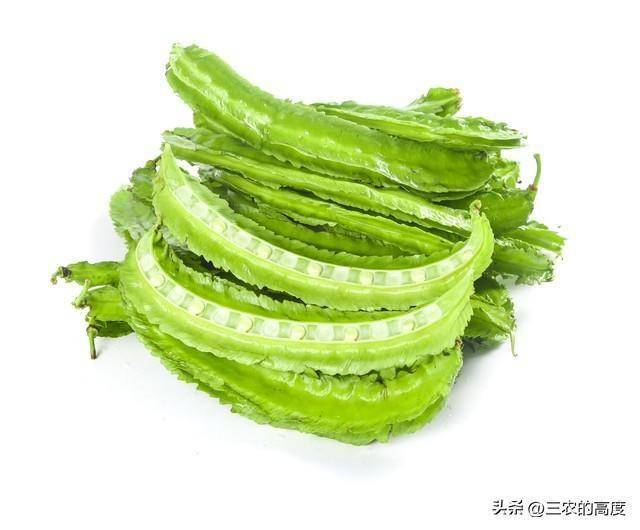
5. Measures to combat the problem of soybeans: the problem of soybeans and soybeans is more widespread, and the larvae extracts soybean grains and causes flowers to fall. In order to combat the soybeans, a black light can be set up in the fields to trap the insects and one per acre. In the meantime, the fields should be cleared, the leaves and bean bean beams should be removed in a timely manner and the field infestation should be reduced. Spray treatment begins at the beginning of flowering or in the current period. For every 10 days of ablaze and flowering, 52. 25% of agro-laden cream is available at 2500-3000 times, or more than 10% of the emulsants, 3% of the mobirão emulsifiable concentrate, 5% of the caramel cream 1500-2000 times。
In light of the above, today's day, when the bean is grown, it is necessary to be fully aware of the reproductive characteristics of the bean, taking into account local climatic characteristics, choosing suitable varieties to sow it at a suitable time, and strengthening cultivation management, so that the bean can grow a lot of flowers, and the bean can be filled with branches。
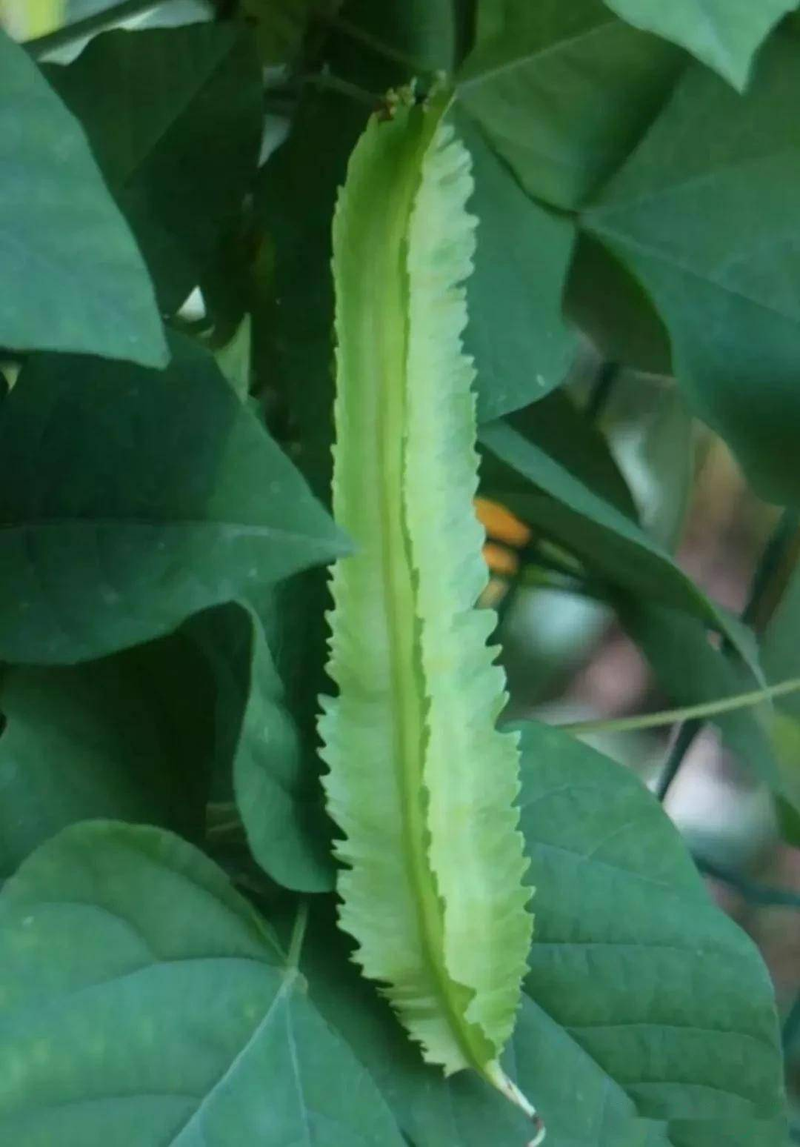
It is important to know that the young leaves of the prunes are not only of high protein content and low fibres, but also digestive and richer than the old leaves. So when the quadrant plant thrives, 20 cm of the top leaves can be taken for consumption, and delicious. The green, soft and green bean is the best, good food and the highest value added for the economy。
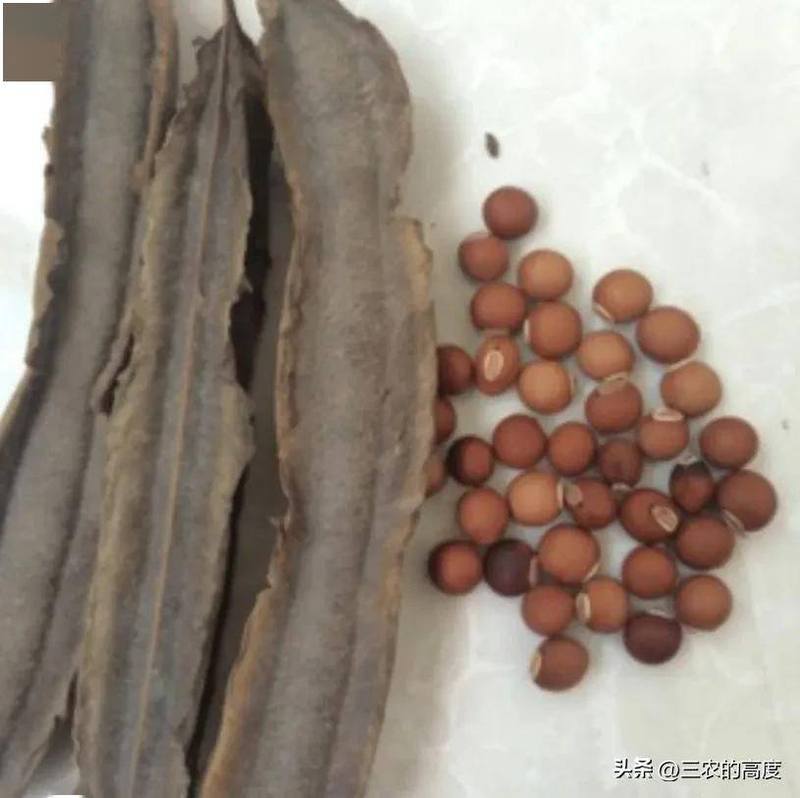
Seeds of bean are usually matured about a month and a half after flowering, and can be harvested when the bean is brown and essentially dry. The seeds are the best in the medium term, and they are the most abundant, full and well-formed seed. When the maggot matures, the acupuncture has characteristics that are easily detachable from crack seed particles, so it is necessary to harvest in a timely manner。
The prisms planted in our northern part of the country can be dug out before the frost, can be eaten or planted in greenhouses, and will be set in the field for the next year, otherwise the subsurface roots will be frozen. In areas of the south where winter is warm and the soil is not frozen, the roots of the ground can be collected over and over and over again, or they can be unearthed until they continue to grow in the following year。
A lot of learning