The activation mechanism is based on the use of resistance within the engine to control speed rather than relying on traditional brake systems. This technology is very practical in responding to specific road and travel conditions。
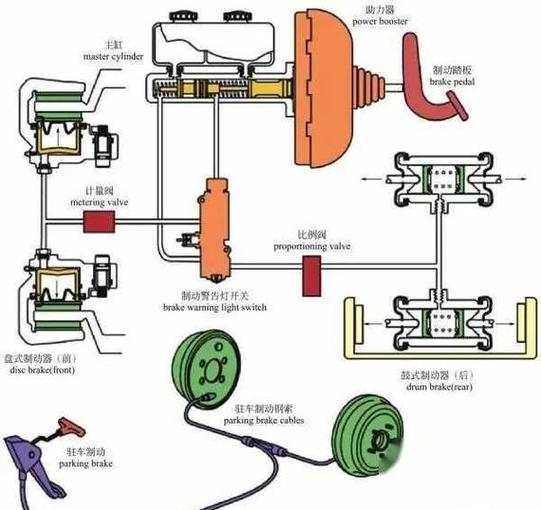
In the first instance, when skimming surfaces, such as slag oil, mud and ice, should be driven to the greatest extent possible, not only by the flexible use of stationary brakes, but also by reducing reliance on foot brakes. In cases where foot brakes are necessary, intermittent brakes should be used in order to avoid one foot being stomped and leading to a slide on the side of the vehicle。
Secondly, in the face of steep terrain, such as long slopes or rugged mountains, the activation of mechanisms is particularly important. It helps drivers control speeds and prevents brakes from being overheated for long periods of time, leading to reduced or even ineffective brake performance. In such cases, the driver should stop and rest in due course so that brakes and brakes are adequately cooled。

The choice of the right place is equally critical when using the activation mechanism. Drivers are required to adjust the block to the road conditions and vehicle load to ensure that the speed is moderate. Too low a block leads to excessive speed, while too high a block leads to frequent interference by wheel brakes, affecting the brake effect。
It is worth noting that if the engine does not have a special device, the engine should not be shut down when using the activation mechanism. The end of the fire raises a number of problems, such as the fact that gasoline coagulates on the walls of the cylinders, dilutes oil, reduces lubrication efficiency and accelerates engine wear and tear; at the same time, gasoline coagulates in the vents and silencers, which may lead to “artillery” and damage to vehicles when they are re-fired。

This technology is particularly important when drivers are able to exercise safer and more effective control over vehicle movements through the rational use of start-up mechanisms, especially in complex road conditions。