


Hey, folks! We all know that typhoons are nature's "david king" and they're always messing up our agricultural production. Especially our old banana growers, the one after the typhoon. But don't panic. We can't lose our heads after this. We have to move quickly to minimize the damage. Today, my senior farmer came to talk to people about how to get back to production after a banana typhoon。
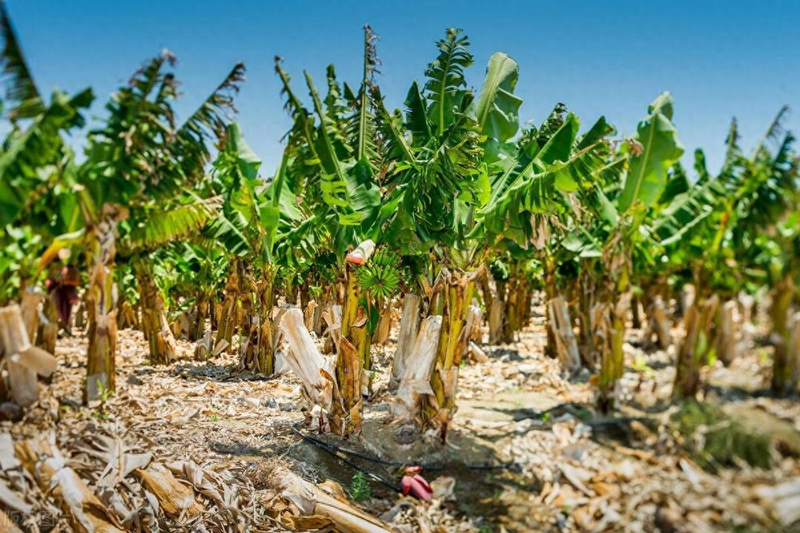
The typhoon to banana: "the bad mind."
As soon as the typhoon came, the storm came to us like a deal. It's too dangerous. First of all, the strong wind, the good guy, broke the banana plant. Especially those unsophisticated banana trees whose little body is fragile, the wind breaks. This is a serious setback for banana production during the year, as well as for subsequent growth and harvests。
Besides, there's a storm, and it's like it's going to cost money. Banana gardens accumulate water, and the roots of bananas are in the water for long periods of time, which are characterized by lack of oxygen and decay. The roots are broken, the banana trees cannot absorb the moisture and nutrients properly, and slowly weaken and die badly。
And there may also be a devastating blow to the banana plantations by the storm, which could also bring with it the frightening geological disasters of mudflows. And the storm cuts the banana leaves, which are so small that bananas can't co-operate and grow and grow。
Ii. After a disaster, we have to check and clean
Disaster assessment: in the aftermath of the typhoon, we need to get a full “medical check-up” to the banana garden. You'll have to take a closer look at the banana plant, see how much it's broken, how bad it is, how much leaves have fallen. At the same time, it should not be forgotten that the infrastructure of orchards, such as irrigation facilities and drainage systems, has been destroyed. We've got the bottom line, so we can make a solid plan for the recovery。
Cleaning of orchards: cleaning of orchards is an important step towards disaster recovery. Banana plantations and leaves that were broken by typhoons were cleared first. These broken leaves remain in orchards, not only affecting ventilation and light, but also tend to attract pests and diseases. If the banana plant is broken badly and the stem is a little connected, try to fix it with a rope or a stretcher, which could save life. If it's completely broken, and it's hopeless, clean up and leave the other plants alone. In addition, the groceries and garbage in orchards have to be cleaned and cleaned up. If the orchard is destroyed by a mudslide, clean up the mud and stones and restore it to its original condition。
Three, the infrastructure needs to be repaired
Rehabilitation of drainage systems: the stormy rain caused by typhoons can easily allow banana plantations to accumulate water, so repairing drainage systems is key. Check the drains and clear them if they're blocked. Bad drains and ditches have to be repaired or replaced. When repaired, drainage channels can be dug deeper and drainage capacity enhanced, so that floods will not be easily repeated。
Rehabilitation of irrigation facilities: if irrigation facilities in orchards were damaged by typhoons, they would have to be repaired quickly. See if the irrigation pipes are broken, if the nozzle is broken, change or fix it. The irrigation facilities will be repaired, bananas will be able to drink water in time after the disaster and grow quickly。
(b) protection: banana gardens with protective facilities, such as wind forest and safety nets, need to check for damage. If the wind forest is blown down or broken, it must be replanted or repaired. The safety net is broken and has to be changed so that the orchard can be more resistant to wind。
Four, take good care of our banana plant
Helping and fixing: the banana plant that was crushed by the typhoon needs to be put right. Watch your step and don't hurt your roots. Fix it with a rope or a stretcher before it falls again. If it's not so bad, you can put some water on it and get the roots back to growth. If it's bad, it'll have to cut it off, and then it'll have to be treated with a root agent, so it'll grow a new root。
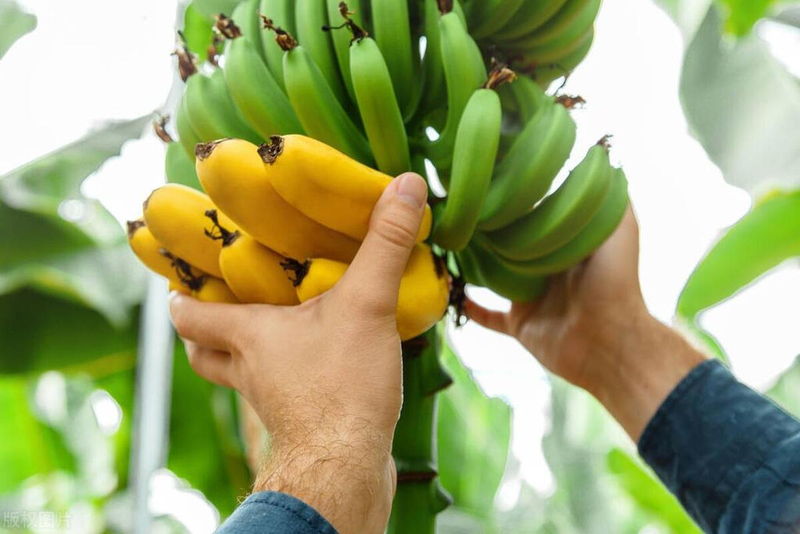
Cutting leaves: after the typhoon, banana leaves must have been badly injured. The wounded leaves must be cut off quickly so that the plant can be ventilated and lighted. Broken leaves are cut off from the base, so that they don't rot in there and affect plant growth. Cutting the leaves would also reduce the evaporation of the plant, which would be beneficial for recovery. You can cut with sharp scissors. Don't do that to the plant again。
Fertilizing and watering: after the disaster, banana plants need to be replenished with nutrients and moisture. If fertilized, it can be dominated by quick-impact nitrogen and potassium fertilizer, with additional phosphorus fertilizer. But we need to pay attention to the weight of fertilizer, so don't do too much to hurt the plant. Water must be watered, not too much, not too much. There is a lack of oxygen in water, and water is scarce and does not meet the demand for plant growth. Water can be poured according to soil moisture, so that the soil is wet but cannot accumulate。
Pest control: after the typhoon, the resistance of banana plantations is weak and vulnerable to pests and pests. That's why we need to strengthen pest control. First, clean up the pests in the orchard, like leaves, fruit, worms. Appropriate pesticides are then selected for treatment depending on the pest. When using pesticides, strict instructions are required so that pesticide residues do not harm the environment and ourselves。
V. After the disaster, we have to care about our little mind
The typhoon not only cost us the money to grow the bananas, it also made us feel bad. So we have to care about our mental health when we get back to production. Training and lectures could be organized, and experts could come to us about the techniques and methods of disaster recovery production, so that we can have a bottom line and so that we can build confidence. The government and the relevant agencies can also help us with some economic support and policy support. Our old banana growers can communicate with each other, encourage each other, share experiences and ideas, face difficulties and rebuild our good homes。
Vi. To fuel the future of the banana industry together
The recovery of the banana typhoon is indeed a difficult and complex task, but if we all work together and take sound technical measures and act positively, we will be able to minimize the damage and restore the banana plantations as soon as possible。
In future agricultural production, we can pay more attention to disaster prevention and mitigation. The infrastructure of orchards could be strengthened to make banana trees more wind-resistant and rationally planned, which would reduce the impact of typhoons on the banana industry。
We believe that, if we work together, we can overcome the typhoon. Our banana industry will definitely regenerate, our banana growers will grow and our agriculture will grow better。
Anyway, we can't be scared of difficulties after the typhoon. We need to be confident and actively taking measures to restore production. Together, we fight for the future of our banana industry! We don't believe it. With so many of us working together, can the typhoon beat us? We're gonna make our banana garden look good again, and we're gonna get our day together。



