


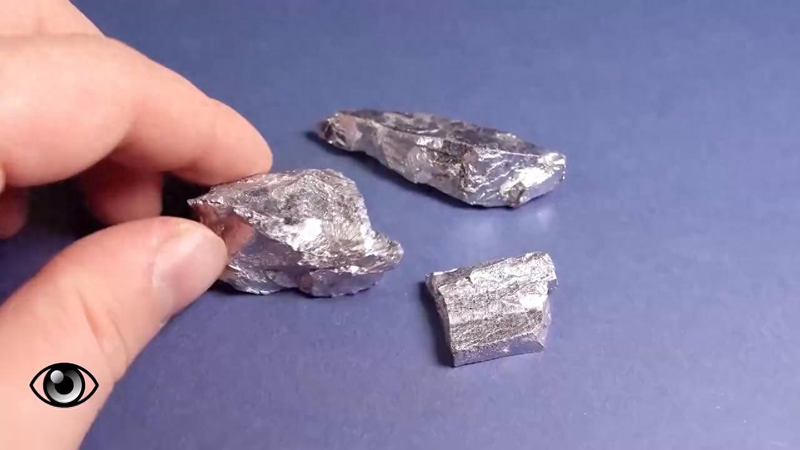
Today we are going to introduce the hardest metallic chromium on earth, which is located here on the periodic table of the elements, behind the zirconium. Chromium is the strongest of all metals, reaching 9 degrees hard, after 10 in diamonds. Chromium is a silver and white metal that is virtually non-oxidated in air. The hardness of the chromium is quite high and can easily scratch ordinary silicate glass. I think the hardness of chromium depends heavily on its purity。
Industrial production of metallic chromium is generally based on metallic thermal reduction and electrolysis, and chromium iron alloys are usually used to produce stainless steel. Now look at the chemical properties of the chromium, the name of the chromium comes from the word "colour" in greek, because the chromium compound has almost all the colours of the rainbow。
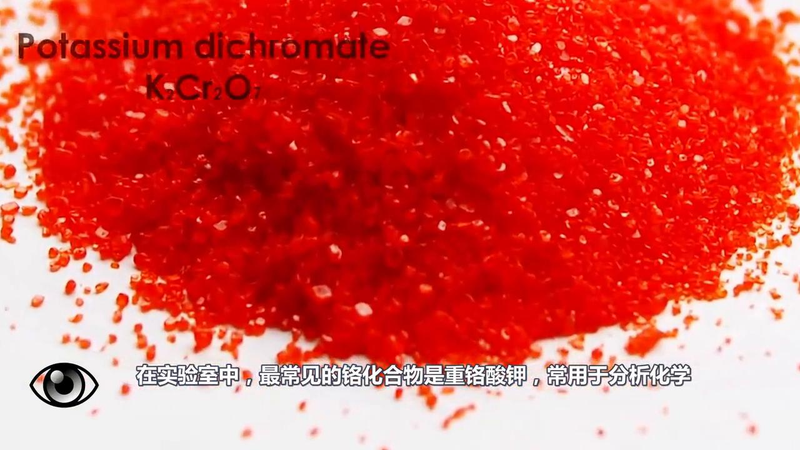
The most common chromium compound in the laboratory is potassium chromium acid, which is often used for chemical analysis. It is a powerful oxidizer used to clean the persistent stains of chemicals and an intermediate to extract pure chromium metal from ore. If potassium heavy chromiumate is mixed with any reduction agent, such as combustion with aluminium powder, a very violent reaction can be observed and particles of metal chromium produced。
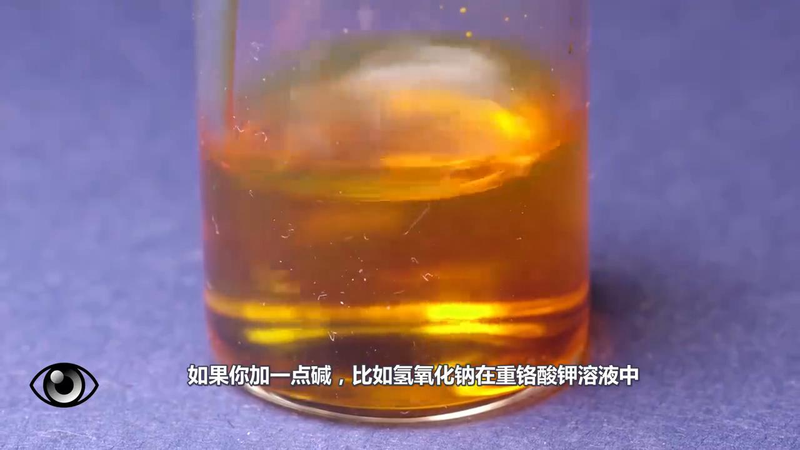
Potassium chromium acid is soluble in water and chromium is +6 oxidized in this compound. If a bit of alkali is added, such as sodium hydroxide in the potassium chromite solution, the chromic acid becomes chromic acid in the alkaline environment and the solution colour becomes yellow or orange depending on the environmental acidity。
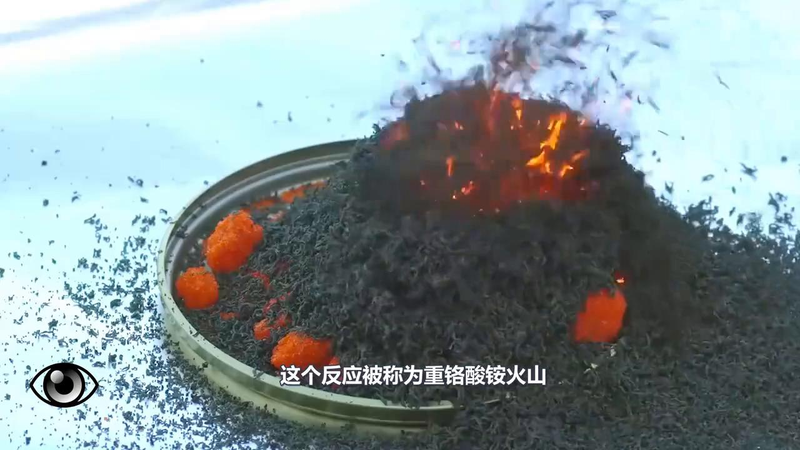
Another chromium compound, orange ammonium chromate, where chromium is also oxidized at +6. Lighting this orange powder, it can be seen decomposition, and the constant eruption of chromium oxidation in deep green particles, like volcanoes, is known as ammonium chromate。
The reaction-generated chromium oxides are ceramics, man-made tectonics, colouring agents for building materials, catalysts for organic chemical synthesis, sun-resistant paints, grinding materials, and even special ink for printing paper notes. In a bottle filled with ammonia, some red-heated chromium oxide is added, which normally does not react to ammonia and oxygen, but chromium oxide is a catalyst for ammonia oxidation and can produce a dazzling effect。
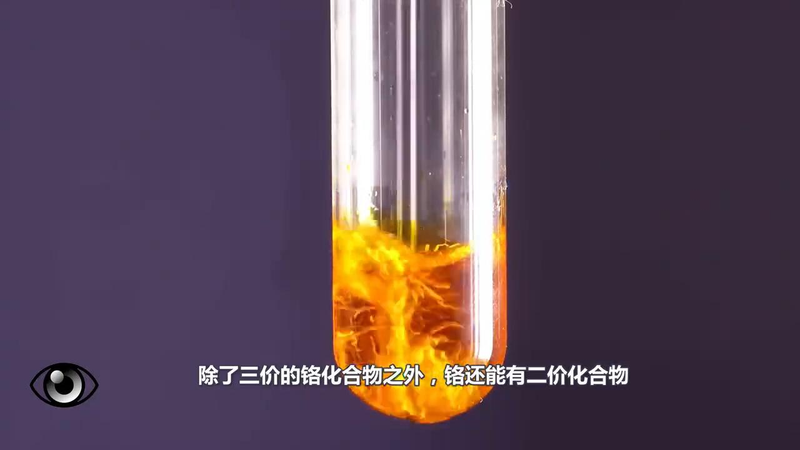
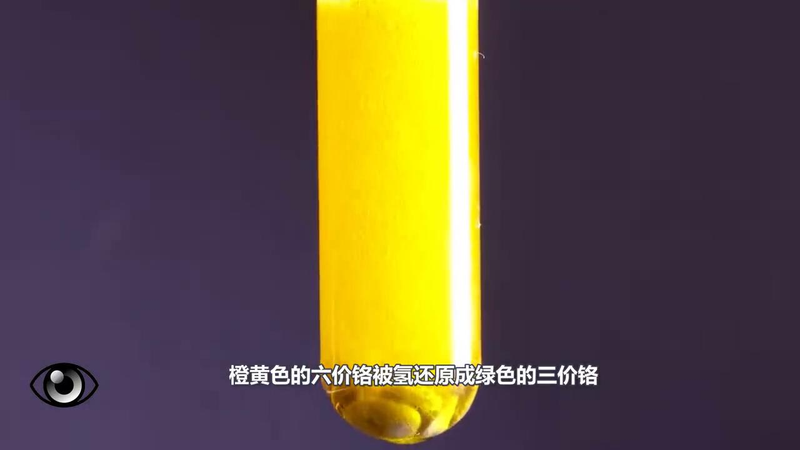
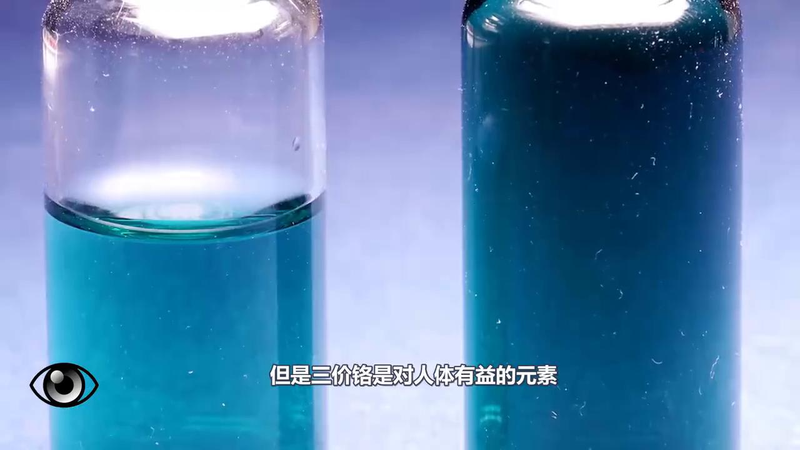
In addition to the trivalent chromium compound, chromium can also have a divalent compound. Add potassium hydrochloric acid and heavy chromiumate to a test tube, followed by a few zinc metal particles. Orange chromium hexavalent chromium is reduced by hydrogen to green trivalent chromium, which continues to be reduced to blue chromium. Here you can see the color of the chromium compound solution at different prices。
See then another experiment to add ether to the potassium chromium acid solution, which has a low density of potassium chromiumate, so it is present in the upper layers of the solution. A small amount of sulphuric acid is added to the mixture and a few drops of hydrogen peroxide solution is added. The reaction following the addition of hydrogen peroxide is interesting, as potassium chromium acid and hydrogen peroxide react to unstable compounds in the acidic environment when chromium peroxide becomes darker, and the resulting peroxide chromium is stable and blue in the ether and constantly produces hydrogen gas。
I don't remember the three colors similar to the flag color of which country, but it looks good anyway. It is worth noting that hexavalent chromium compounds are toxic and need to be safe during these experiments. However, trivalent chromium is a human-friendly element, and chromium trivalent is a component of glucose tolerance and plays an important role in regulating sugar metabolism and maintaining normal internal tolerance。
The starch that people eat can be broken down into glucose, and the sugar metabolism that is done with the combined effect of insulin and trivalent chromium. The largest application of metallic chromium is the manufacture of stainless steel, with 15-30 per cent of chromium added to the steel, which forms metal-covered oxidation membrane on the surface of stainless steel, and is effective in increasing steel resistance to oxidation and corrosion。
Now we know that chromium is the most hard metal and that it also possesses various colour compounds. If you want to know more interesting chemical elements, pay attention to me。



