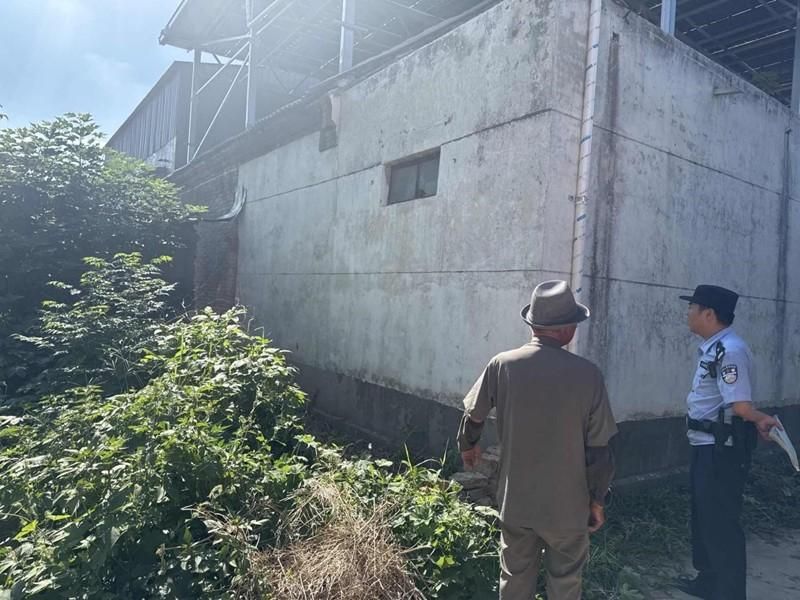
A few days ago, a popular video of the internet attracted a complication — fat meat in the vinegar altar of the ancient vinegar factory, and the jealous uncle tore off a piece and tasted it。
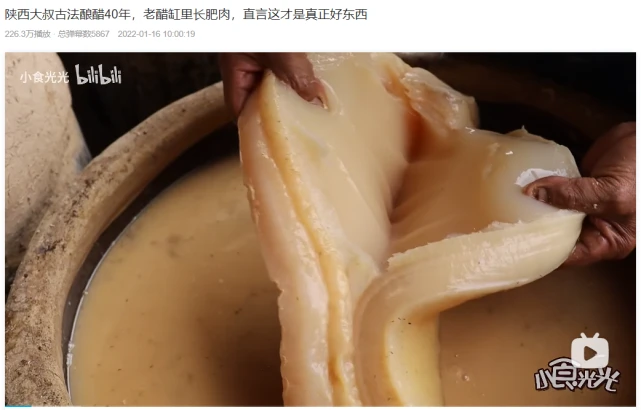
However, it was not clear what it was in the final video, but it was just a chemical teacher who said it was a "fat crystal" and how so much fat was in the vinegar tank
The commentary was mixed, and there was no explanation, but some leads were provided. As a result, the young editor decided to make his own "webview."。
It turns out that the word "poaching" is not a strange thing, and it is common in the vinegar workshops in shaanxi and shanxi. They call this jealous piece of “meal” a “sorture”, a moth, and make it into a special diet of a kind of cool powder and skin。
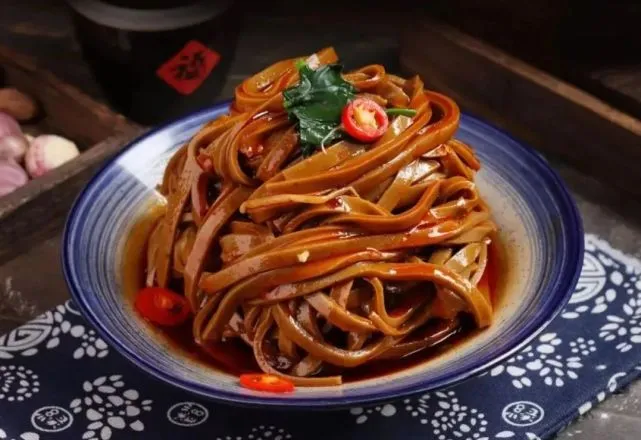
A little vinegar powder made of vinegar residues mixed with flour
It has also been recorded in the ancient agronomy book zimin's order: “... The garmentman, stop moving, wriggle and become envious for decades”, in which the word “clothes” refers to vinegar treasure. Outside, it is called the “mother of vinegar”。
There are also a lot of internet users who find that they have something similar in their vinegar and wonder if they can ask questions online:
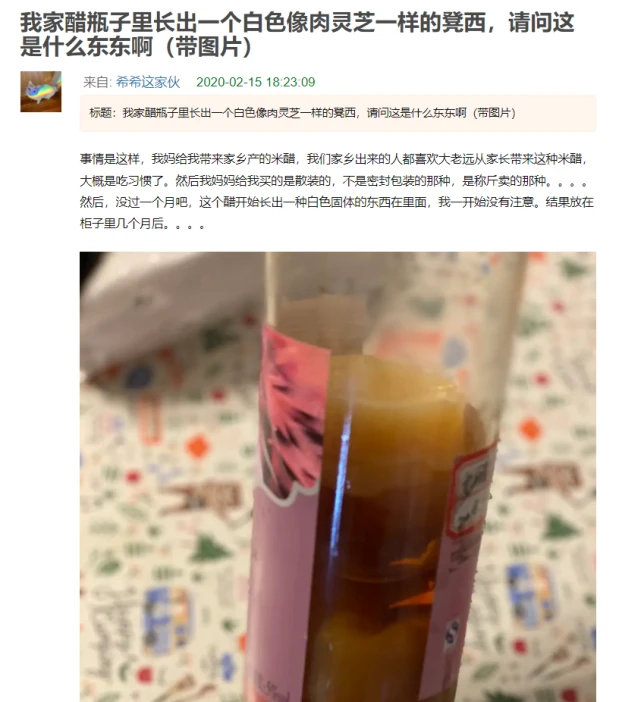
Like the above-mentioned netizens, who saw this piece of meat, many of them thought of the "chicken of the flesh" that came out of the field of coming to science and calling it too old, and they occasionally appeared in ponds and swamps。
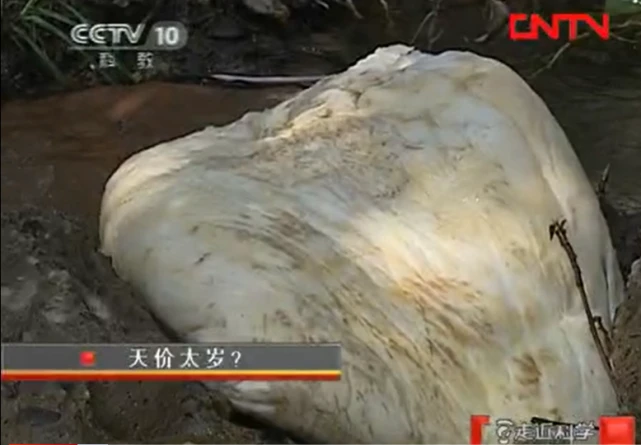
Too old is essentially a fungus, a collection of mucus, bacteria and fungi, and their metabolites, which, due to their complexity, are not recommended for consumption or medication。
Although it seems to be a “mature formulation”, the jell-o looks much more “simple”, more like jell-o。
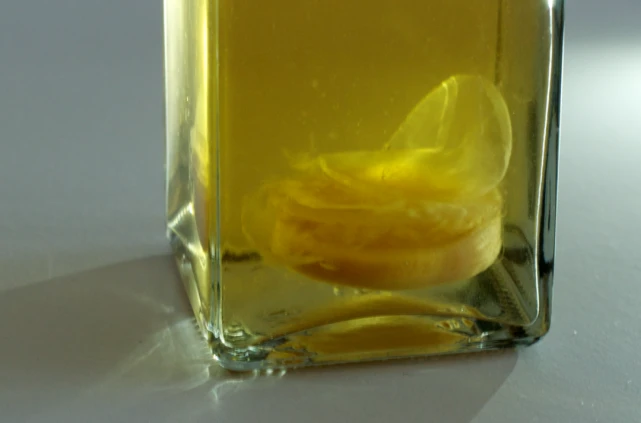
The jealousy
But the answer is close. Jealousy is a fungus, made up of bacteria and their metabolites. Is it vinegar that has been contaminated with bacteria? How can i eat that
These bacteria are not harmful fungus, they are called “precipitous fungi”, which is very useful to humans. Without them, vinegar would never come out. After all, it's not like a fungus can take it。
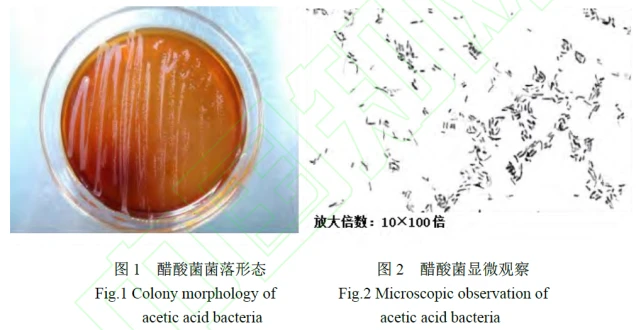
Source: zhang 9-yu et al. Optimizing conditions in the production process of the fungus acetate. Packaging project, 2021
It's like yogurt, which is the core bone of vinegar. Sugar in food or fruit is fermented into alcohol, and the acetacin can turn alcohol (ethanol) into acetic acid (acetic acid), which is the basic ingredient of vinegar, as we usually eat。
In addition to the main business of drying out vinegar, the accelerosis has a side business — metabolism produces sugary by-products. They consume nutrients such as glucose and fruit sugar in vinegar tanks and convert them into sugary (composed of many single sugar molecules)。
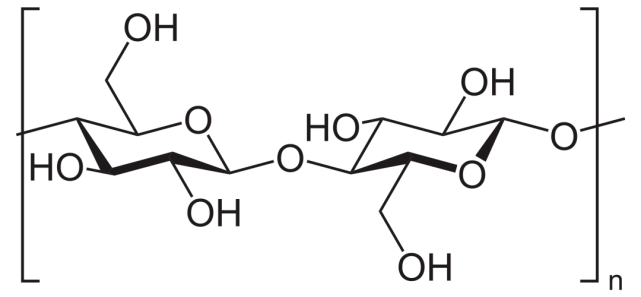
Cellulose is a sugary, long chain structure of many glucose molecules
Some of these sweets are soluble in vinegar, others are soluble. Insoluble multiple sugars, such as bacterial cell walls adhesive to the acetate fungus, are woven into a layer of membrane membrane with cell fragmentation。
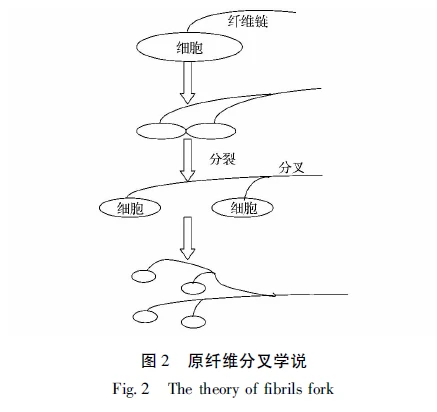
A theory of cellulose membrane formation
Wei wei wei wei wei wei wei wei wei wei wei wei wei wei wei wei wei wei wei wei wei wei wei wei wei wei wei wei wei wei wei wei wei wei wei wei wei wei wei wei wei wei wei wei wei wei wei wei wei wei wei wei
When the fungal membranes reach a certain weight and sink, they form a new membrane on them, which eventually accumulates into a stratification of “meat”。
It's not like you're pregnant
There are two types of fungal membranes: one consisting of the same single sugar molecule, such as bacterial cellulose and polymal sugar, which consists of multiple glucose molecules, and the other consisting of two to eight single sugar molecules。
The membrane properties of different strains are also different. For example, the common acetobacter acti is a loosely formed membrane, which is like fat; and the cosmopolitan fungus komagataeibacter xylinus, which is dense。
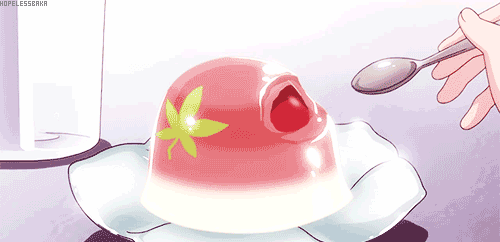
Then why is the vinegar on the market so long that it doesn't produce a membranes
Not all vinegars produce membranes. This depends on the bacterial species of the acetate, on the one hand, and on the environmental conditions of culture, on the other。
Scientists give birth to existing acetate bacteria that are smooth and, in some cases, rough, and then divide them into s and r (corresponding to “smooth” and “rough”). The first doesn't form a membrane, the second does。
Both types of fungus produce sugar, but rs produce insoluble sugar, and in sedentary culture fluids, rs produce more than six times more sugar than s, which is enough to accumulate into membranes。
Some of the previously non-membracing fungs can also mutate “film force” during fermentation from generation to generation, from a small, transparent transformation of the “film wizard”。
In order for the fungus to have a membrane effect, it is necessary to provide them with sweet foods, such as sugar cane, glucose and sugar, which are digestive. The researchers found that vinegar, almond vinegar, etc., have extremely fertilizing surfaces. An appropriate amount of organic acid (e. G., apple acid, lactate), ethanol (alcohol) and protein platinum can also contribute to membrane growth。
Cultivation fluids are in place and suitable conditions are required: 28-30°c warm environment, 4-7% acid ph, and sufficient oxygen. The growth of the fungular membrane is inhibited by excessive levels of acetic acid and high levels of acid cultivation。
It's too acidic to give sugar
However, even if the vinegar you buy meets these conditions, it does not necessarily produce a membrane. Because industrially produced vinegar is food-safe, before leaving the factory, it will be disinfected by paste, killing bacteria, including bacillus acetic acid。
When bought home, the fungus produced are usually made out of popular or self-made vinegar. These vinegars may also contain living fungus and unfermented sugar, and if the environment is right, the fungus acetate begins to use membranes。
The film itself can be eaten and does not pollute vinegar (e. G., if it is not a contaminant, it is not recommended for consumption)。
The vinegar brewing industry has an aversion to membranes. On the one hand, the amphibious fungs are concentrated into membranes, which are strong in solidarity, inhibiting the growth of other fungs; by-products such as glucose acid are also produced in the production of the fungs, which improves the taste of vinegar. On the other hand, the combination of acetic acid and sugar is not possible and the fungs produced by acetic anhydride are subject to additional consumption of sugar (carbon sources) and proteins (nitrogen sources), which reduces the production of acetic acid。
But for the food industry as a whole, the fungus membranes of acetic acid, which have been integrated into our daily recipes, are good。
Coconut | source: wahid, f., & zhong, c. (2021)
It colours bacterial cellulose membranes with red aroma and can also be modelled like taro into meat or seafood, i. E. “sin”。
Bacteria cellulose man-made meat
A beverage called the “chamber fungus” (also known as the “kampu tea”) also produces membranes containing fungi (mainly woody acetate), yeast and lactose and their metabolites, the main component of which is bacterial cellulose。
It's a fungus membrane
Bacteria cellulose, like plant cellulose, can't be digested by humans, so we're out。
More often, bacterial cellulose enters our stomachs as food additives. Having eaten coconuts, bacterial cellulose is a finely lubricated gel that keeps water well. It is thus used as a stabilizer, a denser, emulsifier, etc., added to ice cream, jelly, beverages and various forms of cake。
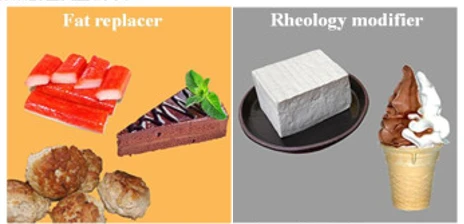
Source: wahid, f., & zhong, c. (2021)
Bacteria cellulose is also potential for environmentally friendly food packaging material, which is, after all, susceptible to degradation. Some sausages use bacterial cellulose and polyulsic acid complexes, which are more resistant than traditional animal intestines。
What? How can a man eat bacteria
No, it's called science using film。