


Cultivation of prunes, three fatties, all sprouts and flowers. Okay
# when spring tilling #
The algae are rich in fat and food fibres, and because they are rich in proteins, vitamins and minerals, known as “green gold”, their nutritional value is extremely high. As new prices in vegetables, planting benefits are usually higher. However, in the process of planting, there will be infested seedlings, weak seedlings, and a bad situation in which growing plants are strong and growing。
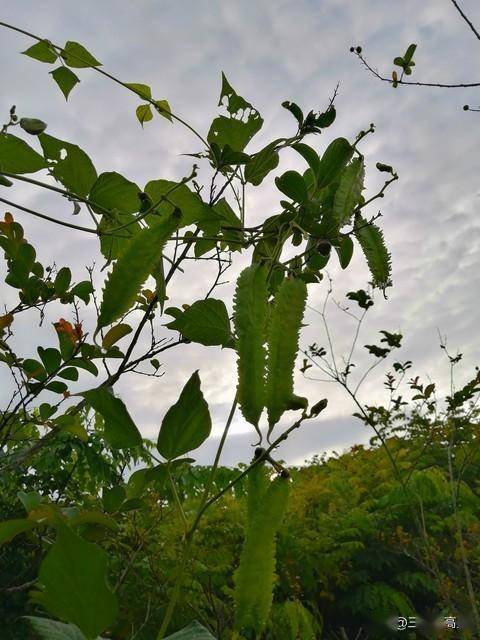
How, then, is it possible to sow fast, fast and strong in the planting of prism? How do we get the prunes to grow? With this water-watering technique and three times fatter, it will be possible to contribute better to the production of prunes and to the purpose of cultivation. Specifically:
Knowledge of watering techniques
The prisms are warm and wet weather conditions that are resistant to drought and to water accumulation. Because drought and water accumulation are not conducive to the normal development of nitrogen-fixing bacteria and roots. Drought in flowering times can cause flowers to fall。
In accordance with the fertility characteristics of drought-resistant and flood-resistant bean, in the management of moisture, it is necessary to keep the soil humid over the long term to meet the demands for moisture arising from the growth of the leaves, the rise of flowers and large roots. Shortages of water during periods of seedlings are slow and weak, and the lack of sufficient water during flowering periods leaves a large proportion of the flowers to fall into waste。
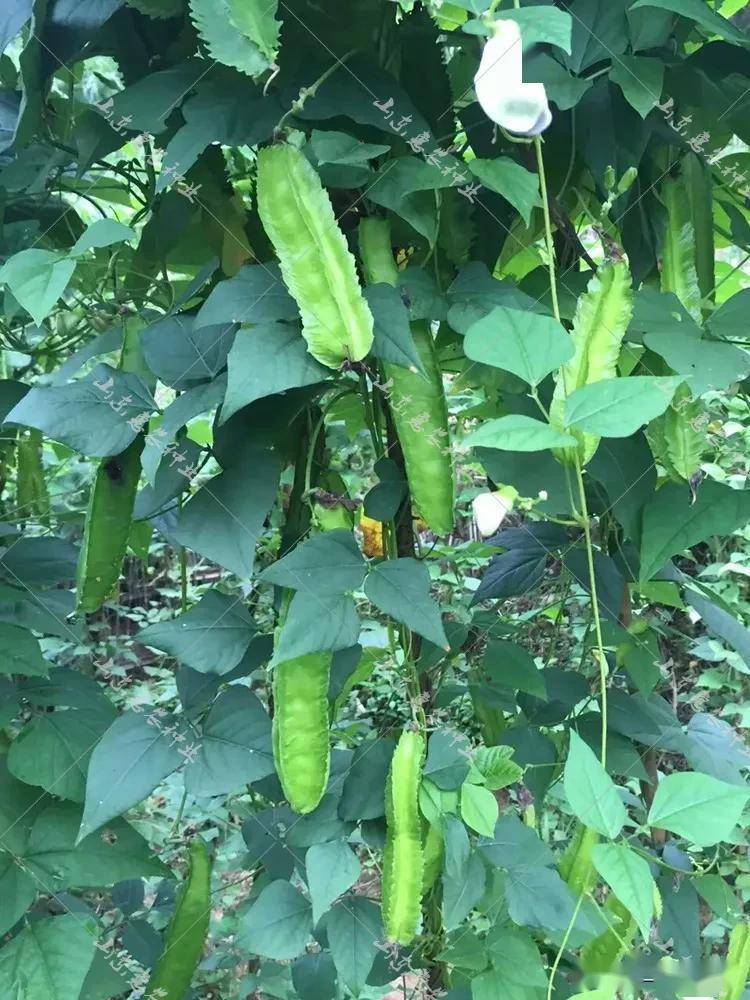
Based on the water requirements characteristics of the quadrants during the birth period, a summary of the water-watering techniques is given: seedlings require soil to be wet and waterless to meet the requirements of seedlings, if the water is prone to decay, if drought is detrimental to seedlings; seedlings also keep the soil wet, with water well-fed, to the extent that it is appropriate to meet the growth of the seedlings, and not to affect the growth of the seedlings because of excessive water fragmentation; after-embracing demand, the demand for water increases significantly and needs to be watered in a timely manner, preferably in combination with medium-cropping soil; when flowers start and root expansion take place, i. E., when they enter the reproductive cycle, they require more water, especially if the plume are growing fast, or if the plumes are not dry, they will otherwise cause large flowers due to poor development。
Thus, during the whole reproductive period of the prisms, there can be no shortage of water for drought or, of course, water for flooding. Seize these techniques in water management so that the planting of prisms does not cause problems with water。
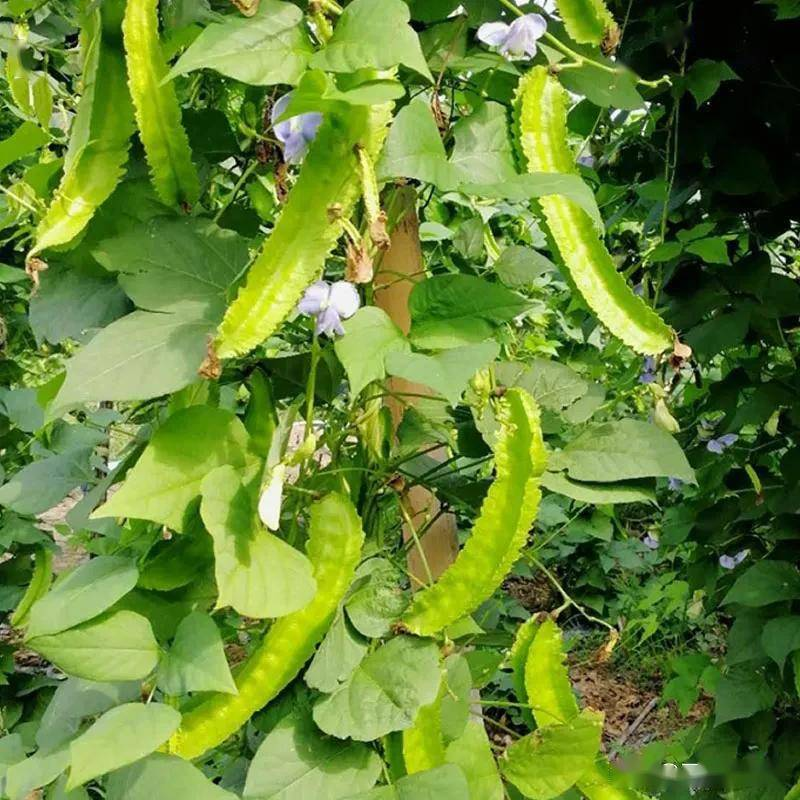
Three fats for the quadrant
It's a common saying: "the land is not sown, it's full of shit." the demand for fatty, high-quality soil and adequate fertilizer supplies is a prerequisite for high-quality production of plumes and roots。
It was determined that for every 100 kg seed grains grown, nitrous 24 kg, phosphorous quinoxide 5. 4 kg and potassium oxide 13. 54 kg. Its own nitrogen-fixing rate was 68. 1 per cent, mainly for phosphorus and potassium fertilizer. The period during which the most fattening takes place is between the beginning and the mid-term, with the absorption of 84. 4 per cent of the total nitrogen, 90 per cent of phosphorus, 60. 9 per cent of potassium, and the focus on the application of nitrogen and phosphorus fertilizer in the pre- and medium-term, with the upper and lower weight of potassium fertilizer and the addition of trace elements such as calcium, sulphur, boron and zinc, which is the key to the high-yield quality of the beams and roots。
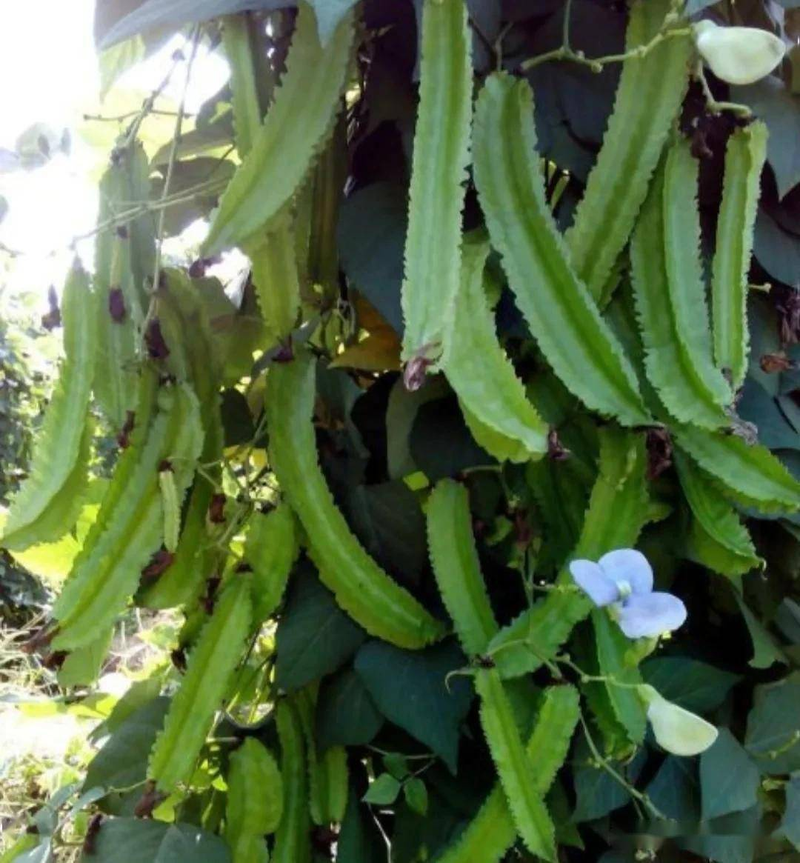
Cultivation of tri-fertilization principles: organic-based fertilizer, supported by fat chasing, and leaf spray. Re-appliance of nitrogen, phosphorus fertilizer in the front period, and appropriate later application of nitrogen and potassium fertilizer. The long-term application of nitrogen fertilizer to plant nutrients in order to prevent it from growing; the proper follow-up of phosphorus and potassium during flower seasons; and a small amount of nitrogen fertilizer to promote the reproductive growth of the quadrants, i. E., the flowering curvature. Don't be afraid of trouble. The principle is appropriate for a small number of times. Look at three fats:
For the first time, the four bean is base fat: due to its long and long life, the four bean is in need of high fertility and the need to apply sufficient base fat. Each acre is fully decomposed, shredded organic manure 2000-3000 kg, or excavated chicken dung 1000 kg, permutated calcium phosphate 20kg, potassium sulphate 5kg, and plowed to the ground. In the case of more abundant areas where precipitation is abundant, the land is levelled up and water is accumulated in the field。
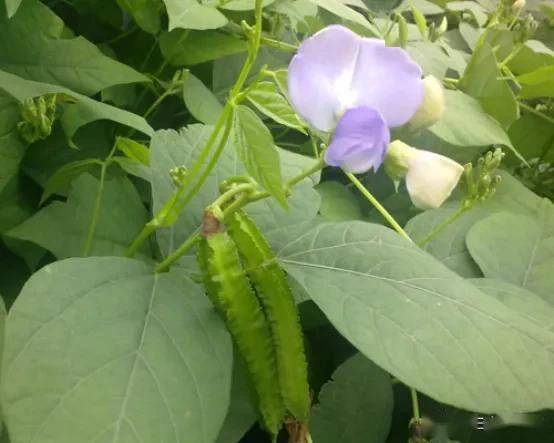
Triple bean fertilizes twice: although it is said to have a root tumor that has the capacity to fix nitrogen, a small amount of nitrogen fertilizer should be applied to meet its growth needs when root tumours are less formed. In general, 500 kg of fully decomposed chicken dung or 5 kg of urea per acre are applied; 500 kg of fully decomposed chicken dung and potassium sulphate are tracked per acre during tumour formation and active periods; 20kg of nitrous phosphorus compound is applied at 30 per cent of the acre's per acre, with no fertilisation if the leaf is sprouts, and 30kg of nitrous phosphorus compound fertilizer is applied at 15-20 days ' intervals per acre. In order to meet the need for fatty growth throughout the reproductive period, the ground has been better equipped with flowers, and the ground has grown。
The third is leaf-based fertilisation: it is important to spray leaf-based fertilizers for prisms, which can better meet their growth needs in the long term, with extra fatting. A combination of potassium phosphate and urea at concentrations of 0. 2% ~ 0. 5% after 4 p. M. Can be sprayed every 7-10 days for 5-7 days, which can better promote the flowering of the beams and improve the seating rate and the quality of the acupuncture to better serve the purpose of planting
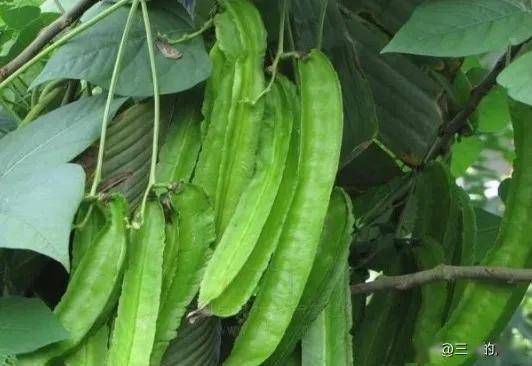
In conclusion, it is not difficult to grow prunes with water-watering skills, with three fatties, a full seedling and flowers. Messages would be welcome to share more knowledge, methods and experiences in planting and to promote agricultural production together。



